
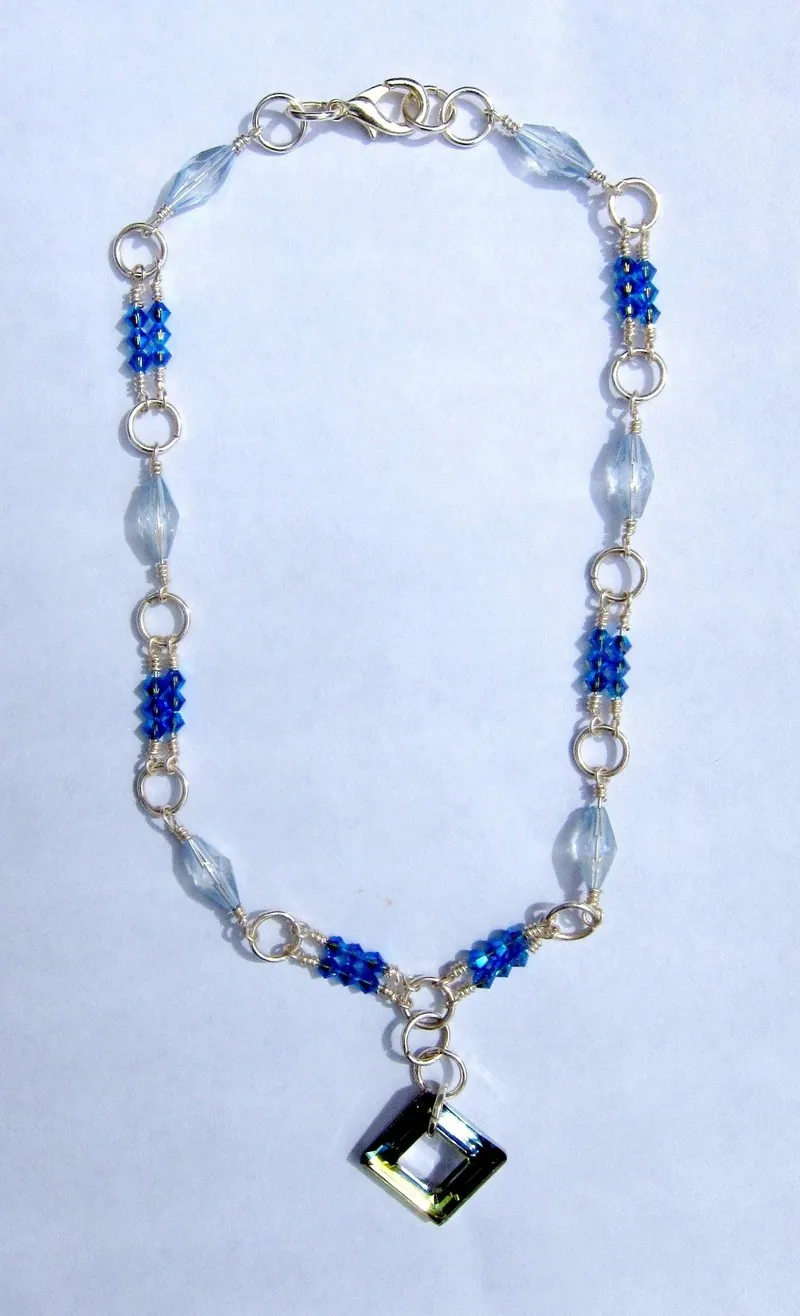
User-generated content shows a product in real homes and on real bodies: a customer's mirror photo in a dress, a short video unpacking a bag, a review photo of shoes after a month of wear. Shoppers read it as evidence because the seller did not stage it, which is why it often sits next to the product images or in the review section. Paid creator content made in the same style is often called UGC too, but it is commissioned and should be presented as such.
A public post does not give a brand the right to reuse it. Putting a customer's image on a product page or in an ad needs the creator's permission, and where another person is recognisable, often theirs as well; commissioned content should come with a written agreement on uses, period and editing. Many marketplaces require sellers to own the images they upload or to hold the rights to use them. A clear request, recorded in writing, and a credit where agreed is the usual practice.
User content rarely meets the technical rules of a gallery: the light is uneven, the background busy, the product partly hidden and the colour shifted by a phone camera. It belongs beside the product images, not in place of them, and should not be edited to look better than the original, since its value lies in being untouched. Before reuse, a check that the item shown is the current version and the right colour avoids promising something the listing no longer sells.