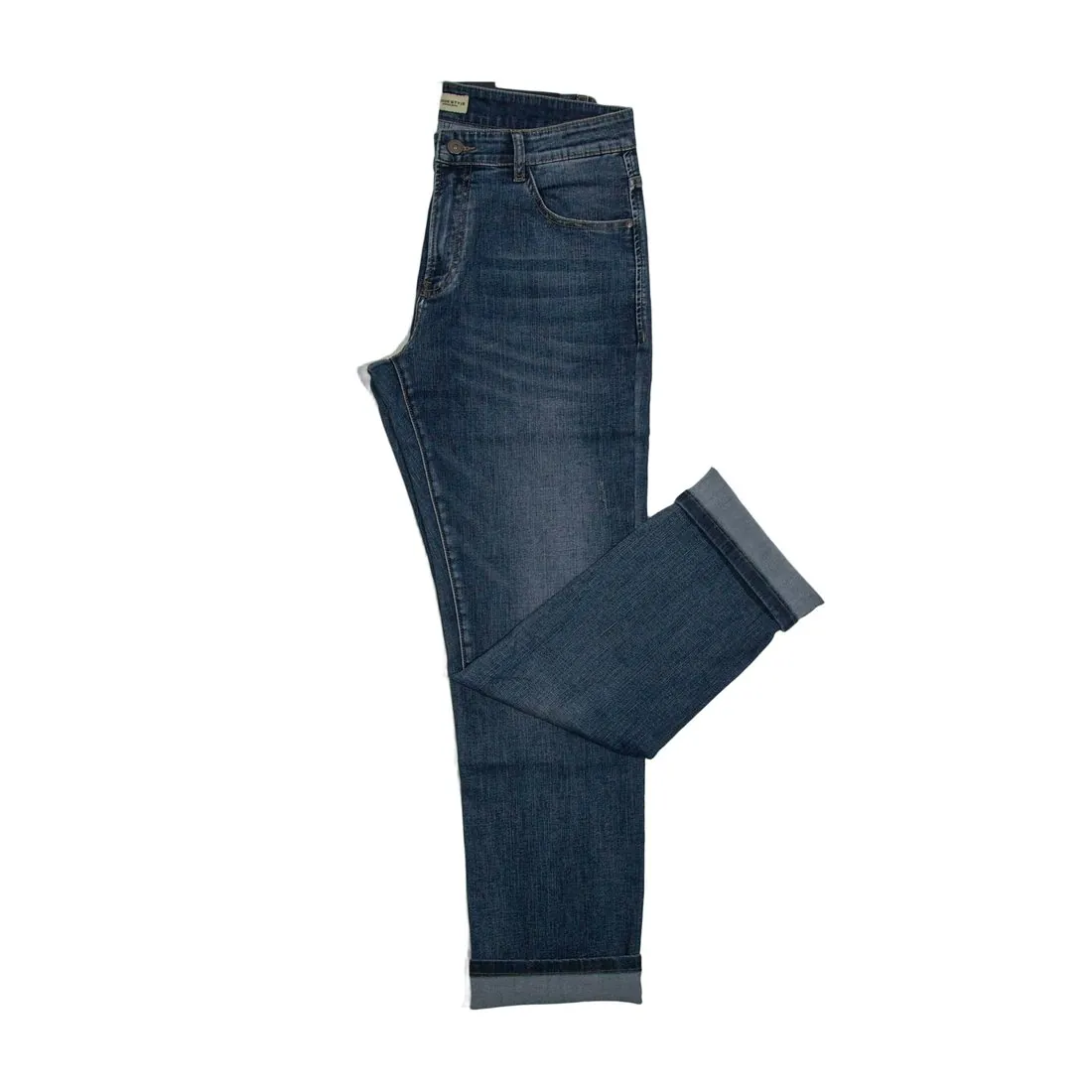
What leaves with the room and what stays on the cloth
Remove background keeps the garment as the camera recorded it and discards the surface around it, whether floorboards, a duvet or the door behind a hanger. The choice that shapes the result is the ground: transparent, white or light grey. The white and grey grounds are flat fills laid under the cut-out, and no shadow is added to them. The tool has no way to mark a part of the subject, so it cannot be told to keep a dress and drop the dress form, the mannequin or the person wearing it.
Shadows follow the same rule. The soft shadow a garment casts on a sheet or a floor belongs to the surface and generally leaves with it. A shadow that falls across the cloth, from the phone or from an arm, lies on the garment and stays. Sheer fabric raises the same point: where tulle or chiffon lets a patterned duvet show through, that pattern is inside the outline of the garment, and the tool redraws nothing there. A plain surface under sheer pieces avoids it.
Which ground suits the garment, and when to switch tools
The ground is chosen by the garment. On pure white a white shirt or an ivory dress has no outline of its own and no shadow beneath it, so only its seams, folds and buttons draw the shape. The light grey ground, or a transparent file placed on a tinted page, gives the edge of a pale garment something to stand against. Dark and strongly coloured garments read clearly on white.
Other aims belong to other tools. A garment that should look filled out and be shown without its hanger is a job for Ghost mannequin, which draws the garment again and is briefed to present the fabric smooth. One that should rest on a soft contact shadow, or on marble, wood or linen, is a job for Product studio, which lists apparel among its products and also renders it anew. Of these tools, only Remove background leaves the cloth as it was photographed.
Edges to inspect on tulle, fur, fringe and thin straps
Each fabric has an edge of its own to inspect. A tulle or chiffon hem fades into the surface in the photo, so look at whether it ends in a clean line or in a pale band of the old ground. Fur, faux fur, mohair and feather trims end in single fibres: at full size the outline should read as soft fibre, not as a hard cut or a halo. Fringe and tassels are checked strand by strand, and the gaps between the strands should show the new ground.
Narrow parts come next. Shoulder straps, drawstrings, belts and ties that lie loose on the surface are the thinnest shapes in the picture: follow each one from end to end and confirm that none stops short. A garment on a hanger is checked at the neck, where the collar meets the hook, and one on a mannequin at the neck and the arm openings. A pale garment is easier to judge as a transparent result laid over a dark page, where a rim of the old surface shows most clearly.