Language: EN
Start free

Lifestyle image

A lifestyle image is a product photo that shows the item in use or in a real setting, such as a living room, a kitchen table or a street, instead of on a plain background. It tells shoppers what a white background photo cannot: the product's size beside familiar things, how it is used and who it is for. Lifestyle images belong among the additional images of a listing, on product pages and on social media, and Herofab's Product studio places a product from a single photo into a styled scene.

With Herofab Product studio

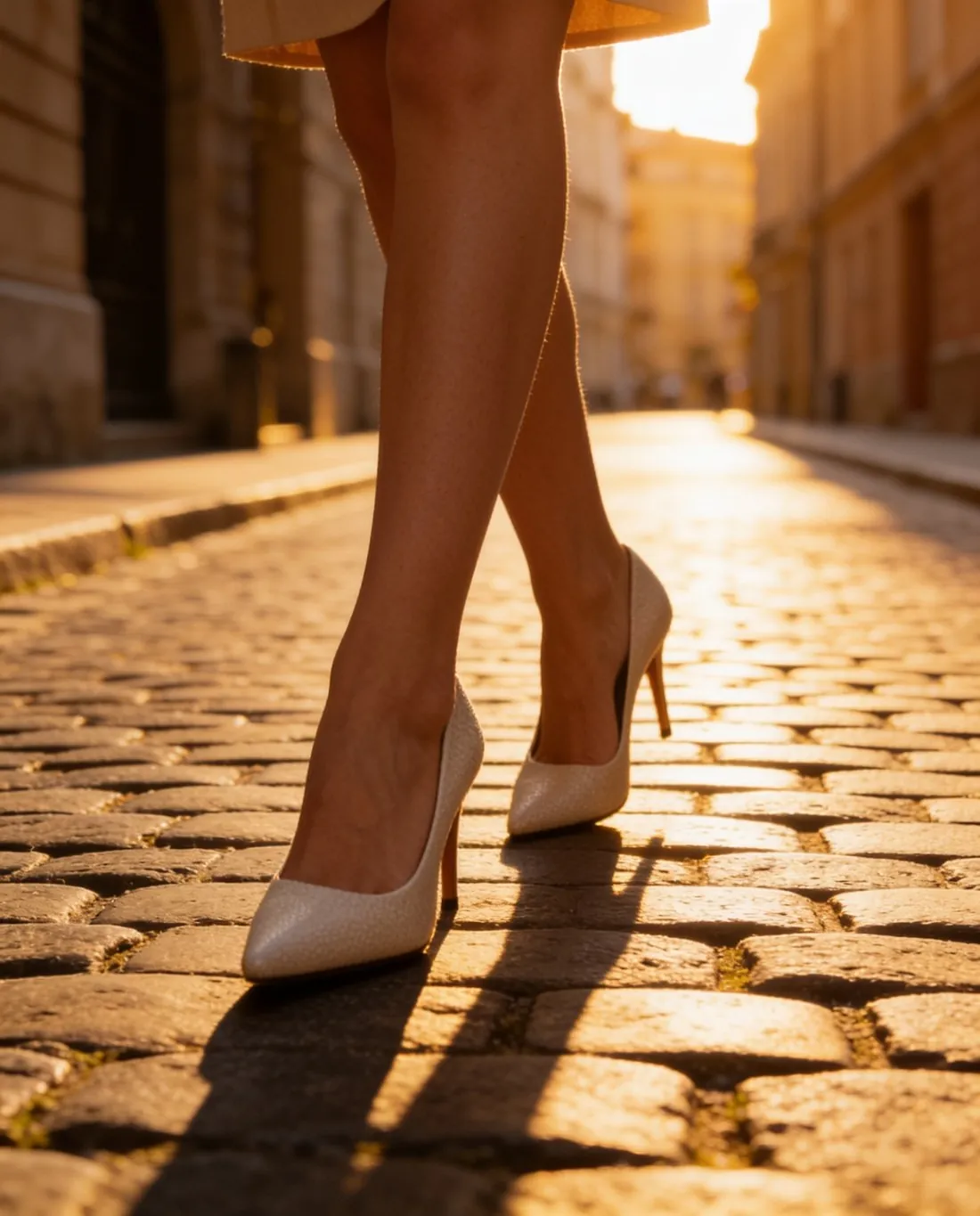
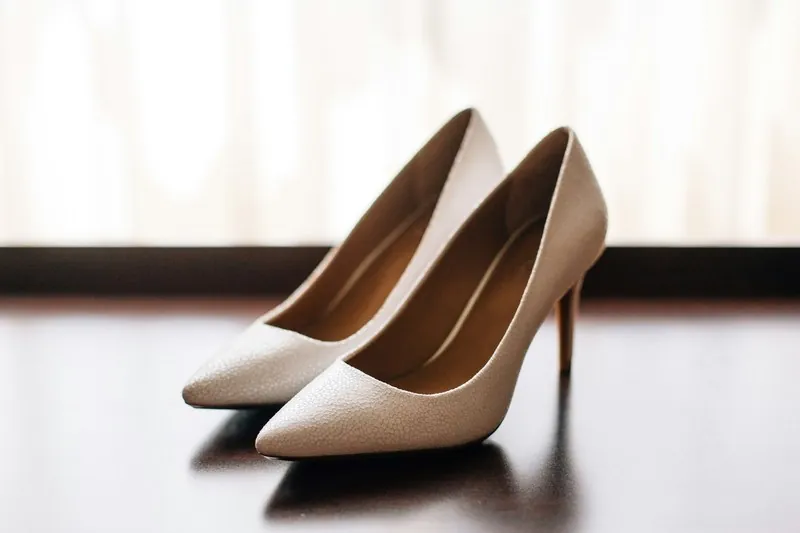
The white pumps worn on a cobblestone street at golden hour, framed from the knees down
Source photo: Plain product photo. Made with Herofab · Canvas

Lifestyle images help shoppers picture the product in their own lives; they are the usual choice for additional images and for social media.

Most marketplaces keep them out of the main image. The product photo checker does not measure fill on lifestyle photos, because there is no plain background to separate the product from.

What a lifestyle image adds

A plain product photo answers what the product is. A lifestyle image answers what it is like to own: how large it is next to familiar things, where it belongs, what it goes with and who it is for. A watch on a wrist, a lamp on a desk and a bag on a café chair each say more about scale and use than a measurement in the description.

It also sets the tone of a brand. The same bottle looks different on marble and on rough wood, and the choice of surface, light and props tells the shopper what kind of product this is before a word is read.

Where lifestyle images are used

In a listing they usually follow the plain first image, as the second or third picture. Outside the listing they do most of the work: in a brand's own shop, on category banners, in newsletters, in ads and on social feeds, where a product on white is easily passed over.

One product often needs several. A scene for a summer campaign is wrong for a winter one, and a picture composed for a wide banner does not survive a tall crop. Planning the formats before the shoot saves a second one.

What makes a lifestyle image work

The product stays the subject. It is in focus, well lit and not hidden behind props, and nothing in the scene draws the eye more than it does. Props support the use of the product and stay few, so that nobody wonders what exactly is for sale.

The colour stays true. Warm evening light, coloured walls and tinted surfaces all shift the colour of the product, which is charming in the picture and a cause of returns afterwards. A lifestyle image beside a plain, colour-accurate photo of the same product is the safe combination.
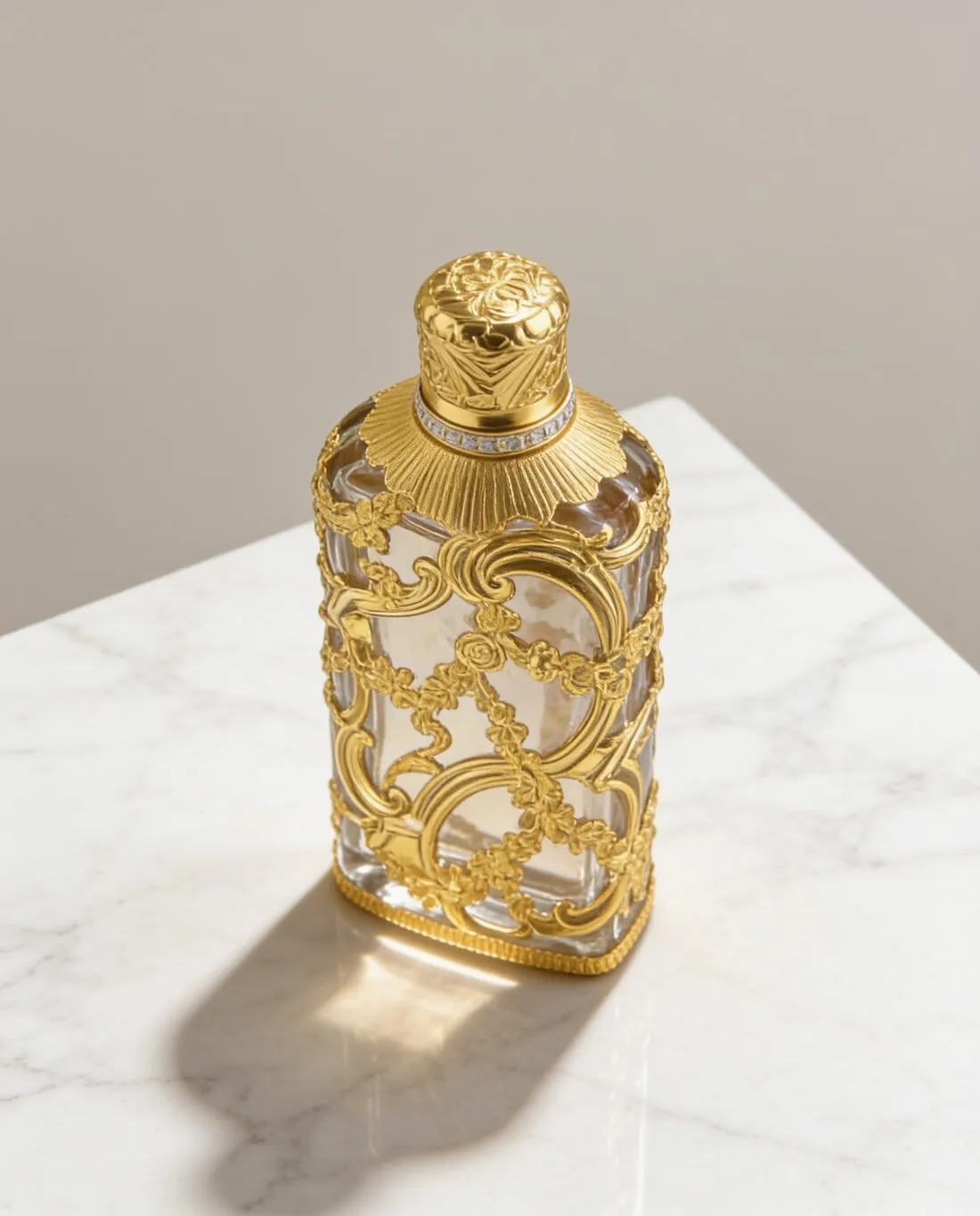
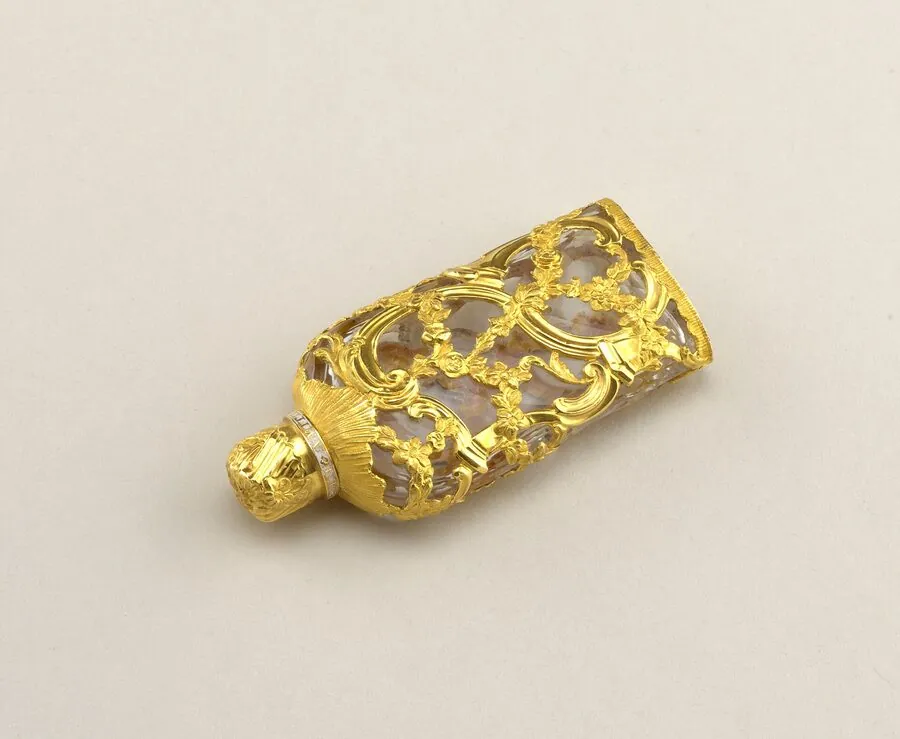
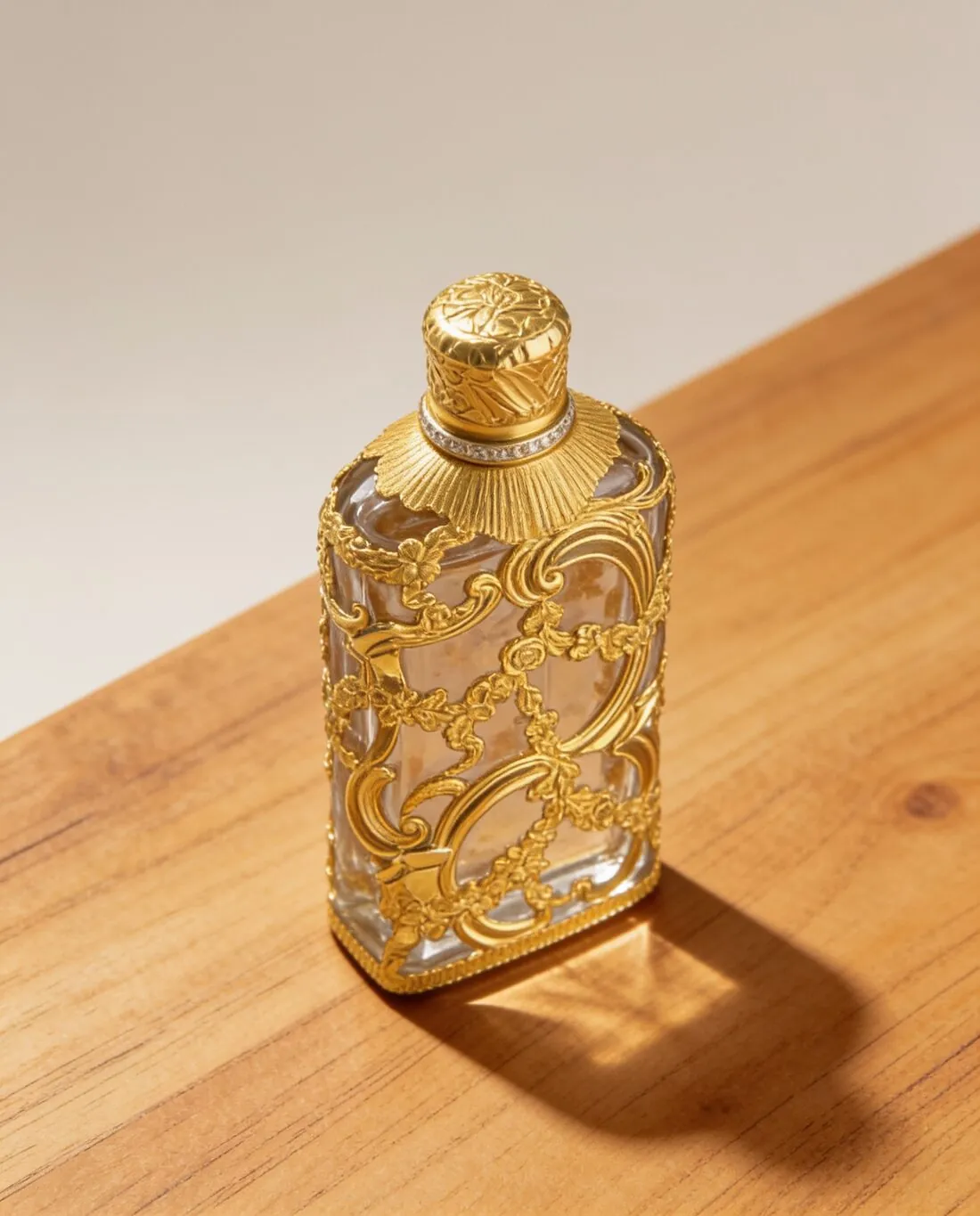
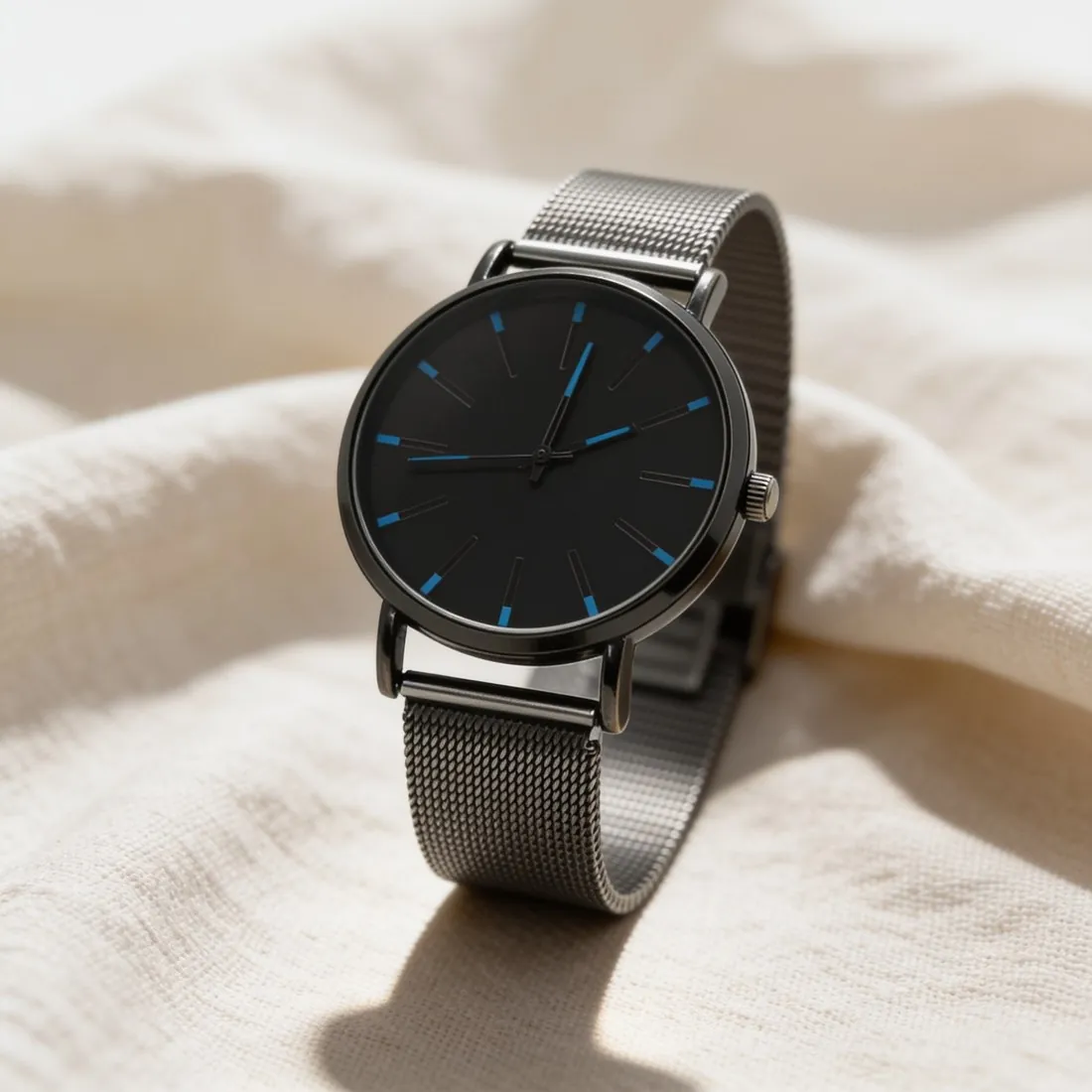
A gold filigree scent bottle on a marble blockThe same bottle on a wooden surfaceThe mesh-strap watch with a black dial resting on soft white linen

Three lifestyle images, each made from one plain photo of the product: a scent bottle on marble and on wood, and a watch on linen. Made with Herofab · Product studio

Lifestyle image and other kinds of product photo
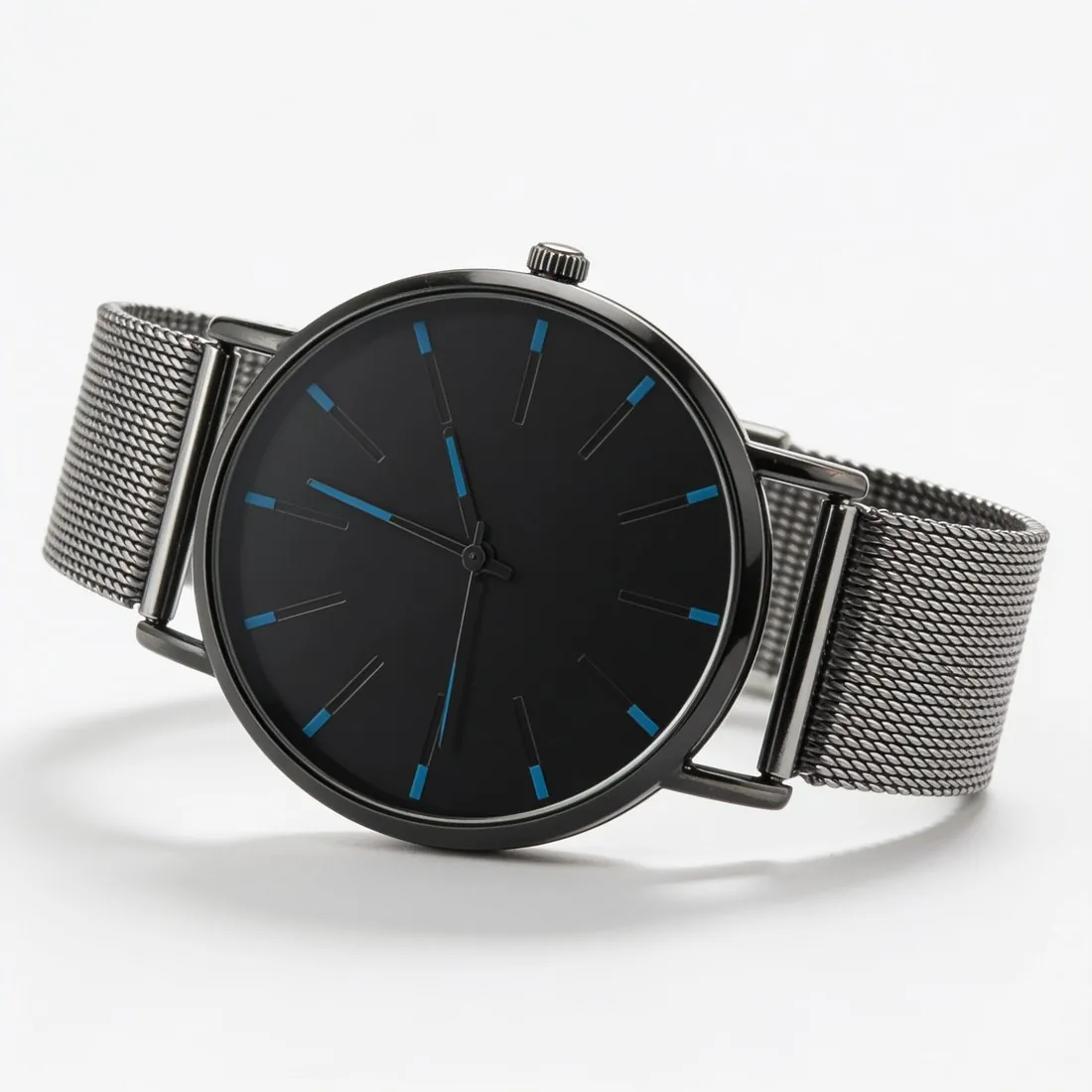
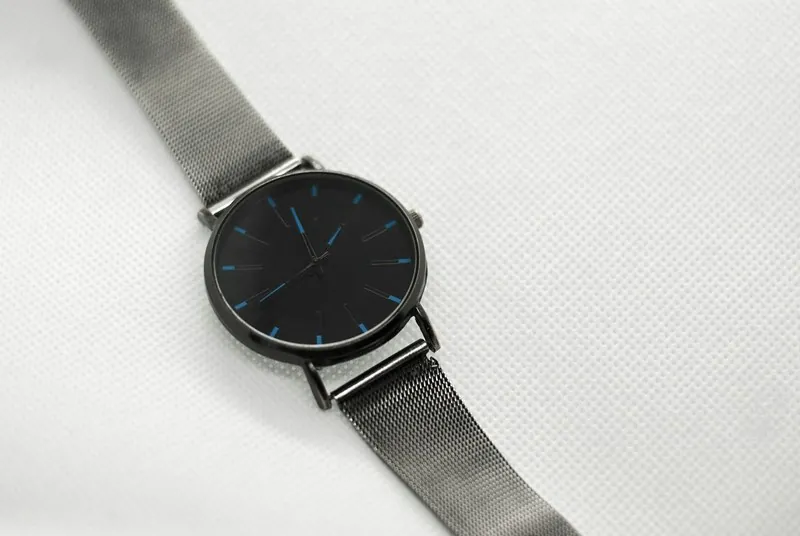
Black-dial watch with a mesh strap on white, three-quarter viewPackshot
A packshot shows the product alone on a plain background. It tells the shopper what is sold; the lifestyle image shows it in a setting. Most listings use both.
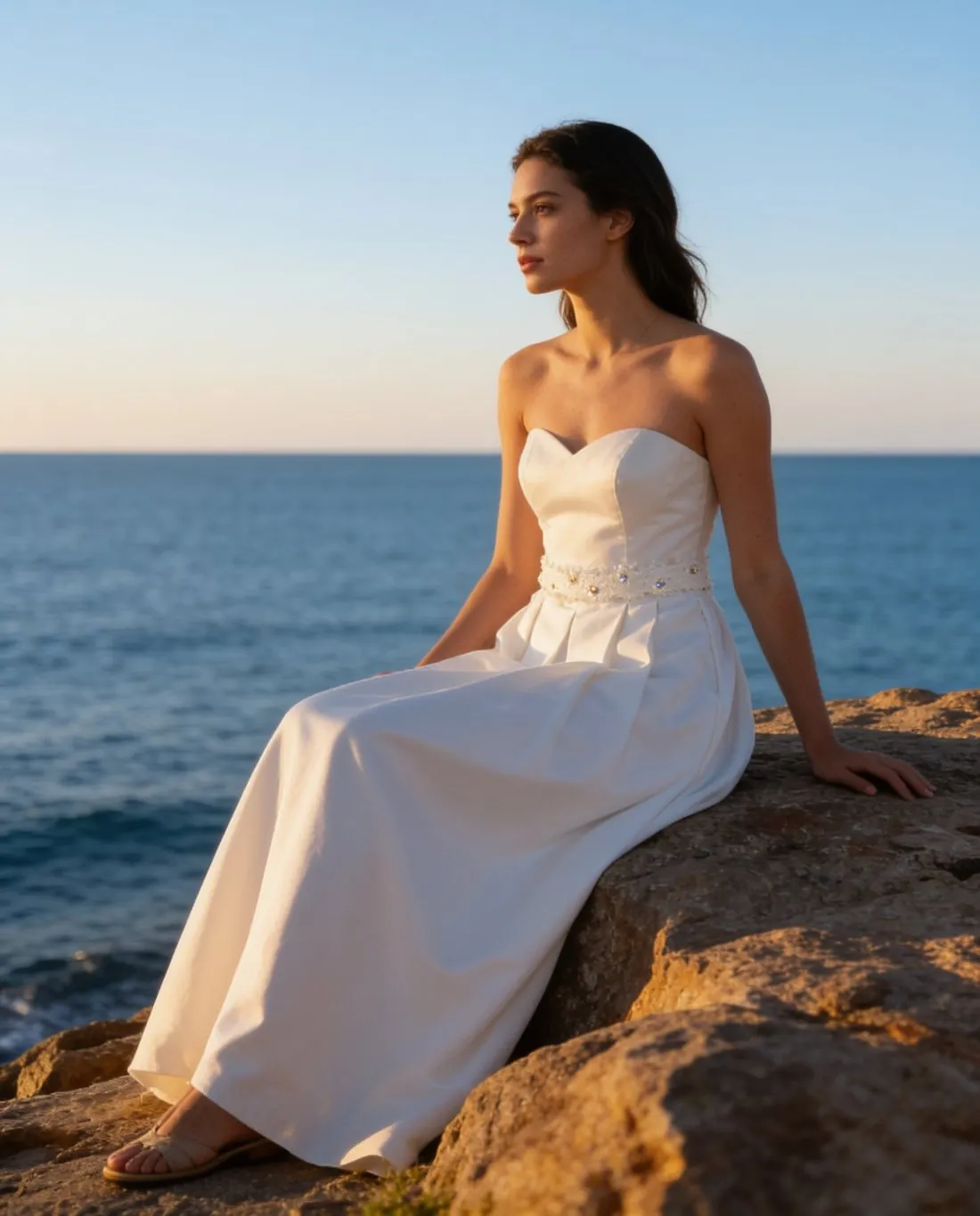
A white strapless dress worn by a model sitting on coastal rocks by the sea at golden hourHero shot
A hero shot is the one picture a brand leads with. It is often a lifestyle image, chosen because it carries the product and the mood at once.
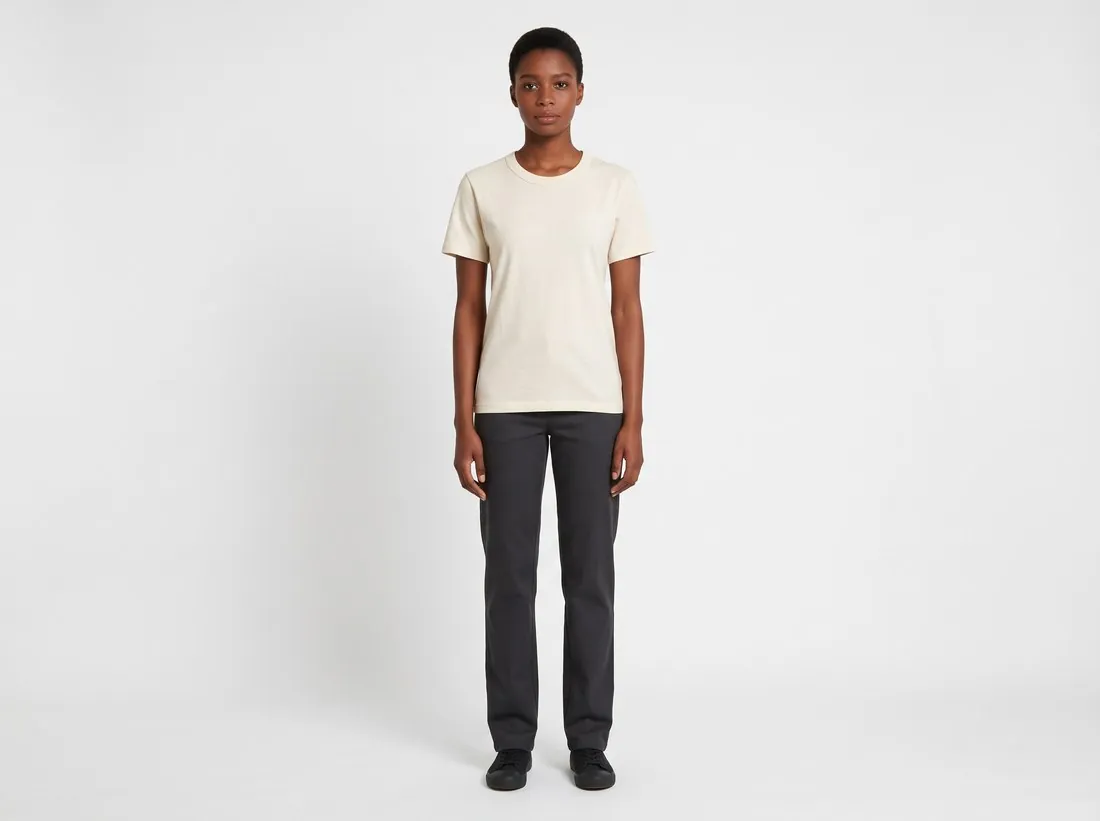
Model wearing the ecru T-shirt with dark trousers, full length on whiteOn-model image
An on-model image shows a product worn by a person. It becomes a lifestyle image when the person is placed in a setting and not in front of a plain studio background.
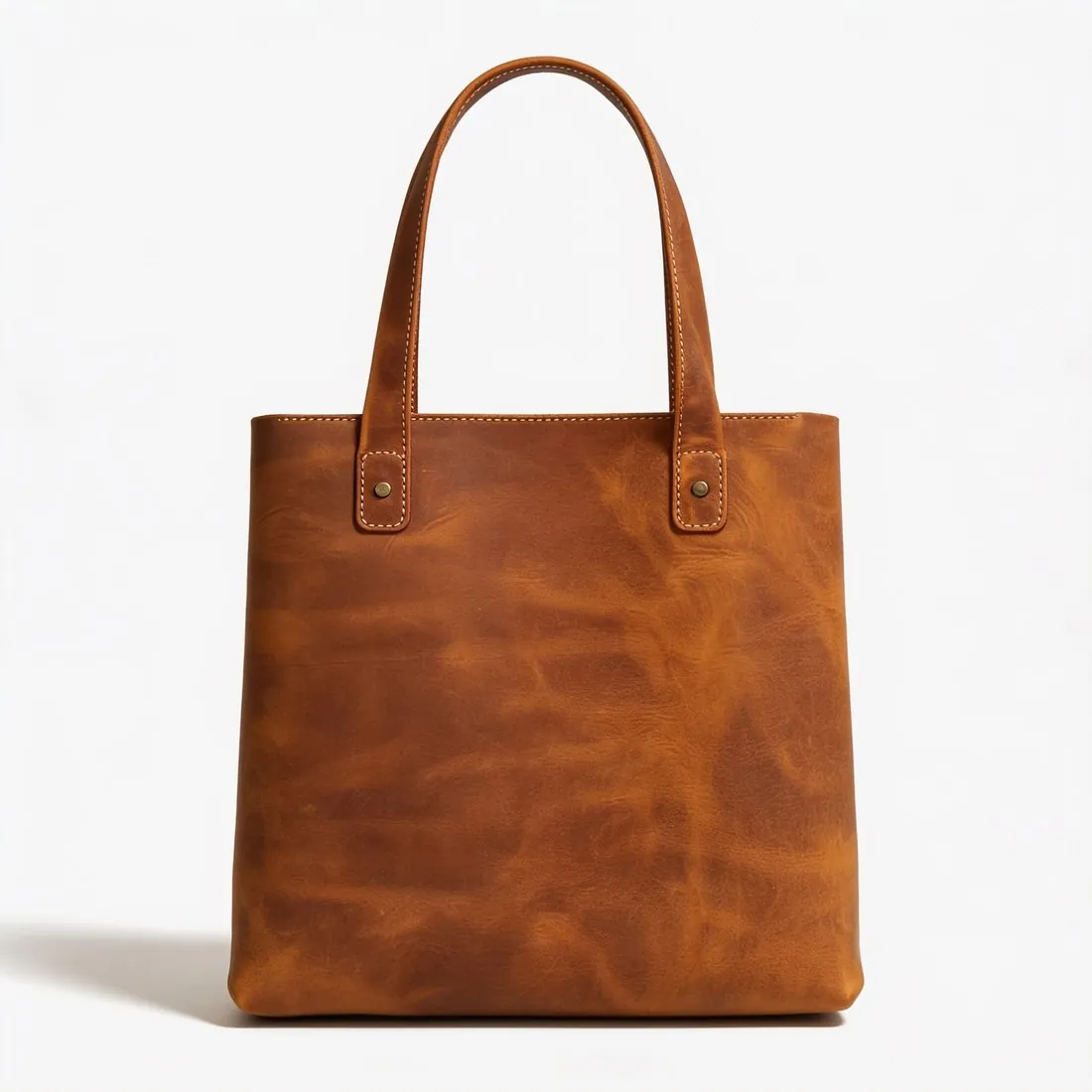
The brown leather tote alone on a white studio background, front viewMain image
The main image is the first picture of a marketplace listing. Many marketplaces keep it for the product alone, which places the lifestyle image among the additional pictures.
A white strapless dress worn by a model sitting on coastal rocks by the sea at golden hourLookbook
A lookbook is a series of pictures that presents a collection. It is largely made of lifestyle and on-model images that share one setting and one light.

A checklist for a lifestyle image

  • The product is the sharpest and clearest thing in the picture and is not partly covered.
  • Props are few, fit the use of the product and cannot be mistaken for part of the offer.
  • The colour of the product was compared with the product itself; warm or coloured light has not shifted it.
  • The scale is believable: the product is the right size next to the hand, the table or the room.
  • There is room around the product for the crops that the shop, the ad and the social feed need.
  • The first image of the listing still follows the sales channel's rule, with the lifestyle image after it.
Questions

Lifestyle image, answered.

Can I use a lifestyle image as the main image?

Often not on marketplaces, though it depends on the marketplace and the category. Many keep the first position for the product alone on a plain background and place lifestyle images among the additional ones, while a few allow or recommend a setting for certain product types. In your own shop the choice is yours; on a marketplace, its own rule decides.

Do I need lifestyle images if I already have white background photos?

Not necessarily, but they do a job that a white background photo cannot. A white background photo shows exactly what the product is; a lifestyle image shows its size beside familiar things, how it is used and who it is for. Two cautions apply: props should not suggest that more is included than is sold, and the light of the scene should not shift the product's colour.

What is the difference between a lifestyle image and a product photo?

A product photo in the narrow sense shows the item alone on a plain background, so that nothing distracts from it. A lifestyle image shows the same item in a setting or in use. The first is about information, the second about context, and a listing that has both answers more of a shopper's questions than either alone.

How many lifestyle images should a listing have?

There is no fixed number. One or two, after the plain first image, are usually enough to show scale and use; more are worth adding when they show something new, such as another setting, another use or the product worn. The limit on images that the sales channel sets is the ceiling.

Can a lifestyle image be made without a photo shoot?

Yes, from a plain photo of the product: the product is kept and the setting around it is created. Herofab's Product studio places a product from one photo on studio white, grey or beige, on marble, wood, linen or a podium, outdoors, in a home setting or on an image of your own. The result is checked like any edited picture, for colour, scale and small lettering.

In marketplace rules

What marketplaces say about it.

Updated 25 September 2026

Amazon
Only a limited number of product types may use a lifestyle image as the main image Official page
Google Shopping
Staged or lifestyle images that clearly show the product are also acceptable Official page
Wayfair
A mix of single-product silhouettes and environmental shots, from several angles Official page
Mercado Livre
White is still required for technology, beauty, health and supermarket; elsewhere, light contextual backgrounds are recommended Official page
Related
Free tools
Get started

Your next collection, shot this week.

20 credits at sign-up, no card required. Images made with free credits carry a watermark. Herofab also removes the watermark from those images once credits are purchased.