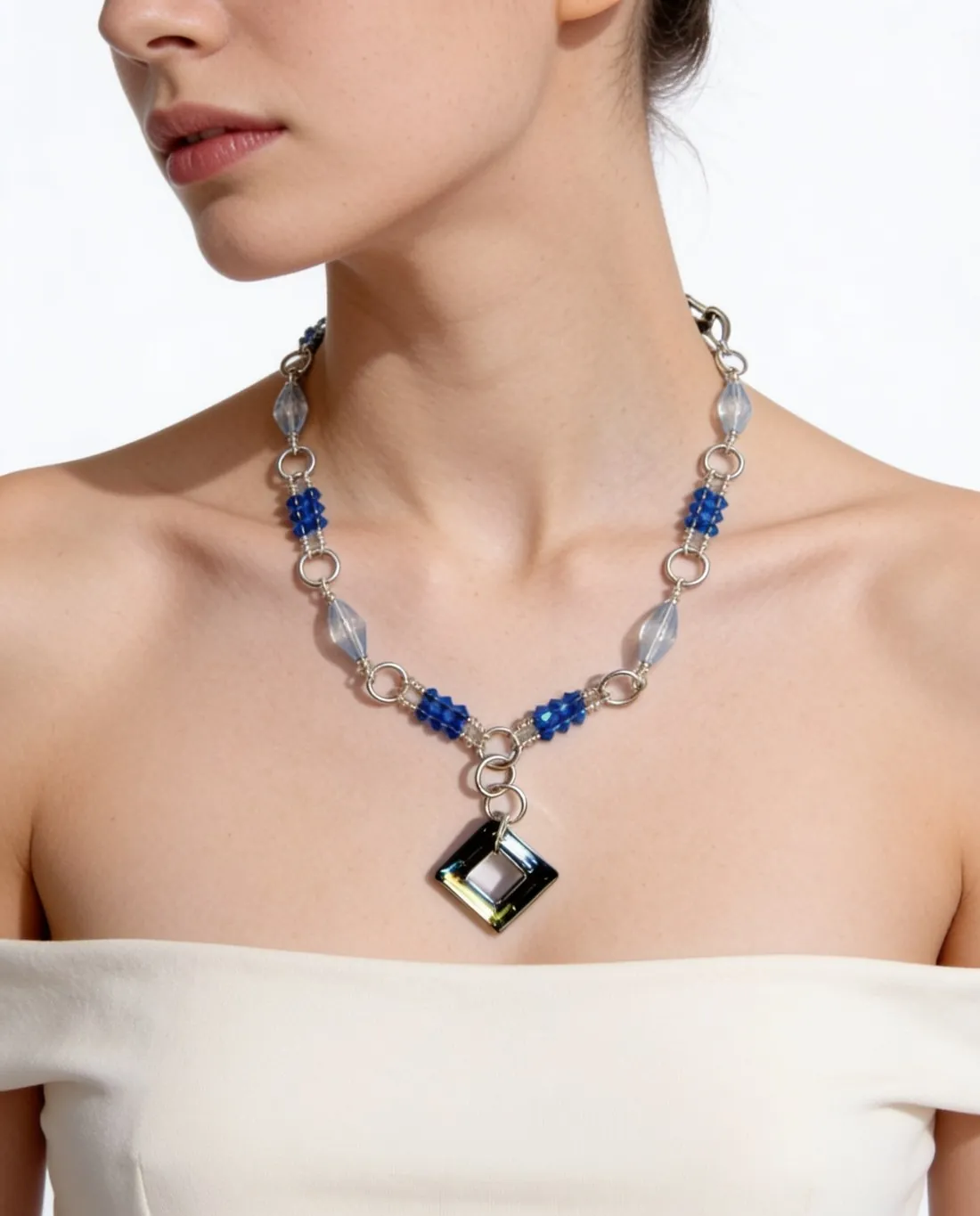
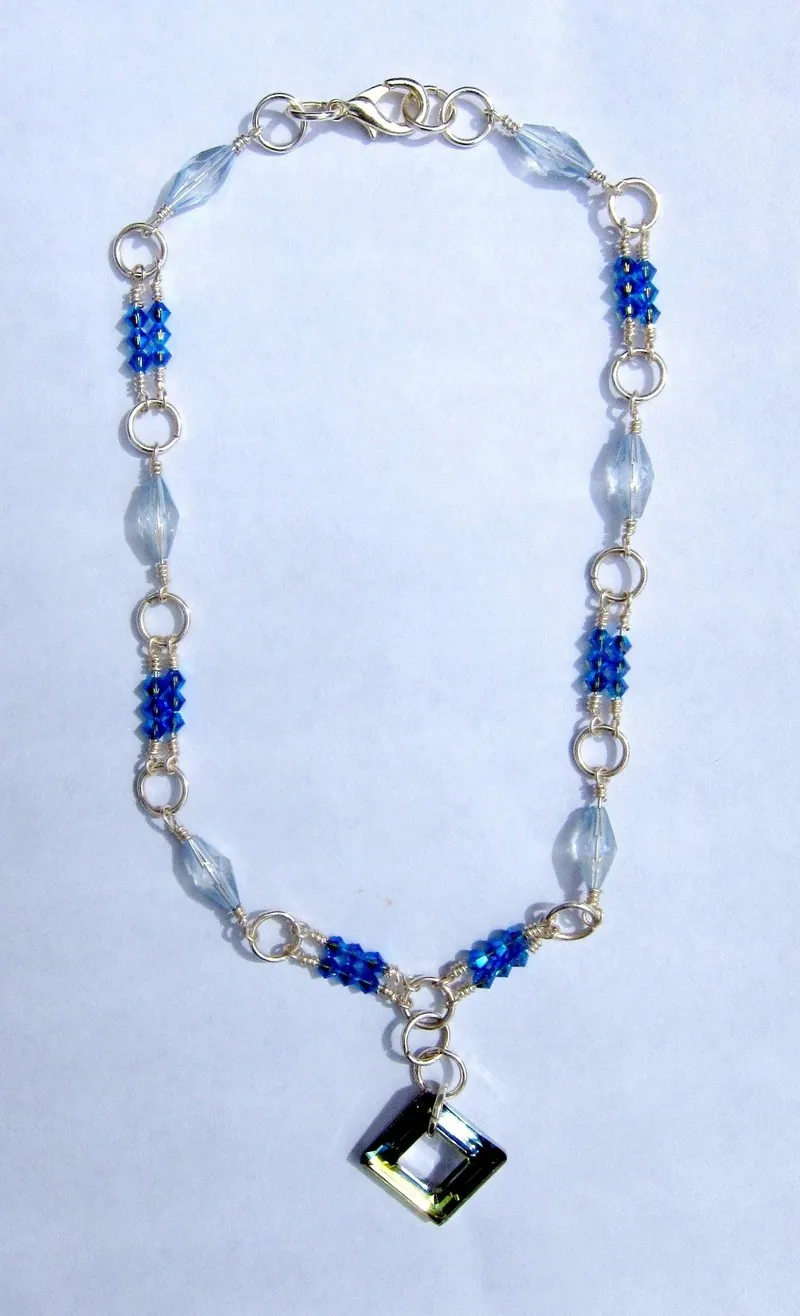
Direct sun, a bare flash and a phone's built-in flash are hard light: they come from one small point and give crisp shadows, glaring spots on shiny surfaces and harsh contrast. Light becomes diffused when something broad stands between the source and the product: a cloudy sky, a window with a thin white curtain, a sheet of tracing paper, a softbox, or a white ceiling or wall the light is bounced from.
For product photos diffused light keeps colour readable across the whole product. Under hard light a garment shows a bright band on one side and a dark band on the other, and shoppers cannot tell which one is the real shade. Under diffused light the shade stays even, and glossy surfaces show a soft gradient instead of a white spot. Many marketplace guidelines that ask for no flash, no direct sun or no hard shadows are, in effect, asking for diffused light.
Fully diffused light from every side has a cost: texture disappears, and a chunky knit, corduroy or grained leather looks smooth. Light that is still diffused but comes from one side, low and close, brings the texture back while the shadows stay soft. A quick test is the edge of the product's shadow on the floor: a crisp line means hard light; a gradual fade means diffused light.