How soft a light is depends on its size compared with the product, not on its brightness. A bare bulb or flash is a small point: it casts hard-edged shadows and small, glaring highlights. Inside a softbox the light bounces off a reflective lining and passes through one or two layers of diffusion fabric, so the whole front panel glows. Moved closer to the product, the same box becomes softer; moved away, it becomes harder.
The shape of the box is chosen for the subject. A rectangular box suits products and garments, a long narrow strip box draws a clean highlight down the side of a bottle or along the outline of a dark jacket, and an octagonal box is common for on-model images, where it leaves a round catchlight in the eyes. For a model, the box has to be large enough to light the figure evenly from the shoulders to the hem; a small box lights the chest and lets the trousers and shoes fall into shadow.
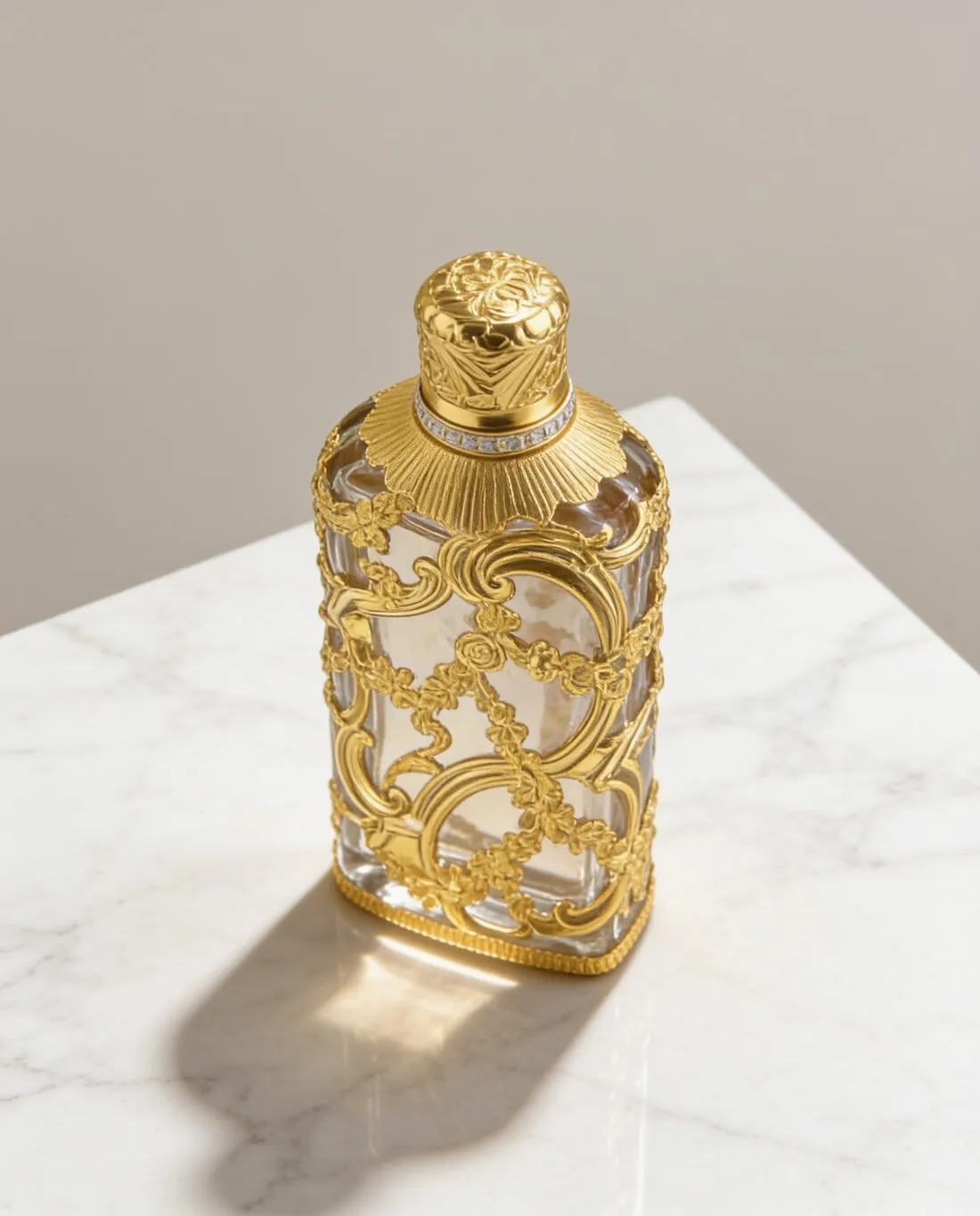
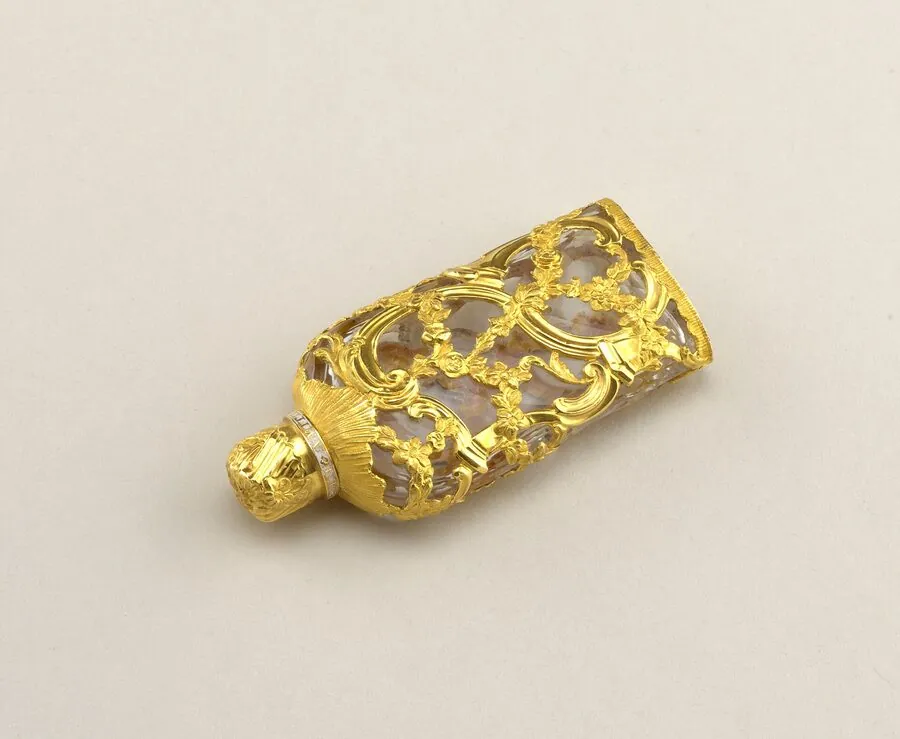
On anything shiny the softbox appears in the picture as a bright rectangle: on glass, patent leather, satin and polished metal that reflection is part of the image, so its place is chosen by moving the box until the reflection follows the product's shape. A single box far to one side leaves one half of a garment darker than the other, which can read as a two-tone fabric; a reflector or a second light on the opposite side evens it out.