A lookbook shows how the pieces of a season belong together. Where a product page isolates one garment, a lookbook image shows a whole outfit, in a location or a studio set that carries the idea of the collection. Brands send it to retail buyers and the press before a season, and use the same images later in their own shop.
A lookbook is read as a sequence, so consistency matters more than in single product images: one model or a small cast, one light, one kind of setting. It does not replace the plain product image, which states colour and cut without a mood. The two work together, one to sell the idea and one to describe the item.
How a lookbook is built
A lookbook is organised in looks. A look is one complete outfit, normally shown full length so that every piece from collar to shoe is in the frame, and often followed by a closer crop. Looks are numbered, and each carries a caption naming the pieces worn, so that a reader can find them on the line sheet or in the shop.
The order is edited, not accidental. Looks are grouped by colour story, by fabric or by occasion, and the sequence moves from one group to the next. The opening image sets the tone and is often used alone as well: on the cover, on an invitation or as the first screen of a web page.
Planning the looks before the shoot
The shoot starts from a list, not from a location. Every piece the season depends on is assigned to at least one look, and the looks are fixed in fittings before the shoot day. This shows early which pieces have no partner and which look needs a shoe, a bag or a layer that the collection does not contain.
A few decisions are made once and held for the whole series: the camera height, the framing, the crop and the direction of the light. Full-length frames taken from one height can stand side by side on a page. Mixed framings force a designer to scale and crop each picture separately, and the series loses its rhythm.
One series, several uses
The same series is delivered in different forms. Buyers usually receive a document with captions and style numbers, the press asks for single images at high resolution, and a brand's own shop shows the looks on a page where each piece links to its product page. Planning for all three at the shoot costs less than adapting the pictures later.
That planning is mostly a matter of room. An upright full-length frame with space around the figure can be cut to a square, to a tall phone format or to a wide banner. A frame filled to its edges allows one use only. The upright format is the base, because a standing figure is taller than it is wide.
Lookbook and related terms
- Line sheet
- A line sheet lists the same collection as plain images with style numbers, sizes and prices. The lookbook creates the wish to order and the line sheet records the order, so the captions of the one should lead to the rows of the other.
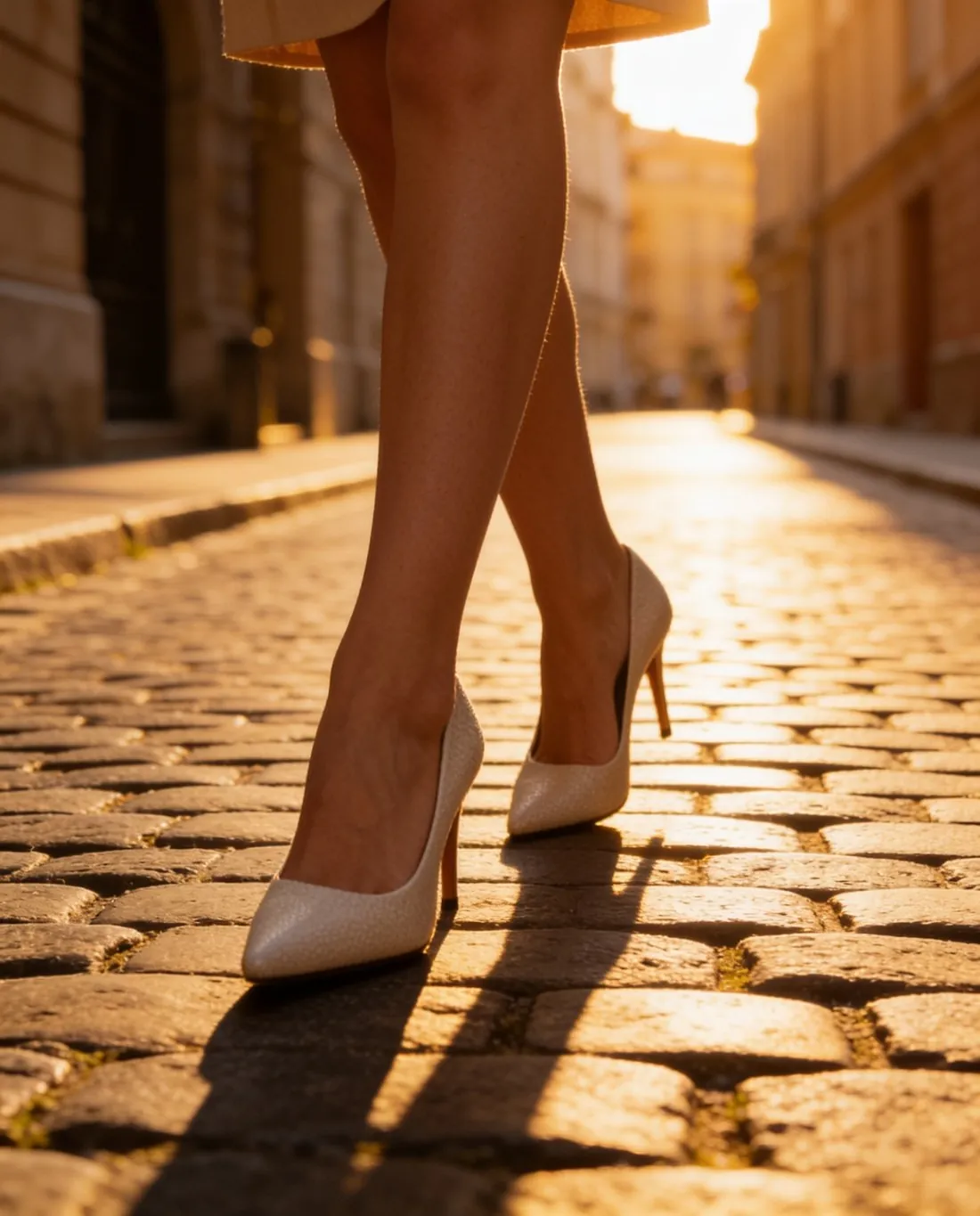 Lifestyle image
- A lifestyle image shows one product in use or in a setting. A lookbook image can look similar, but it belongs to a numbered series and presents an outfit, not a single item.
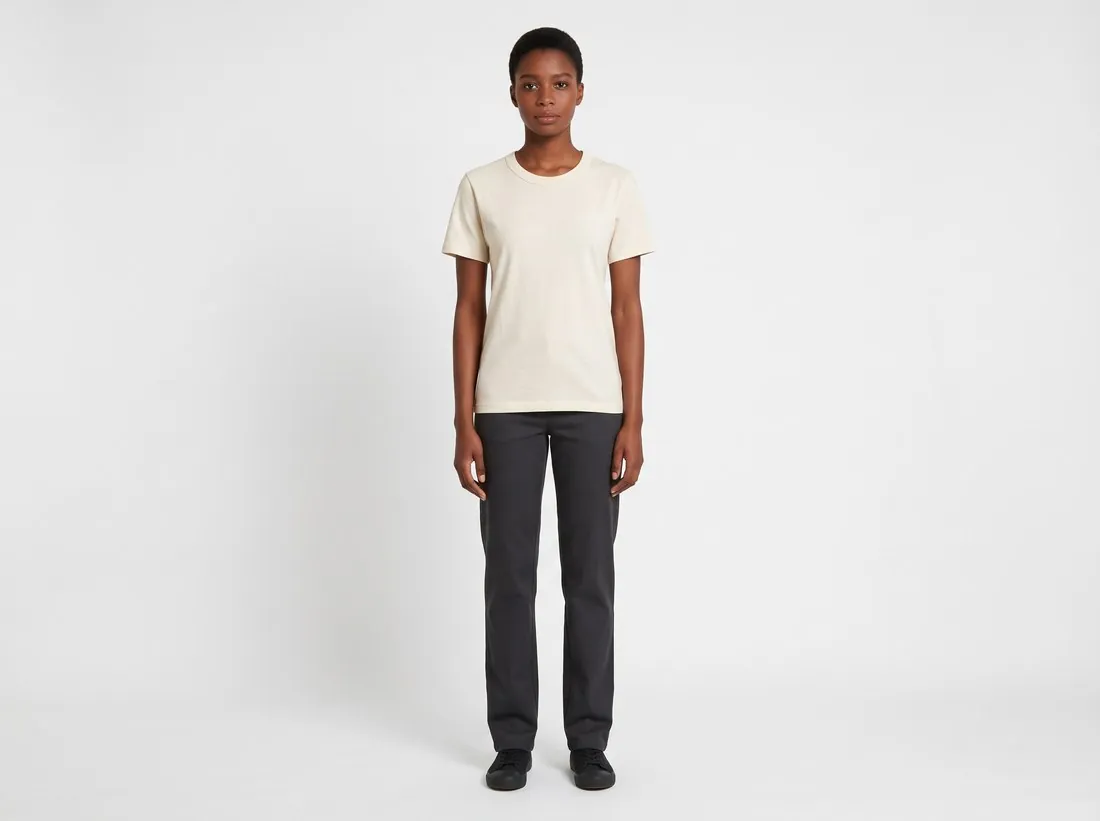 On-model image
- An on-model image shows a product worn by a person, usually against a plain background and with that product as the only subject. A lookbook image shows clothes worn as well, yet styling, setting and mood carry as much weight in it as any one garment.
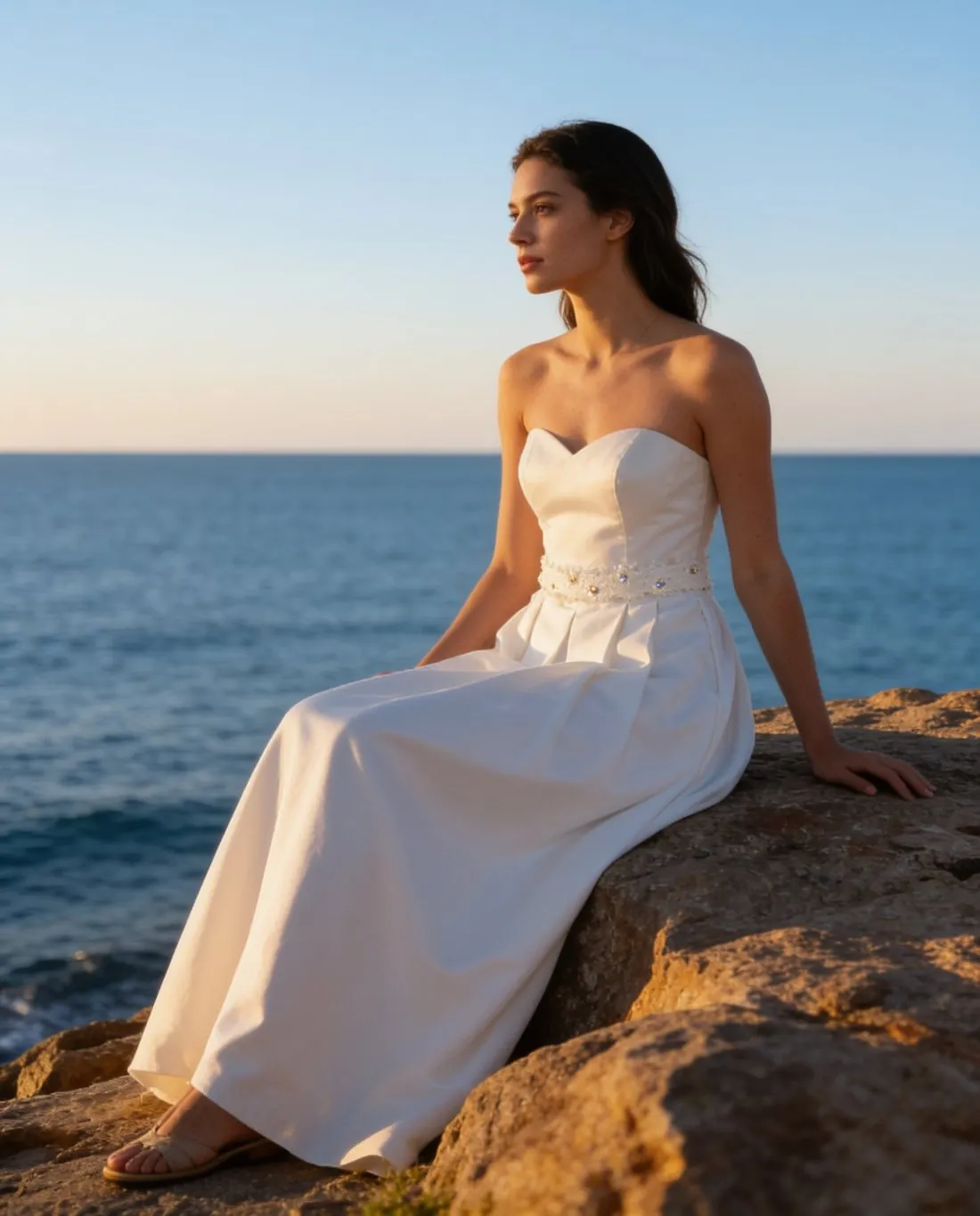 Hero shot
- A hero shot is the single picture chosen to represent a product or a collection. For a collection it is often taken from the lookbook: one look that stands for all the others.
A checklist before a lookbook is sent out
- Every look is numbered, and its caption names each piece by the style name or number used on the line sheet.
- Each key piece of the collection appears in at least one look.
- Framing, camera height and light are the same from the first look to the last.
- The colours of the garments match the samples, also in pictures taken on location in warm or mixed light.
- Pieces that are not part of the collection, such as borrowed shoes or jewelry, are not captioned as if they could be ordered.