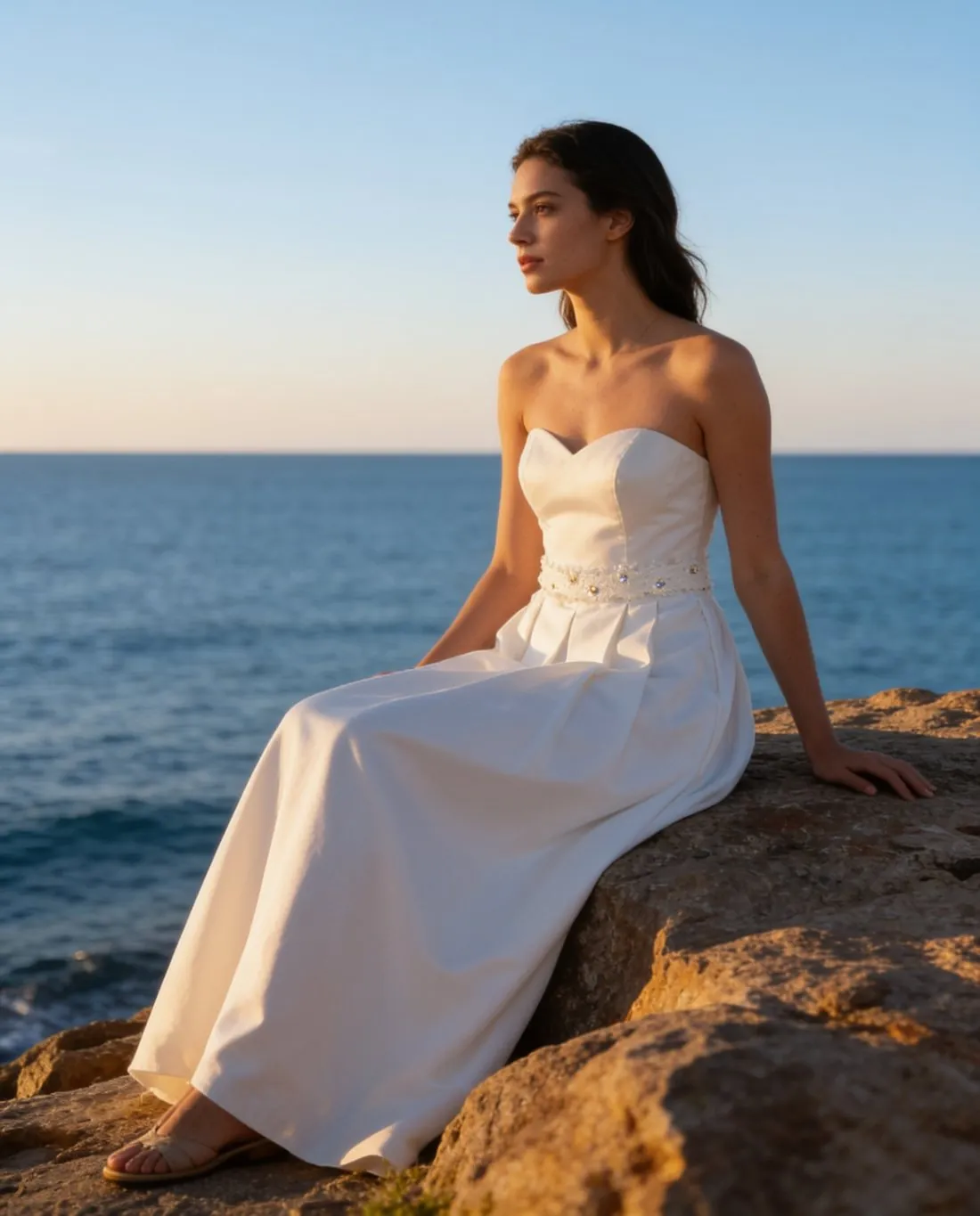
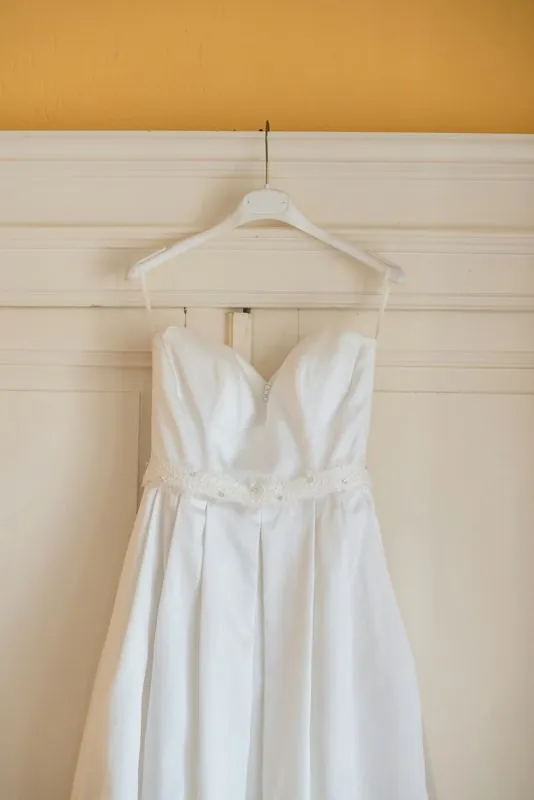
A hero shot is a role, not a technique. It can show a product alone on a plain ground, a product in a setting or a garment on a model; what makes it the hero is that it is the picture a brand leads with. Photographers light and compose it with more care than the rest of a set, because it has to carry the product by itself wherever it appears.
The word has two close neighbours. A hero image is the large picture at the top of a web page, which may or may not show a product. A main image is the first picture of a marketplace listing, where the marketplace decides what it may show. A brand's hero shot can fill either place when it meets those limits, and in a brand's own shop the choice is free.
A set of product pictures is usually built around the hero. The supporting images show the back, the details, the scale and the product in use, in the same light and colour, so that the page reads as one shoot.
What makes a picture the hero shot
It is the picture that works alone. Seen without a title, a price or a second image, it still says what the product is and why someone would want it. That usually means one clear subject, a composition with room around it and light that gives the product shape.
There is one hero for each product or each collection. A page on which every picture competes for attention has no hero; the other pictures are there to support it.
Where a hero shot is used
On a product page it is the first and largest picture. Beyond the page it is the image that travels: the collection banner, the newsletter header, the social post, the ad, the lookbook cover and the wholesale presentation.
Each of those places crops it differently. A hero shot with space around the product survives a square, a tall and a wide frame; one that is cropped tight has to be remade for every format.
Hero shot, hero image and main image
The three are often used as one word, and they describe different things. The hero shot is a photograph and the role it plays. The hero image is a place in a web layout: the large picture at the top of a page. The main image is a place in a marketplace listing: the first picture, whose content follows the marketplace's rules.
The difference matters when one picture is meant for all three. A styled hero shot may suit a brand's home page and still not be allowed as the first image of a listing, where a plain background is usually asked for.
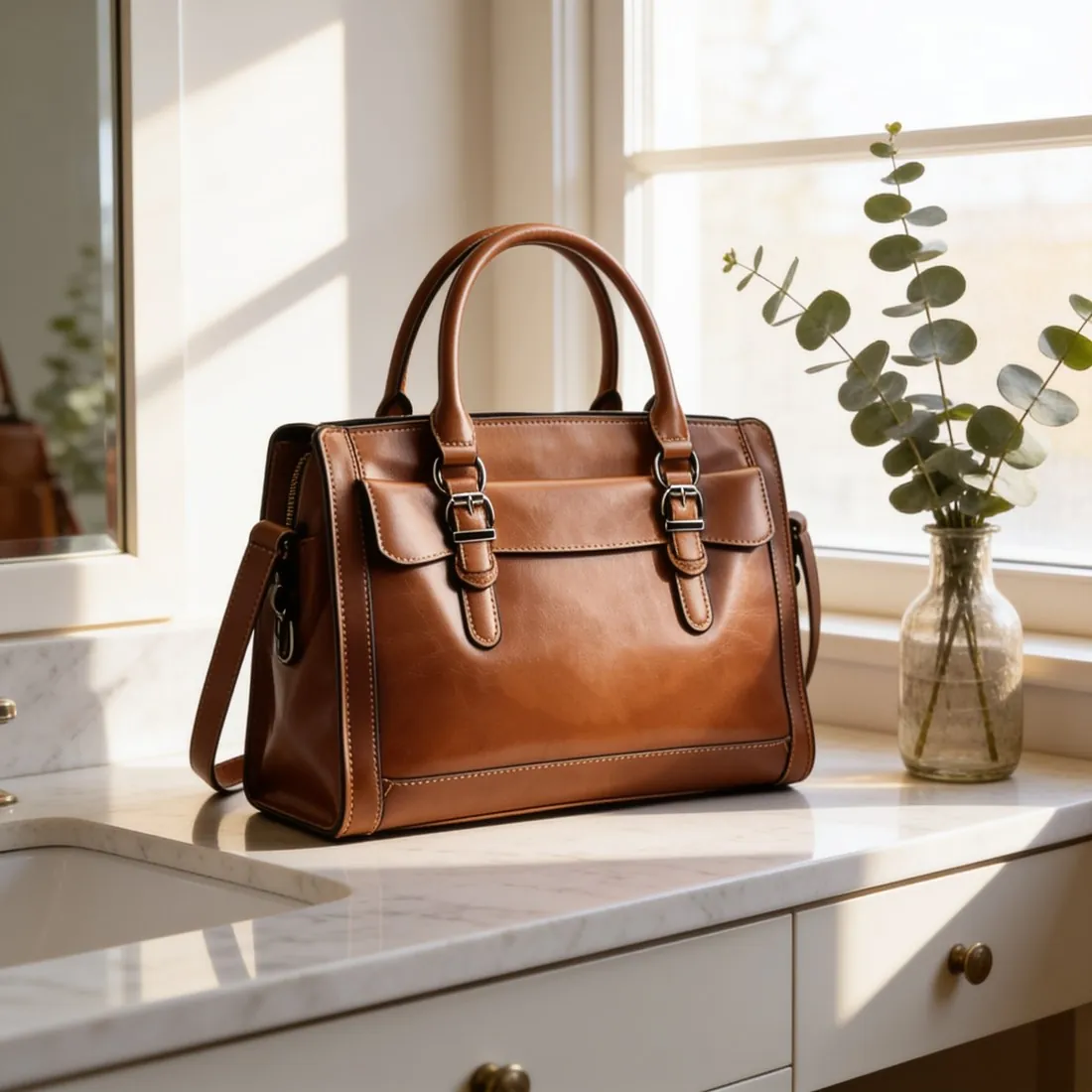
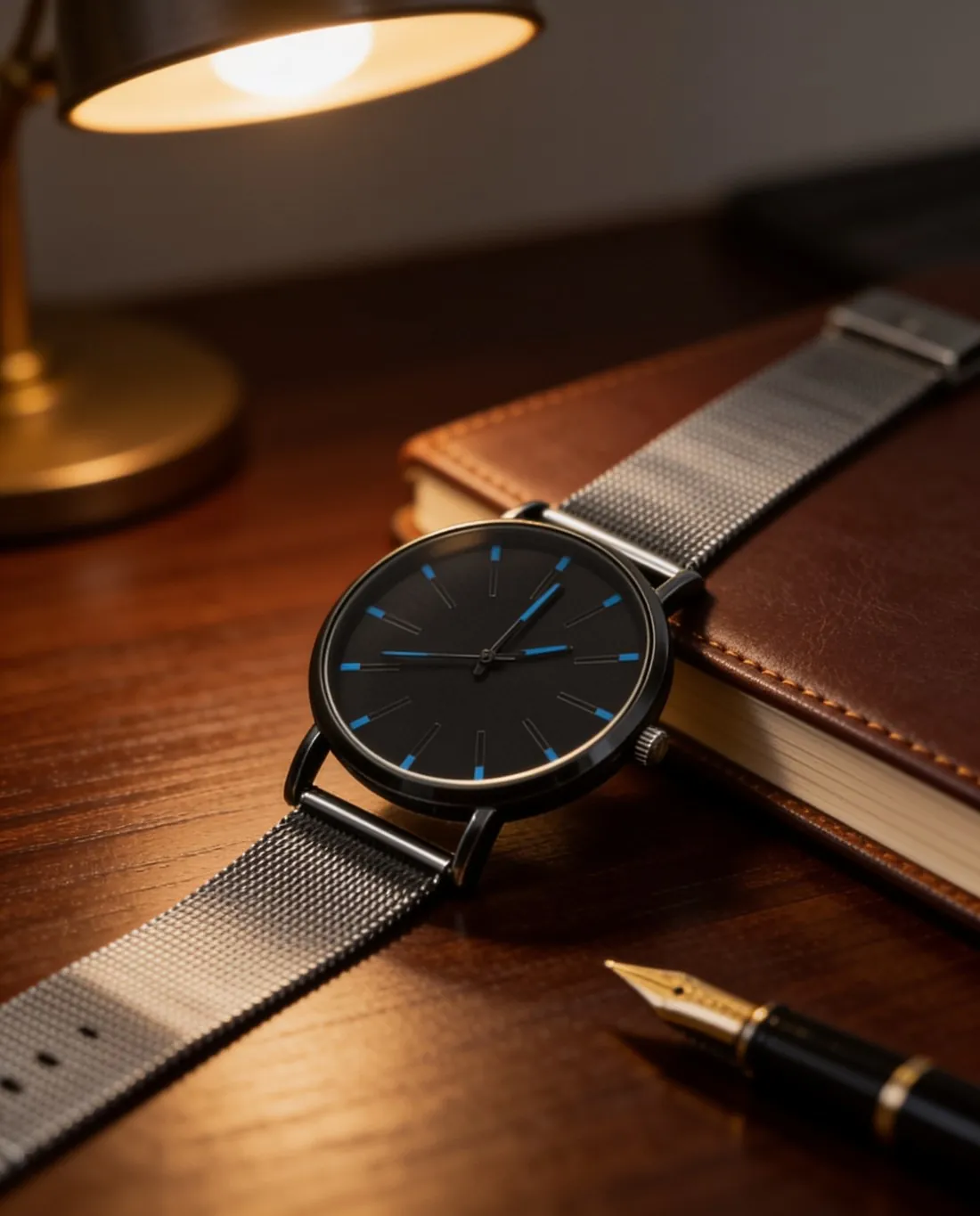
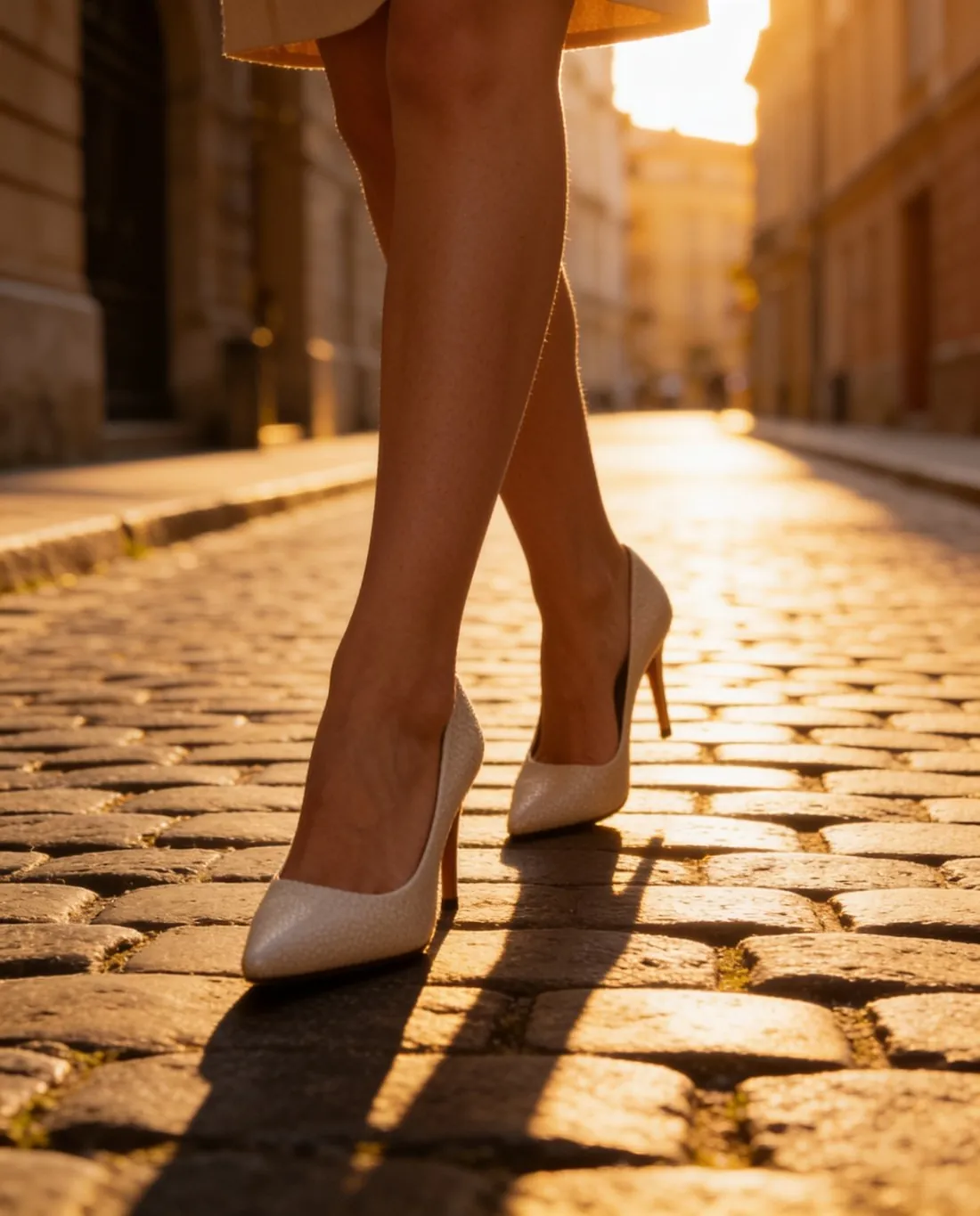
Three hero shots, each made from one plain photo of the product and a written brief: a handbag, a watch and a pair of heels in a scene. Made with Herofab · Canvas
Hero shot and other kinds of product photo
- Main image
- The main image is the first picture of a marketplace listing. A hero shot can serve as the main image only when it meets the rules the marketplace sets for that place.
- Packshot
- A packshot shows the product alone on a plain background, the same way for every product in a catalogue. A packshot can be the hero, but most hero shots are composed and lit for one product.
- Lifestyle image
- A lifestyle image shows the product in a setting or in use. Many hero shots are lifestyle images; a lifestyle image becomes the hero when it is the one picture chosen to lead.
- On-model image
- An on-model image shows the product worn by a person. In fashion the hero shot is very often an on-model image, taken in the pose and the light that suit the piece.
- Detail shot
- A detail shot gives one part of the product the whole frame. It supports the hero shot by showing what the hero is too wide to show.
A checklist for a hero shot
- The product is the first thing the eye lands on, and nothing in the scene is brighter, sharper or more colourful than it.
- The picture still reads at thumbnail size: the outline of the product is clear against its background.
- There is room around the product, so the same picture can be cropped square, tall and wide.
- Colour and material match the product in hand, also under warm or coloured light.
- Props suggest how the product is used and do not look like part of what is sold.
- Small lettering, logos and hardware are as they are on the product; in an edited or generated picture these are the first things to compare.