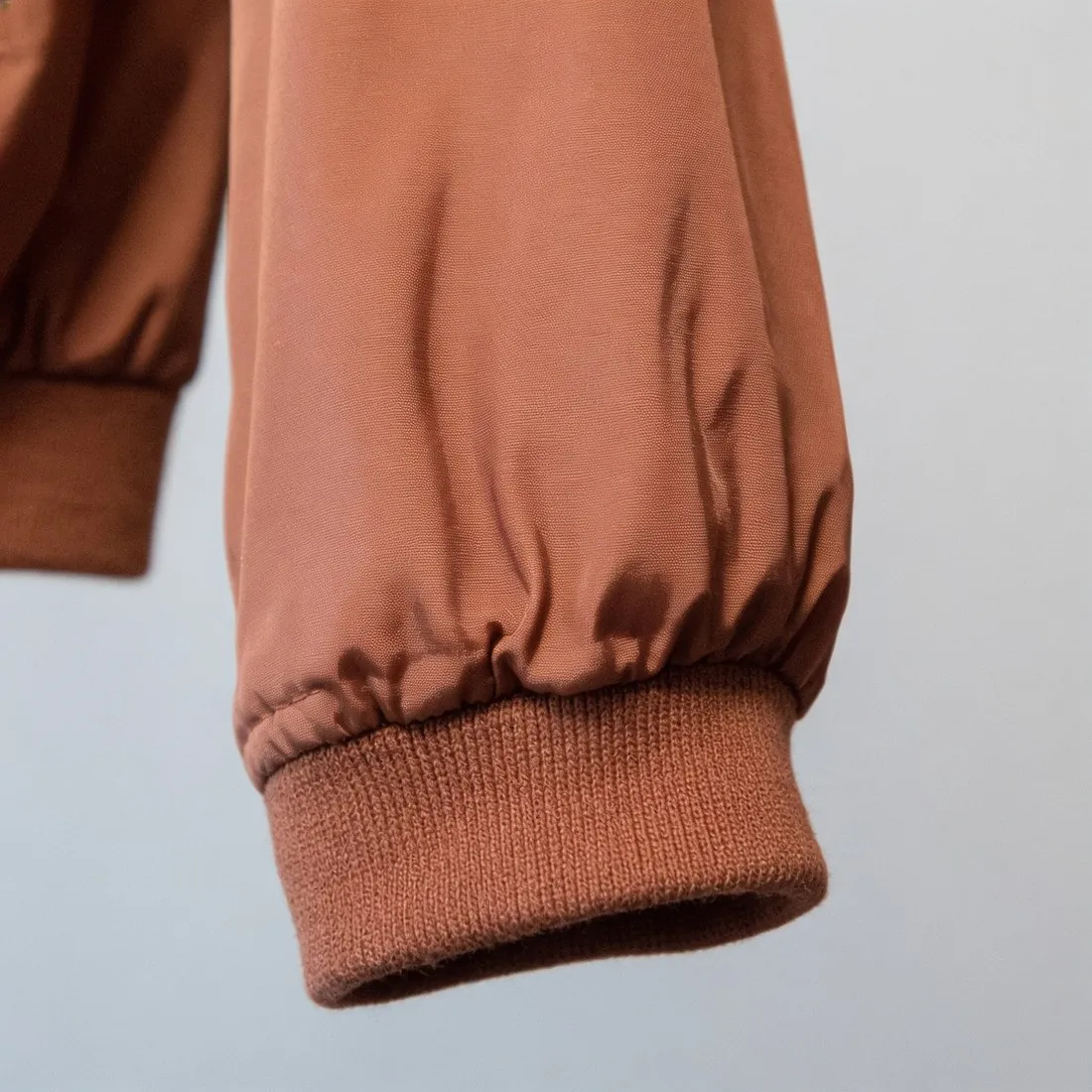
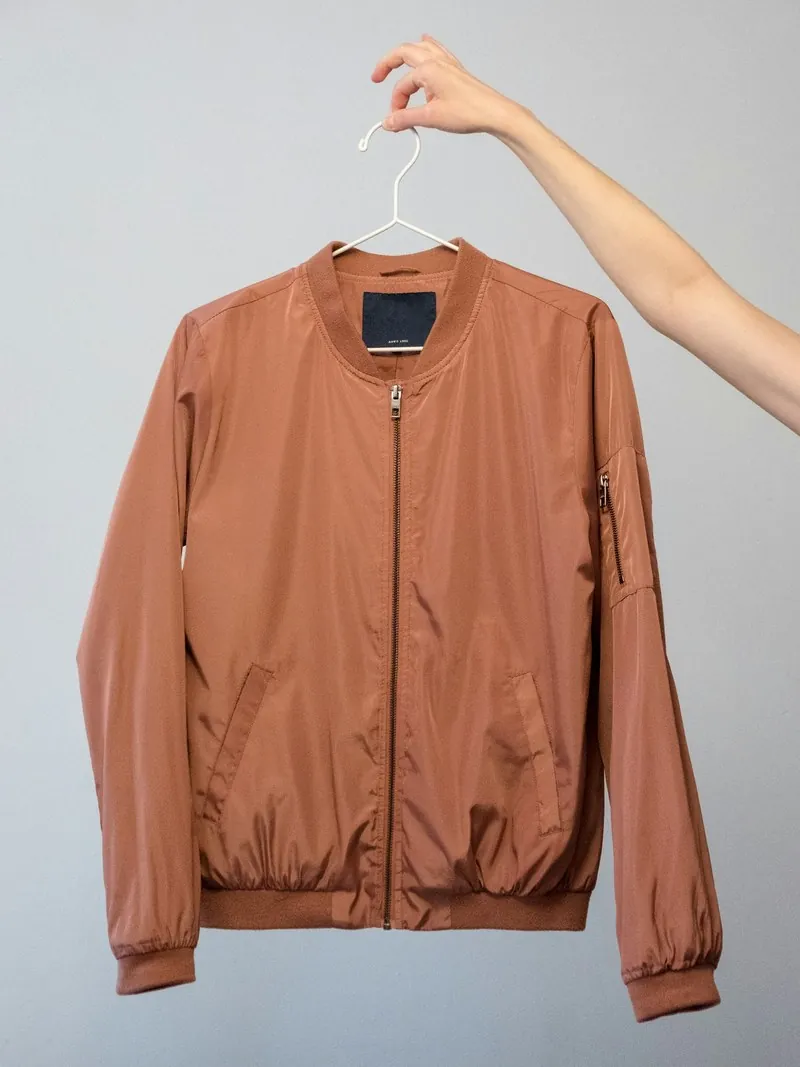
A full view tells a shopper what a product is; a detail shot tells them how it is made. The weave of a fabric, the stitching of a collar, the teeth of a zip or the setting of a stone cannot be judged at the size of a whole garment or a whole ring. A detail shot gives that part the whole frame.
Detail shots belong among the additional images of a listing, after the main image. They are the pictures in which small lettering and repeated parts are easiest to count, so they deserve a careful comparison with the product. A detail can only be as sharp as its source: a part that is blurred or hidden in the original photo cannot be shown faithfully.
What a detail shot has to answer
Each detail shot answers one question that a shopper cannot ask in person. What is the surface like: the weave, the grain of the leather, the finish of the metal. How is it built: a seam, a lining, the edge of a sole. How does it work: a clasp, an adjuster, the inside of a pocket. A close-up that answers none of these is only a larger piece of the main photo.
For used and vintage goods the detail shot has a further task, the record of condition. A worn corner, a scratch on a buckle or a repaired seam is shown plainly and close. A flaw that the buyer saw in advance is part of the description; a flaw found on arrival is a reason to send the item back.
Shooting close: focus, light and dust
Close range changes how a camera behaves. Every lens has a nearest distance at which it can focus, and below it nothing is sharp. Near that limit the zone of sharpness becomes very thin, so the detail is held parallel to the camera and a tripod or a firm support is used, since the smallest movement shows as blur.
Light is set for the surface. Low light from the side lifts texture: a weave, an embossed mark, a line of stitching. Polished metal and stones need broad, soft light, or they show the lamp as a burnt-out spot. Dust, lint and fingerprints that nobody sees in a full view are plain in a close-up, and removing them before the photo is quicker than retouching them.
Where detail shots mislead
A close-up taken under different light from the full view can show a different colour, and a shopper then has two answers to one question. The same holds for scale: a button that fills the frame looks large, so part of the surrounding product or an edge is left in view to show where the detail sits and how big it is.
Enlargement has limits. Heavy sharpening draws bright outlines around threads and edges, and an enlarged crop can show a regular texture that the material does not have. A fine knit that looks like a coarse one, or a matt leather that looks glossy, describes a different product from the one in the parcel.
Detail shot and related terms
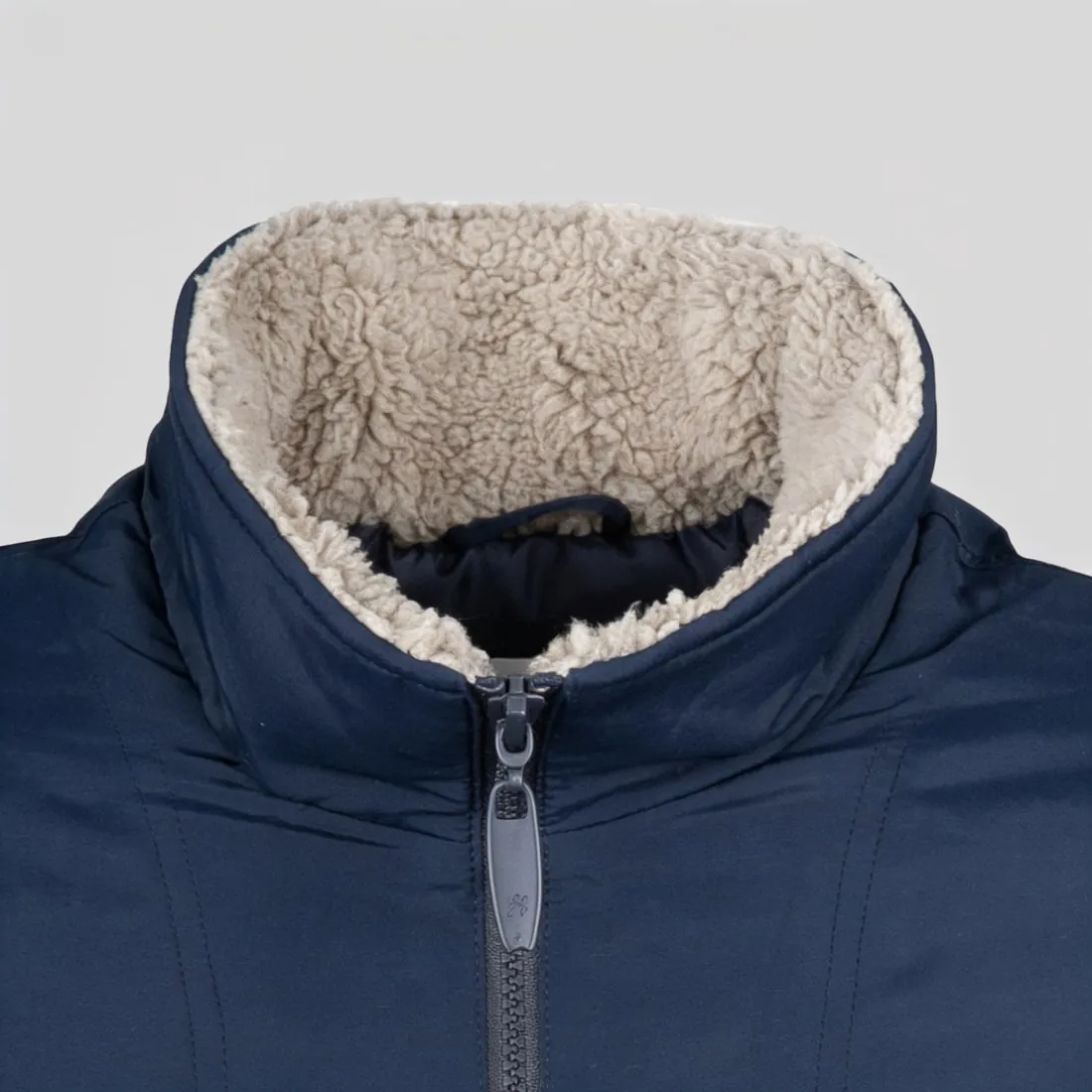 Image zoom
- Image zoom is the function that enlarges part of an image when a shopper hovers or taps. Zoom lets the shopper choose where to look in an existing picture; a detail shot makes that choice in advance and is lit and framed for the part it shows.
- Three-quarter view
- A three-quarter view shows the whole product turned so that the front and one side are seen. It tells a shopper where a pocket, a buckle or a seam sits, which a close-up of that part cannot show.
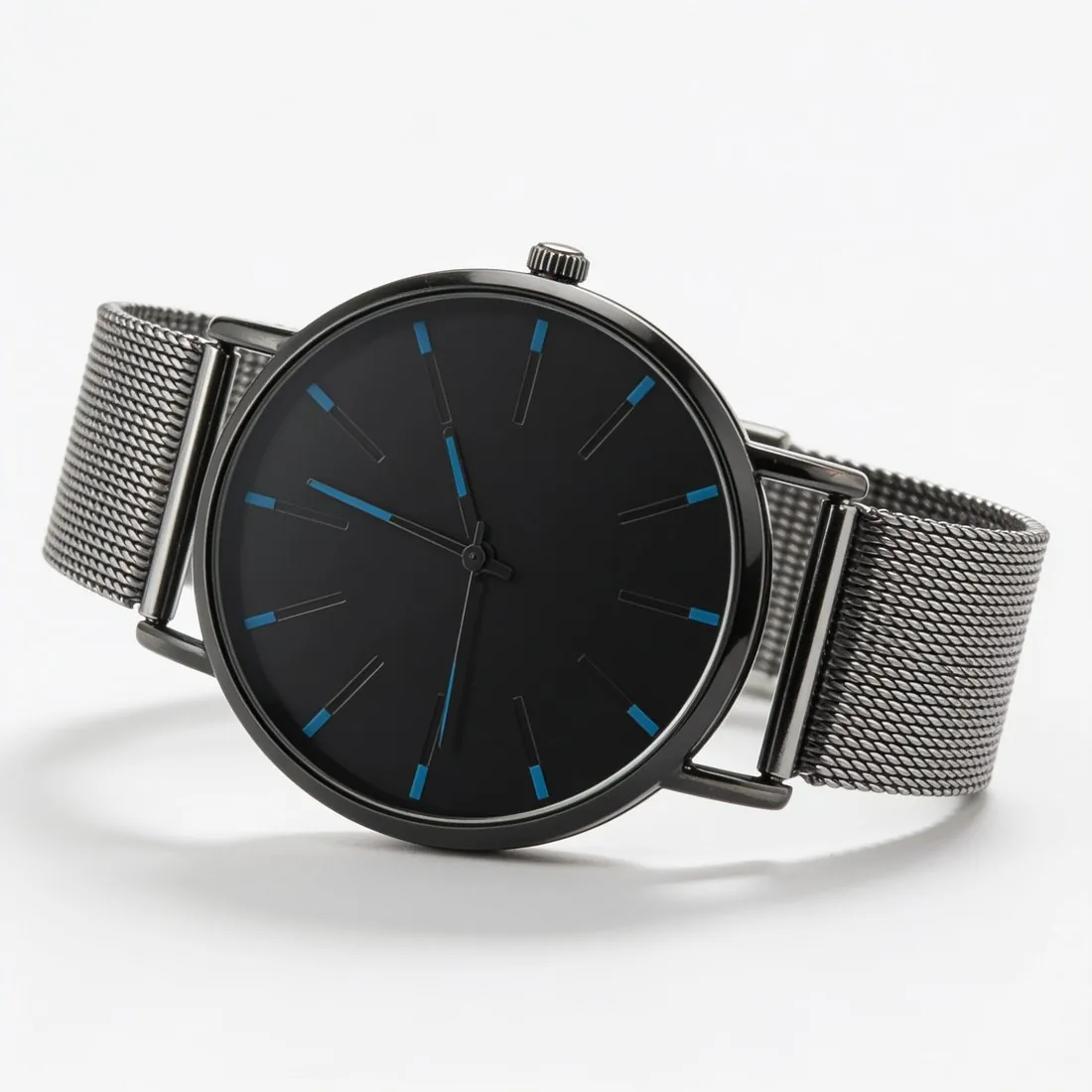 Packshot
- A packshot shows the complete product alone on a plain background. A detail shot is normally taken in the same session and in the same light, so that the two are read as one set.
- Fabric swatch
- A fabric swatch is a sample or an image of the cloth alone, used to choose a material or a colour. A detail shot of fabric is evidence about one finished product: it shows how that cloth looks once it is cut, sewn and pressed.
A checklist for a detail shot
- The detail is sharp across the whole part that matters, not only in a narrow band.
- Enough of the surrounding product is in the frame to show where the detail sits.
- The colour agrees with the main image of the same listing when the two are placed side by side.
- Lettering, the number of buttons, stitches or links, and the pattern agree with the product itself.
- The surface is free of dust, lint and fingerprints, and bright parts are not burnt out to plain white.