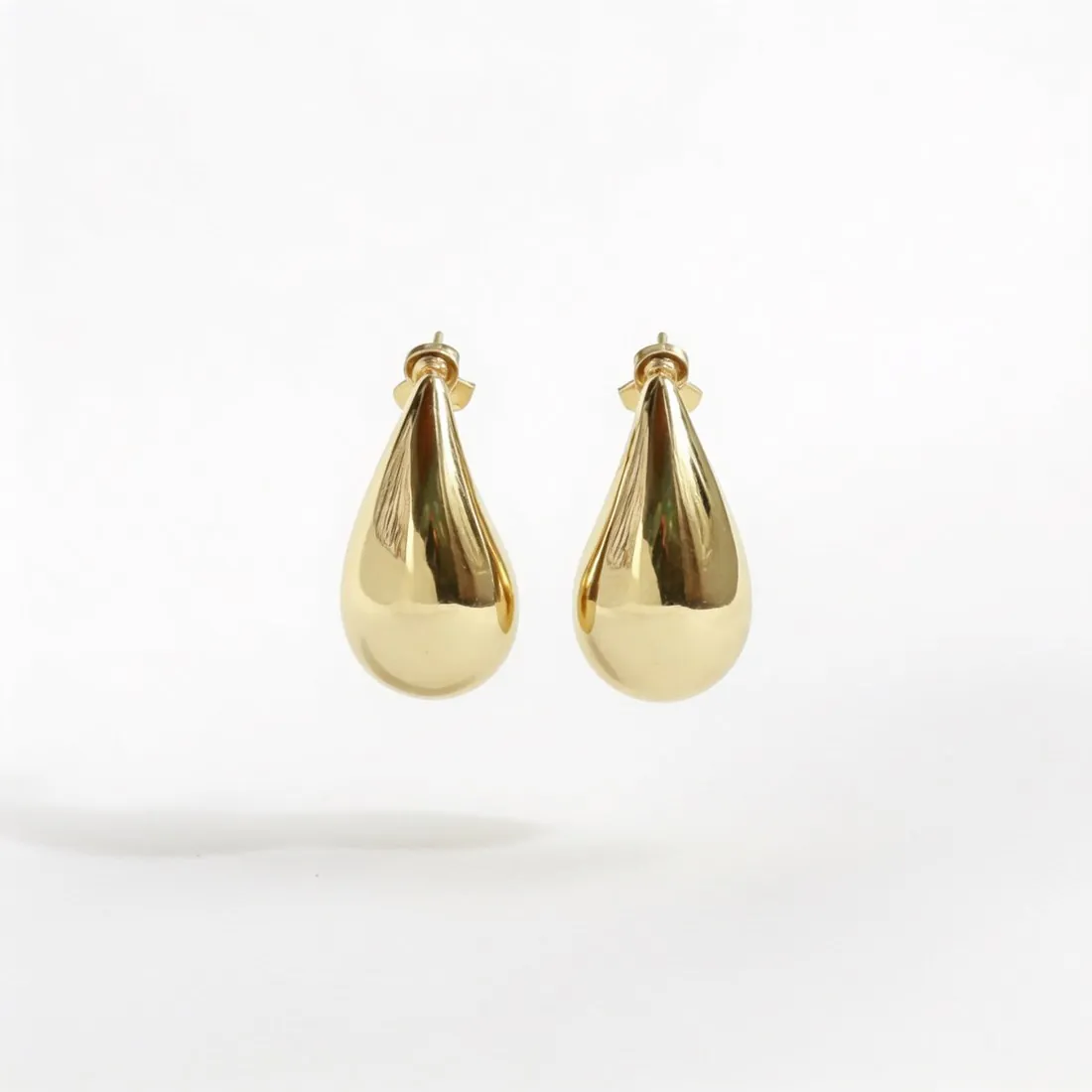
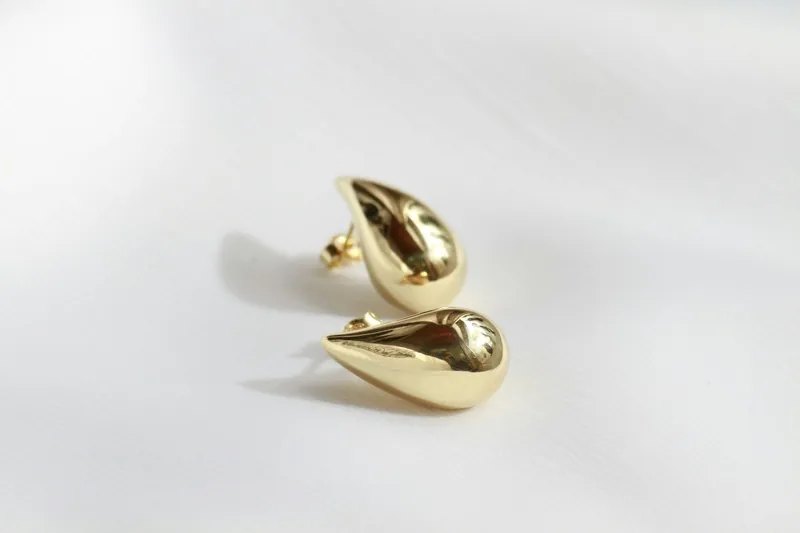
A product cut out and set on pure white has no contact with any surface, and the eye reads it as hovering. A shadow restores that contact. A natural shadow is the one the product really cast when it was photographed; a drop shadow is added afterwards; a reflection mirrors the product on a glossy surface beneath it.
A shadow is part of the image, so it decides whether the background is plain white throughout. Marketplace rules treat shadows differently, and at least one excludes them outright, which makes the shadow a setting to check for each channel. A convincing shadow agrees with the light on the product: it falls on the side away from the brightest edge.