Language: EN
Start free

Flat lay

A flat lay is a product photographed lying flat on a surface, from above. Some marketplaces require it for specific categories.

With Herofab Ghost mannequin

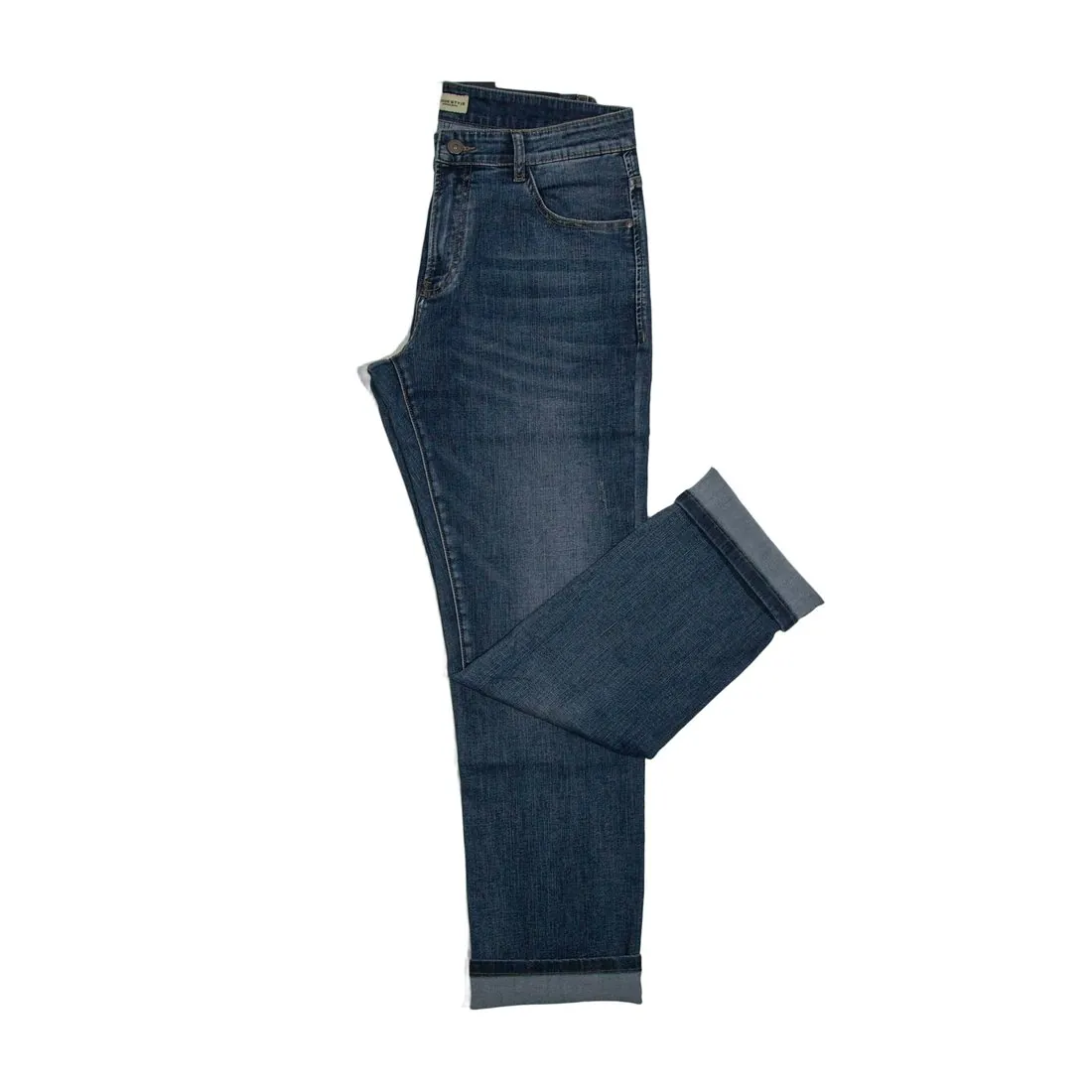
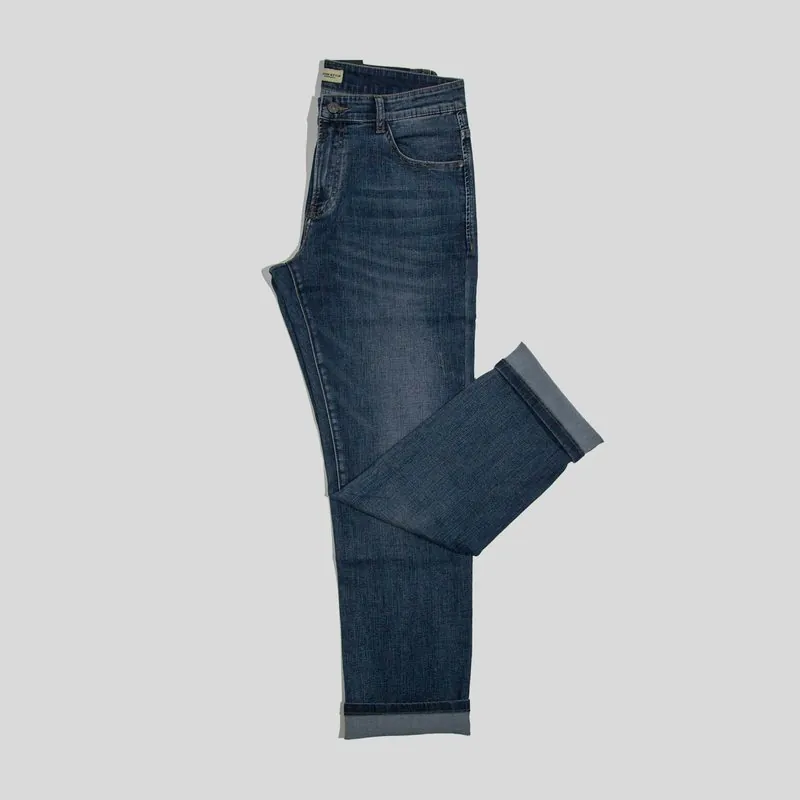
The folded indigo jeans with turned-up hems on a white background
Source photo. Made with Herofab · Remove background

Flat lays are quick to shoot: the garment is laid on a table, a bed or the floor and photographed from directly above. They show the full outline and print of a product, but not how it fits on a body.

For children's form-fitting items, a flat presentation is not a style choice but a rule on Amazon and TikTok Shop.

What a flat lay shows, and what it does not

A flat lay shows a product as a shape: the full outline, the proportions, the print and the colour, all at once and without distortion. For a T-shirt, a scarf, a pair of socks or a set of accessories that is most of what a shopper needs.

What it cannot show is volume. A garment lying flat has no shoulders, no waist and no drape, so a jacket or a dress photographed this way looks wider and shorter than it is when worn. That is the gap a ghost mannequin image or an on-model image fills.

Flat lay styles

The plain flat lay shows one product alone on a clean surface, squared to the frame. It is the catalogue version and the one marketplaces mean when they ask for a flat presentation.

The styled flat lay arranges the product with a few props or with the other pieces of an outfit, often at a slight angle. It belongs to social media and editorial pages. Between the two sits the folded flat lay, used for jeans, knitwear and shirts, which shows fabric and detail but hides the cut.

Getting a flat lay right

The camera has to be parallel to the surface and directly above the middle of the product. Any tilt makes one end look narrower than the other. A tripod with a horizontal arm, or a phone held flat with the grid switched on, keeps the frame square.

The rest is preparation. Steaming or ironing matters more here than in any other kind of photo, because the whole surface of the fabric faces the camera. Soft, even light from the side, such as a window without direct sun, shows texture without casting hard shadows from folds.

Flat lay and other kinds of product photo
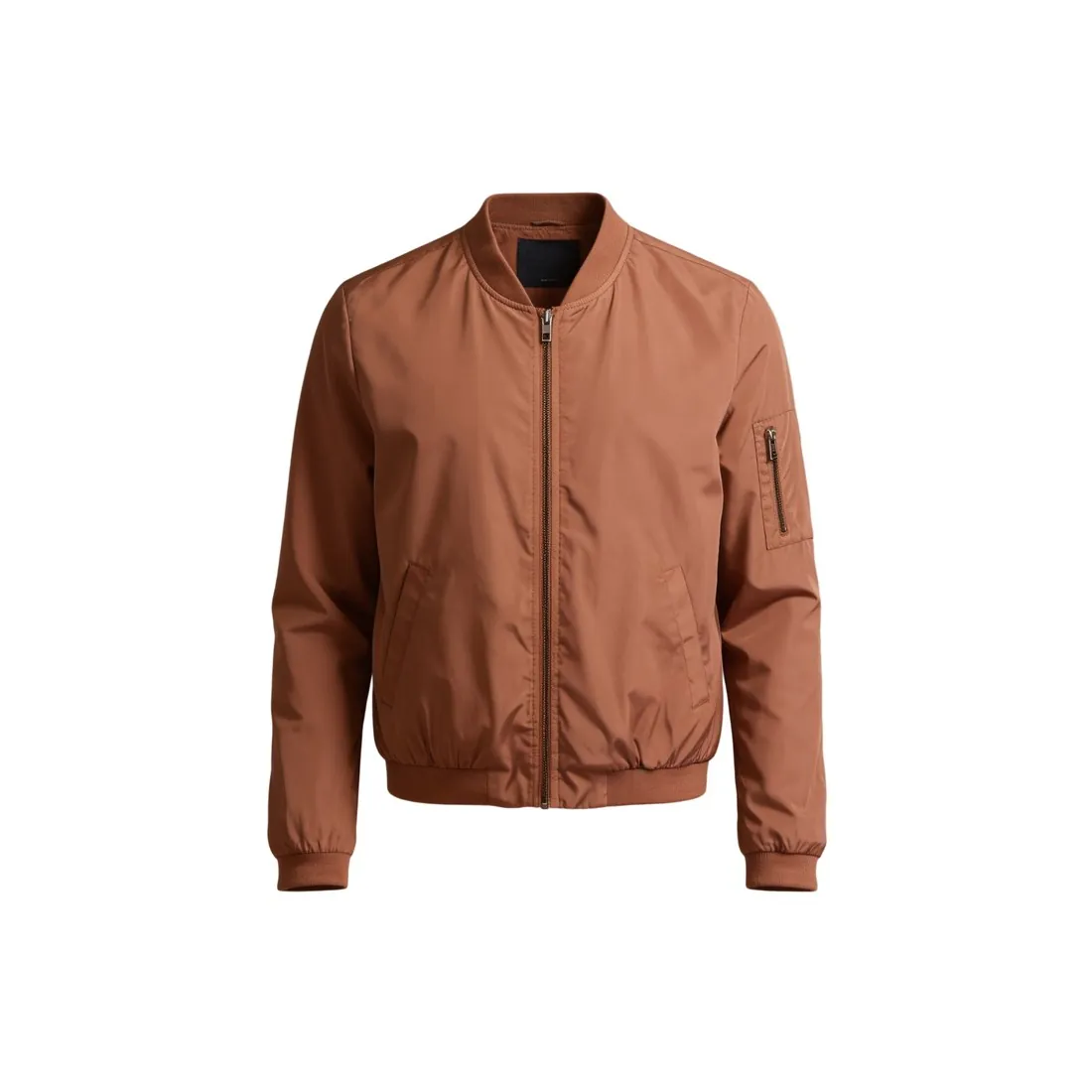
The terracotta bomber jacket as a ghost mannequin, cut out on pure whiteGhost mannequin
A ghost mannequin image shows a garment with the volume of a body and nobody inside. It adds the shape that a flat lay cannot show, at the cost of a more involved shoot or edit.
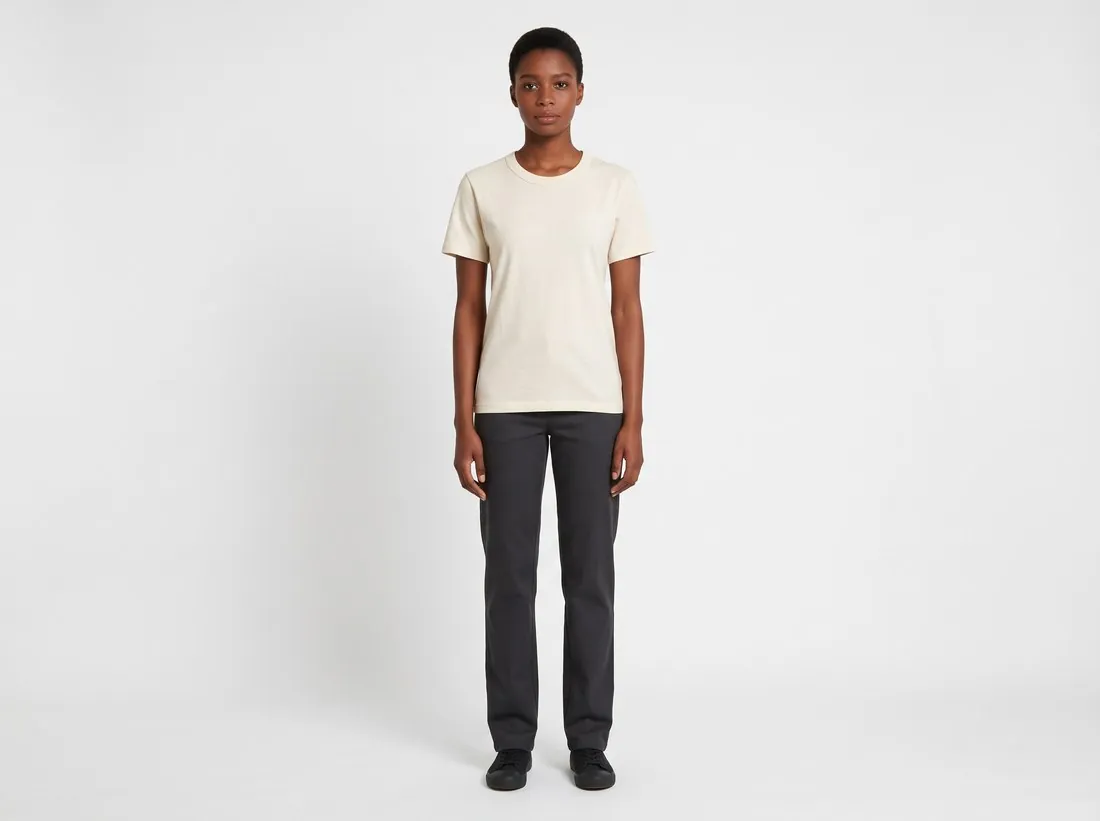
Model wearing the ecru T-shirt with dark trousers, full length on whiteOn-model image
An on-model image shows the product worn by a person. It answers how a garment fits and falls, which a flat lay leaves open.
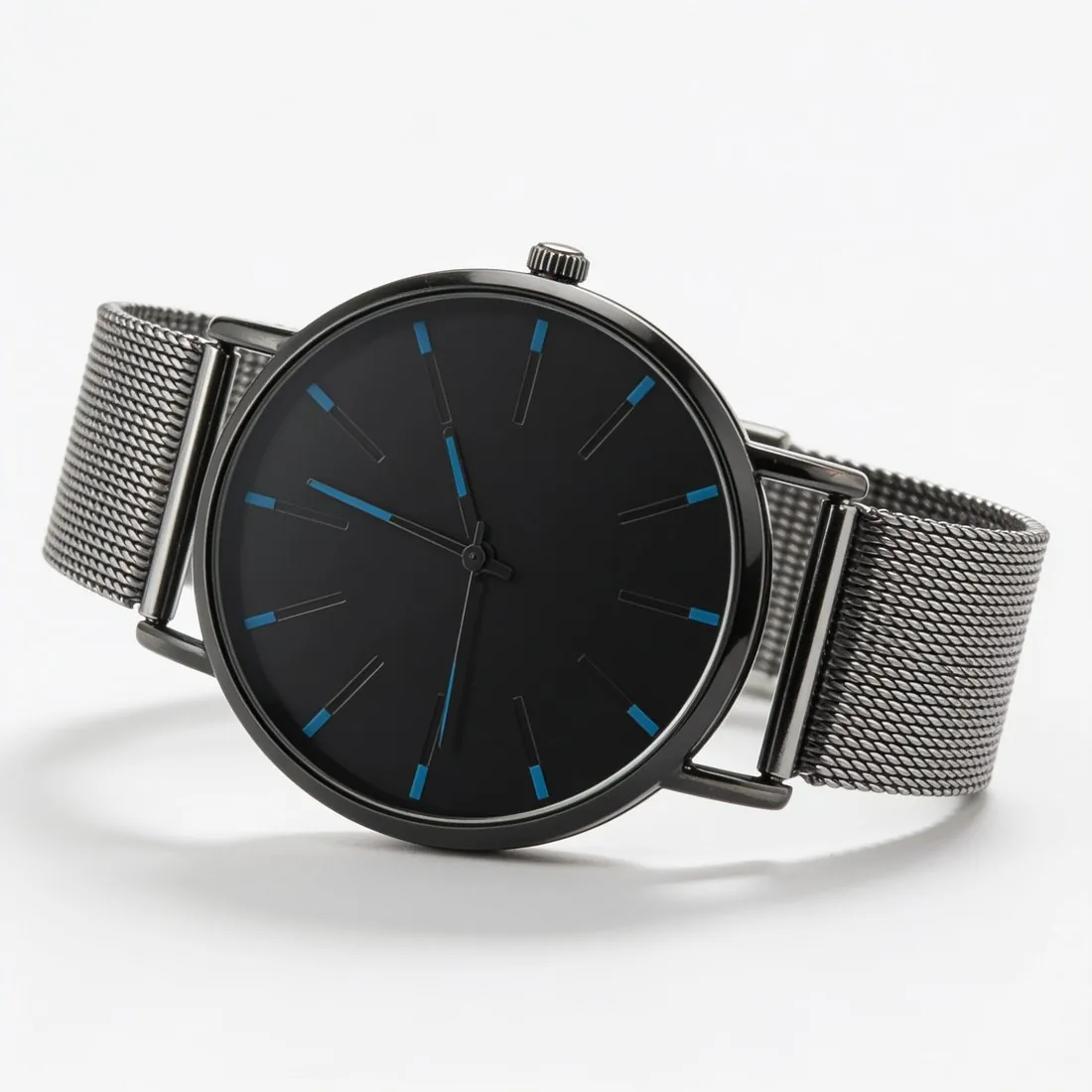
Black-dial watch with a mesh strap on white, three-quarter viewPackshot
A packshot is a product alone on a plain background. A plain flat lay of a garment on white is the form a packshot takes for clothing.
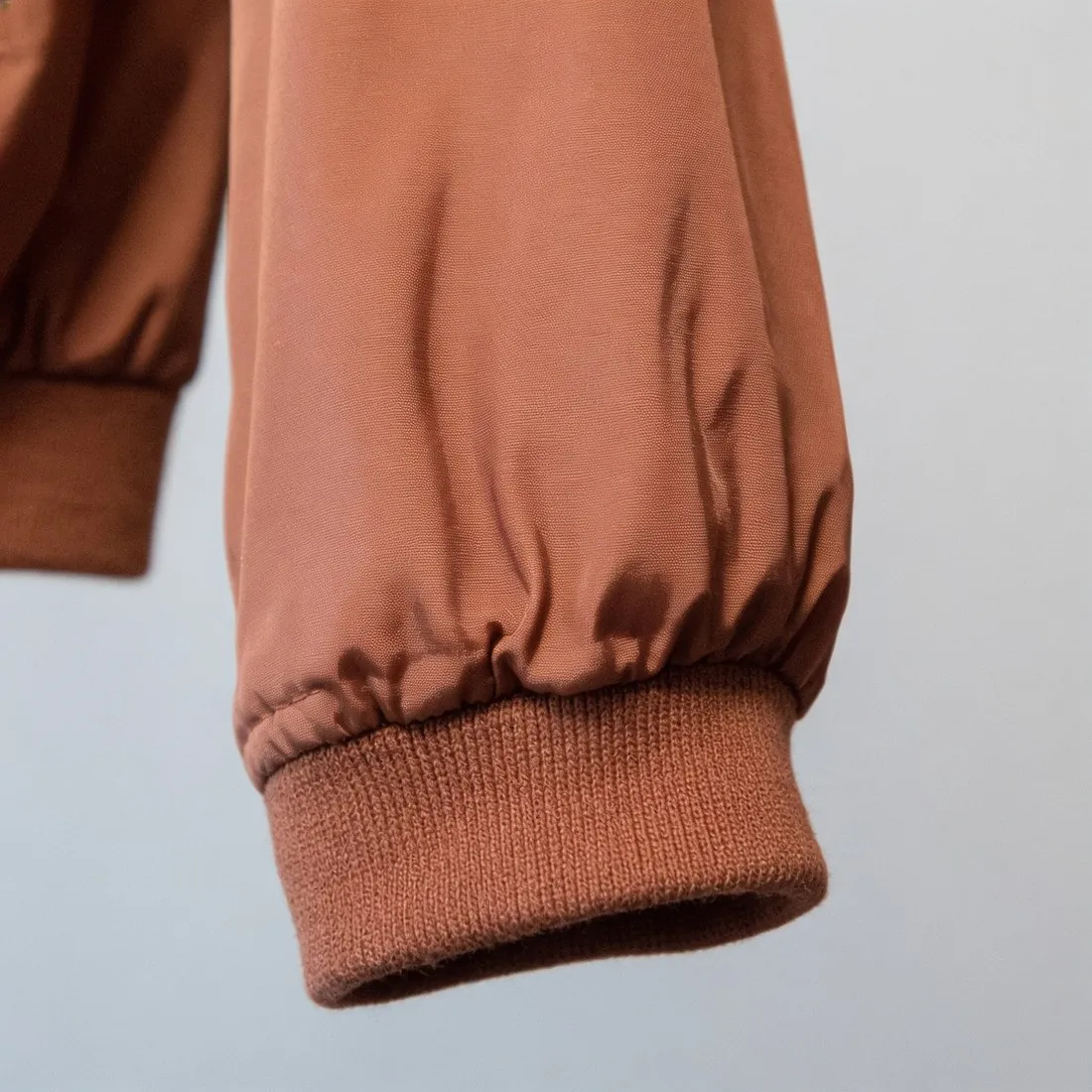
Close-up of the terracotta bomber jacket's ribbed sleeve cuffDetail shot
A detail shot gives one part of the product the whole frame. It is the natural companion of a flat lay, which shows the whole but not the weave or the stitching.

A checklist for a flat lay

  • The camera was directly above the product and parallel to the surface, so that hems and shoulders are not narrowed by perspective.
  • The fabric is smooth, with no creases from folding or packing, and the product lies symmetrically.
  • Sleeves, straps and cords are arranged so that the full outline is visible and nothing is tucked underneath.
  • The surface is plain and clean, and its colour contrasts with the product.
  • The light is even from edge to edge, without a bright corner or the shadow of the photographer.
  • The whole product is inside the frame, with space on every side.
Questions

Flat lay, answered.

Flat lay or ghost mannequin: which should I use for clothing?

Use a ghost mannequin image when shape matters and a flat lay when outline and print are enough. Structured pieces such as jackets, blazers and dresses lose their form lying flat, while T-shirts and accessories read well from above. A flat lay is also the simpler shot, and for some categories a marketplace asks for a flat presentation outright.

How do I take a flat lay photo of clothes with a phone?

Lay the garment on a plain surface and hold the phone directly above it, parallel to the surface. Smooth out creases, spread the sleeves so the whole outline shows, and use even daylight from a window without direct sun, so that no hard shadow falls across the fabric. Raise the phone until the whole garment sits inside the frame with room to spare; a tilted phone makes the hem look narrower than the shoulders.

Which products suit a flat lay?

Products that are flat by nature or easy to read as a shape: T-shirts, shirts, scarves, socks, children's clothes, jewellery, stationery and small accessories. Structured pieces such as blazers, coats and fitted dresses lose their form lying down and are usually shown on a ghost mannequin or on a model.

What background is used for a flat lay?

For a catalogue or a marketplace, a plain surface in white or a light neutral tone, so that the outline of the product is clear. For social media, wood, stone, linen or coloured paper give the picture a mood. In both cases the surface should be matt, clean and free of patterns that compete with the product.

Can a flat lay photo be turned into a ghost mannequin image?

Yes. The traditional route needs a mannequin and several shots; software can now build the worn shape from a flat photo. Herofab's Ghost mannequin works from a photo of the garment on a hanger or laid flat and delivers it with a 3D hollow-body shape or as a clean flat lay, on the backdrop you choose.

In marketplace rules

What marketplaces say about it.

Updated 25 September 2026

Amazon
Children's and baby form-fitting items are photographed lying flat and without models Official page
Amazon
Clothing accessories and multipacks are shown flat, without a model Official page
TikTok Shop
Children's form-fitting items are displayed flat Official page
Amazon
Folded products are not allowed in clothing main images Official page
Related
Free tools
Get started

Your next collection, shot this week.

20 credits at sign-up, no card required. Images made with free credits carry a watermark. Herofab also removes the watermark from those images once credits are purchased.