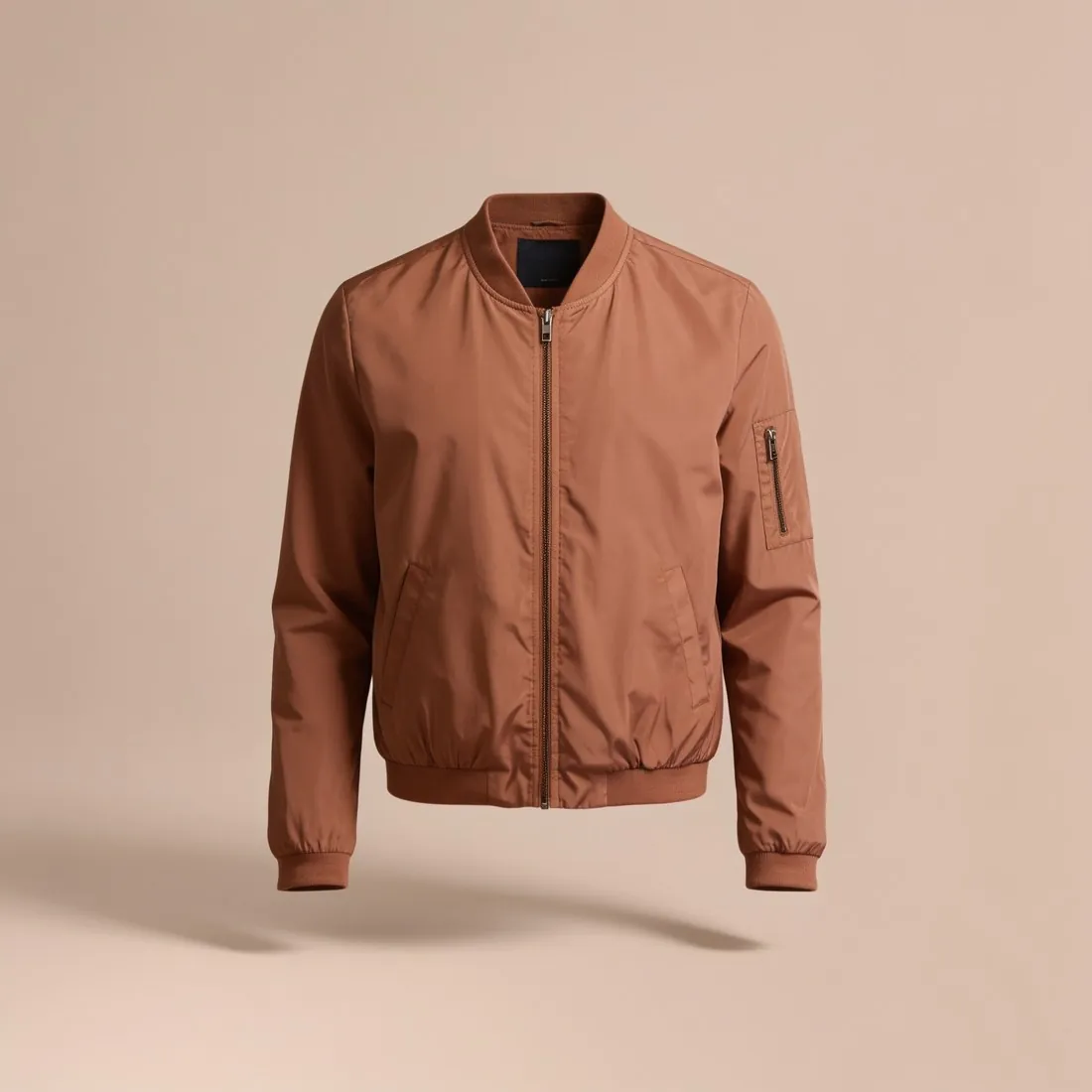
Traditionally, the garment is photographed on a mannequin, the neck and inner back are photographed separately, and the shots are combined in editing. The result shows shape and fit without a model.
It is a common format for packshots and additional images. On Amazon, however, adult clothing main images must be on a model, and no part of a mannequin may be visible.
What a ghost mannequin image shows
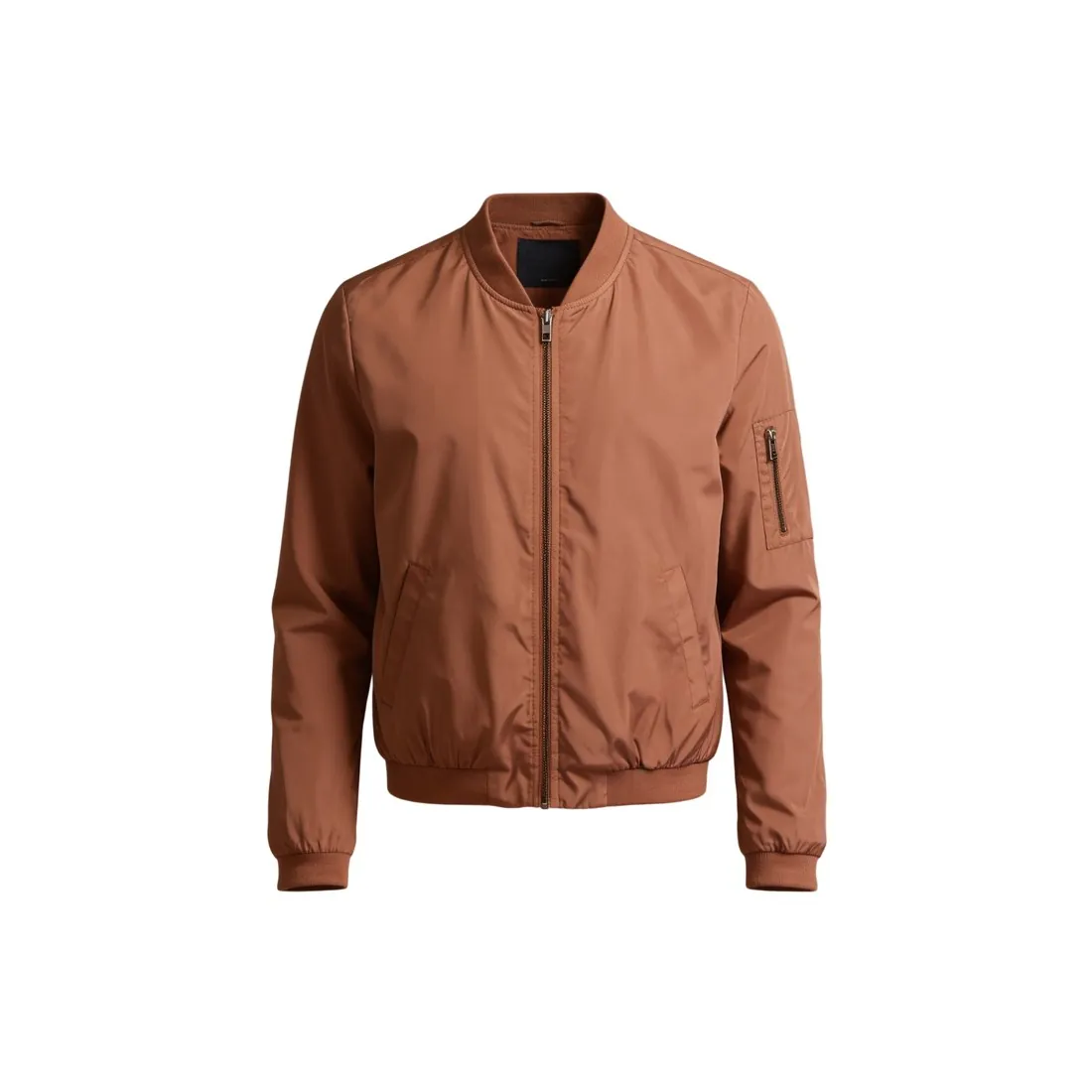
It shows a garment the way it looks when worn, without anyone wearing it. The shoulders are filled, the waist has its shape, the sleeves hang as they would on a body, and the inside of the neck or the lining is visible where a person's neck would be.
For a shopper this combines two things: the clear, undistracted view of a product-only photo and the sense of fit that otherwise needs a model. For a seller it makes a whole range look uniform, because no model, pose or expression varies from picture to picture.
How a ghost mannequin image is made
In the studio method the garment is dressed on a mannequin and photographed, then photographed again inside out or laid open to capture the inner neck and back. An editor removes the mannequin and joins the shots, so that the opening shows the inside of the garment and not a hole.
The software method starts from a simpler photo, on a hanger or laid flat, and builds the worn shape. It takes the mannequin and the second shot out of the process; what remains important is a source photo that shows the whole garment clearly.
Where it fits in a listing
The ghost mannequin image is a product-only picture, so it is a candidate for the first place where a sales channel wants the product alone; the channel's rule for clothing decides. It also works as an additional view, front and back, beside pictures on a model.
It suits structured garments most: jackets, blazers, coats, shirts, dresses and knitwear. Very soft or very flat pieces such as scarves and socks gain little from it and are usually shown as flat lays.
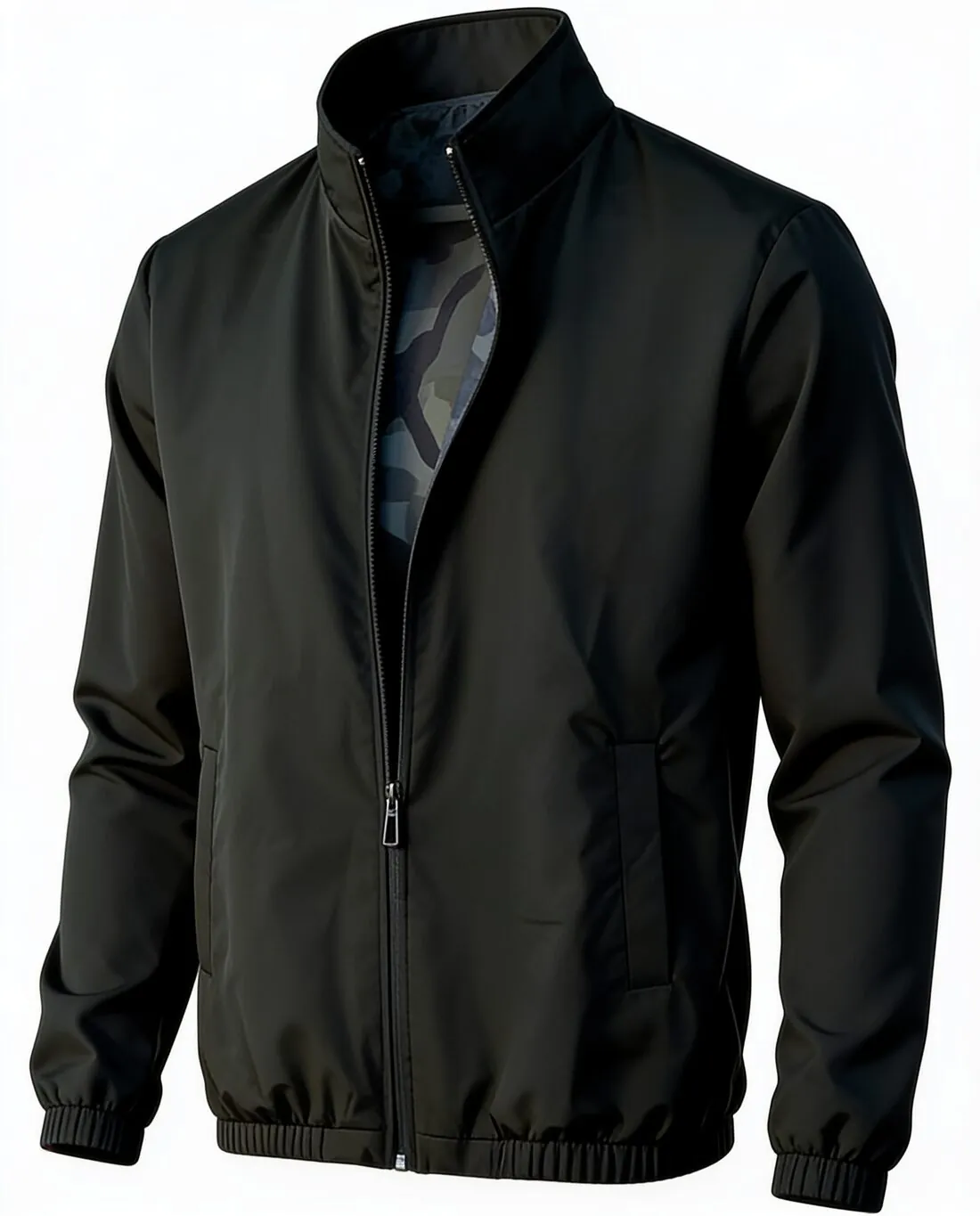
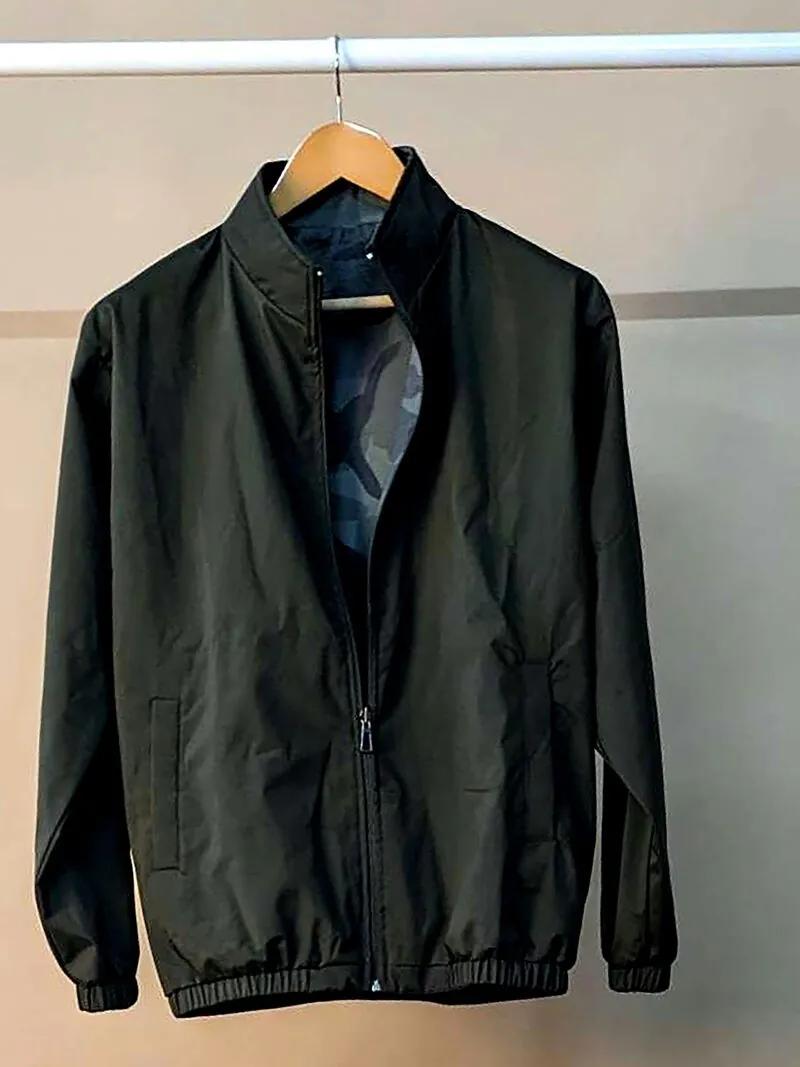
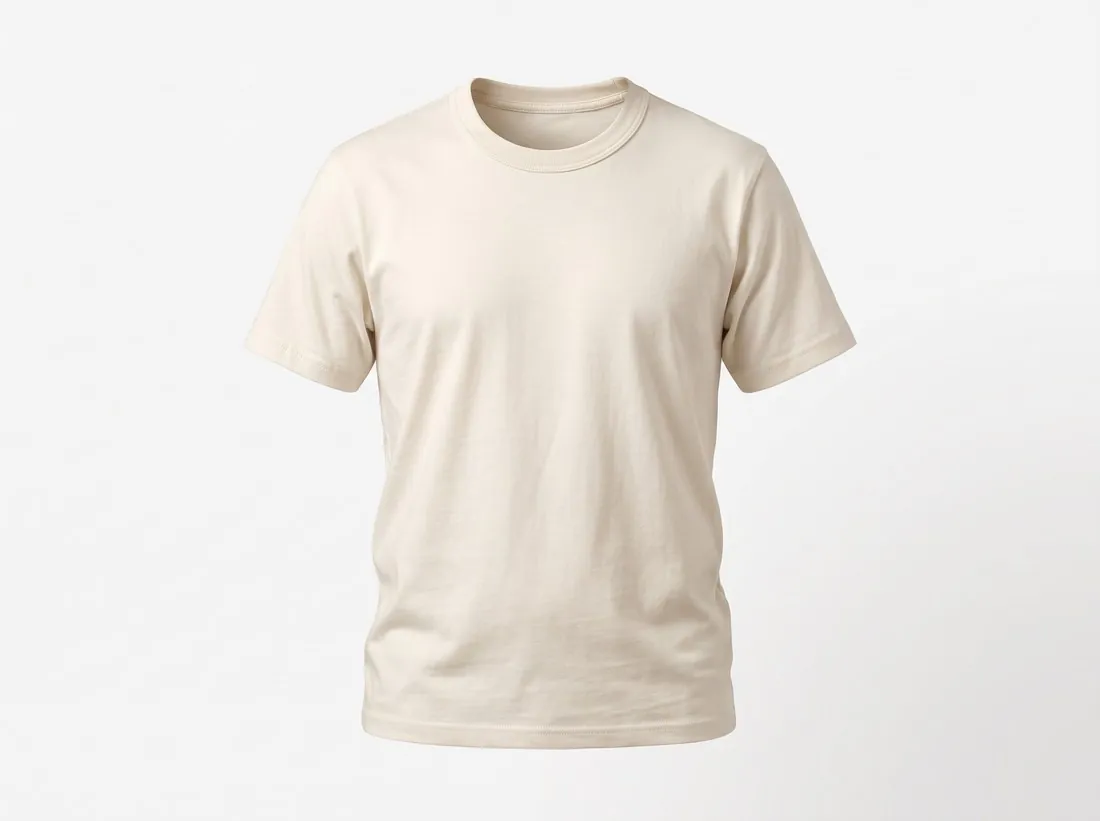
Two ghost mannequin images, each made from one photo of the garment: a bomber jacket and a T-shirt. Made with Herofab · Ghost mannequin
Ghost mannequin and other kinds of product photo
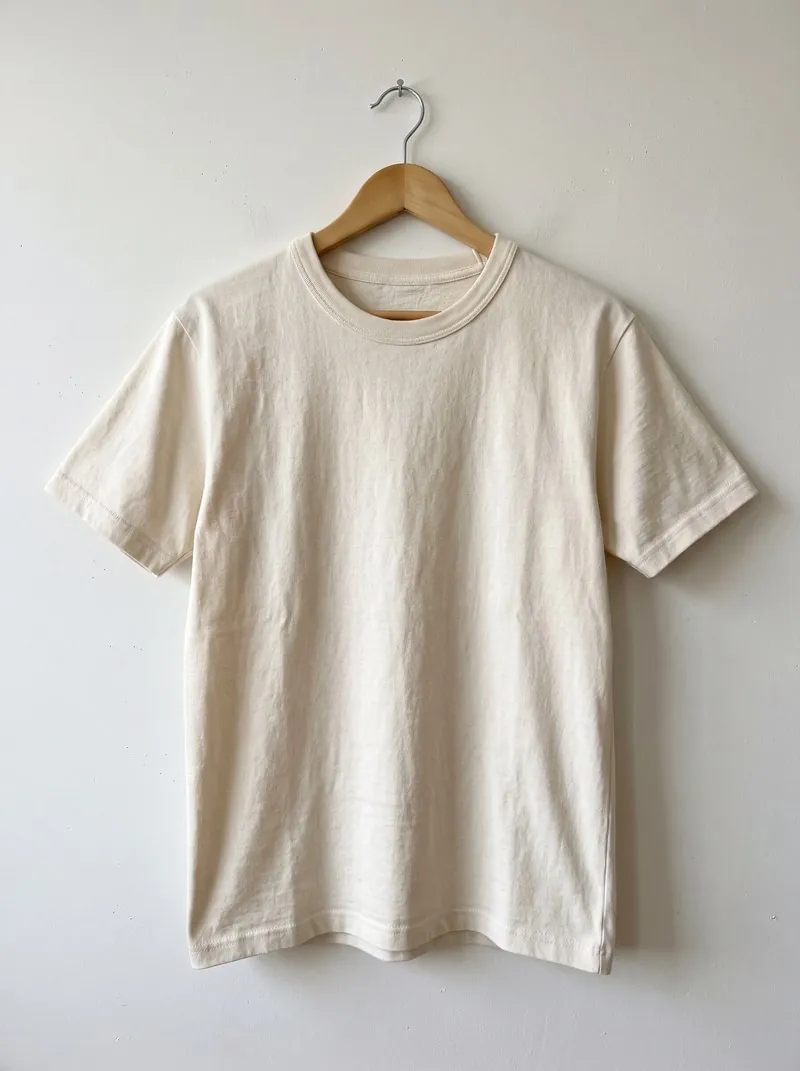
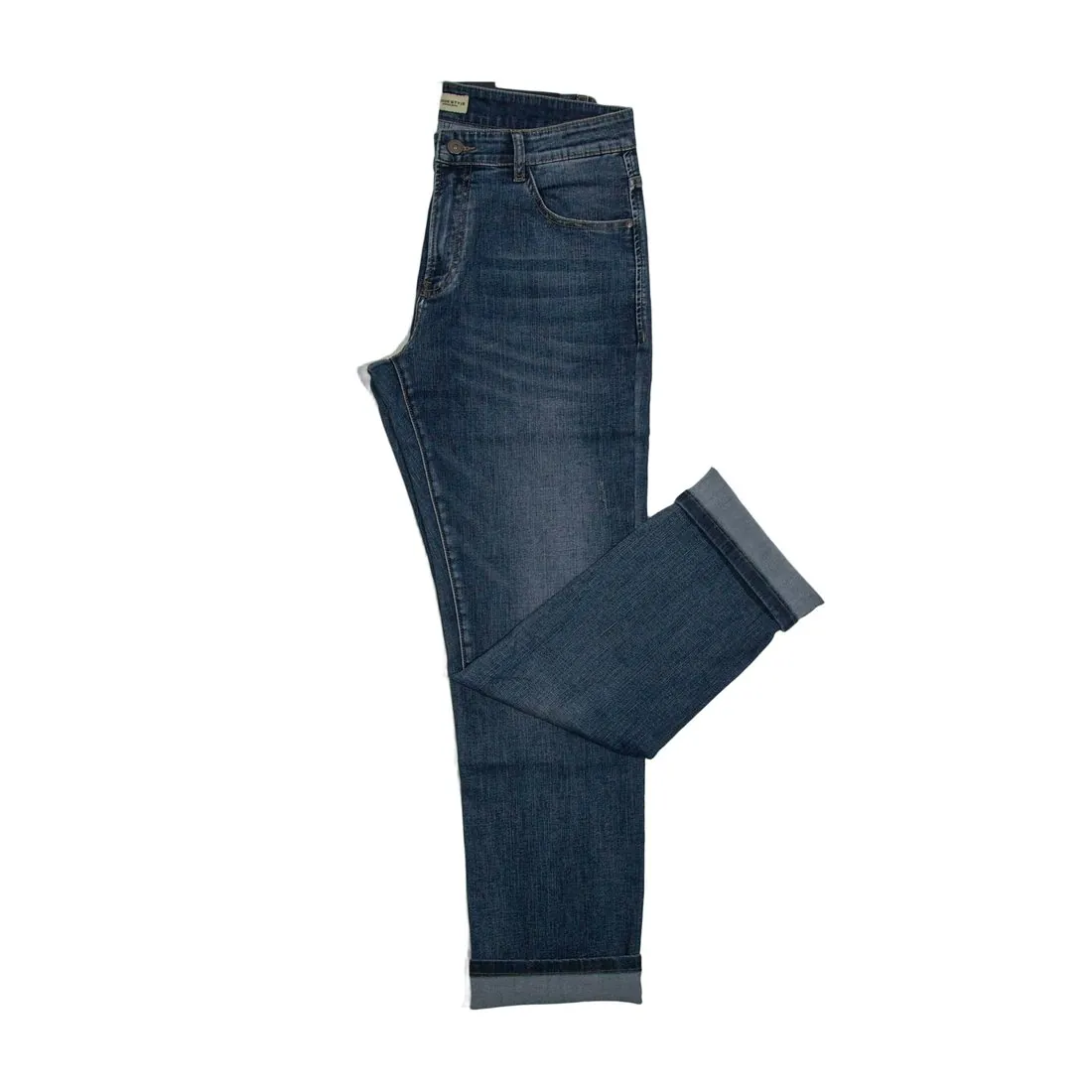 Flat lay
- A flat lay shows the garment lying flat, seen from above. It is quicker to make and shows outline and print, but not the volume that the ghost mannequin image adds.
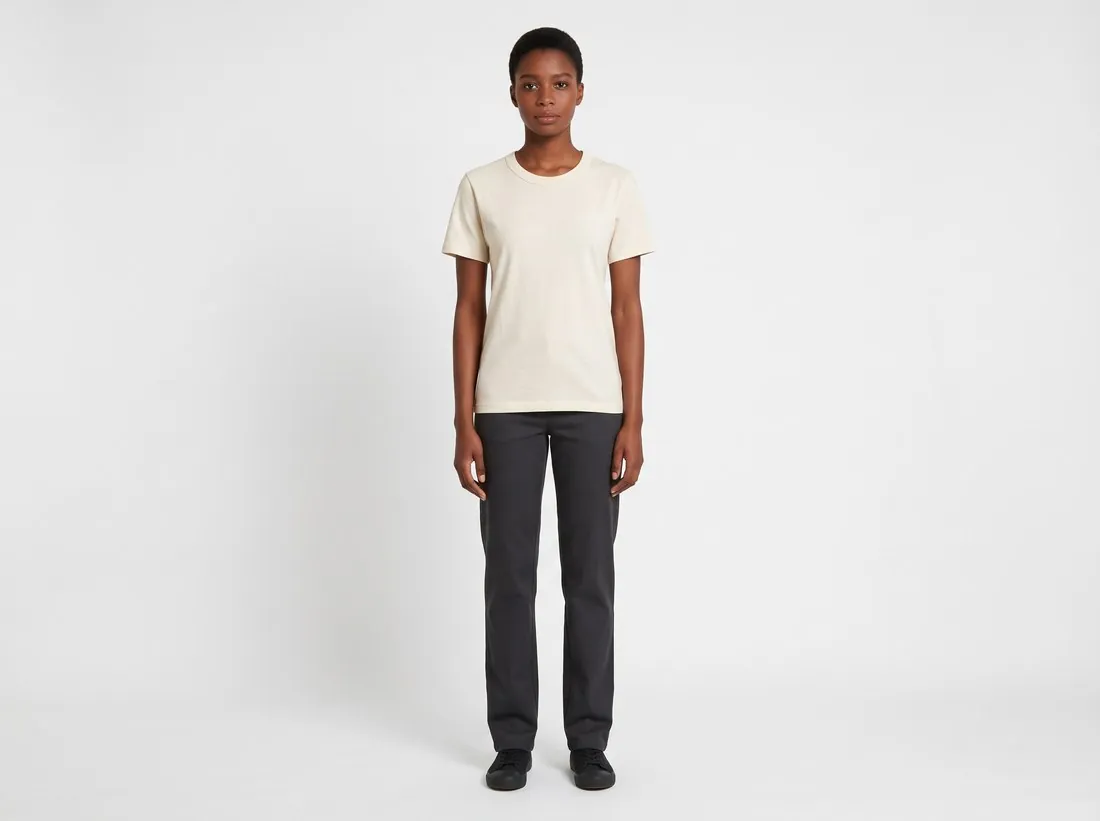 On-model image
- An on-model image shows the garment on a person. It tells more about fit and style and brings a model, a pose and a face into the picture; the ghost mannequin image keeps the attention on the garment.
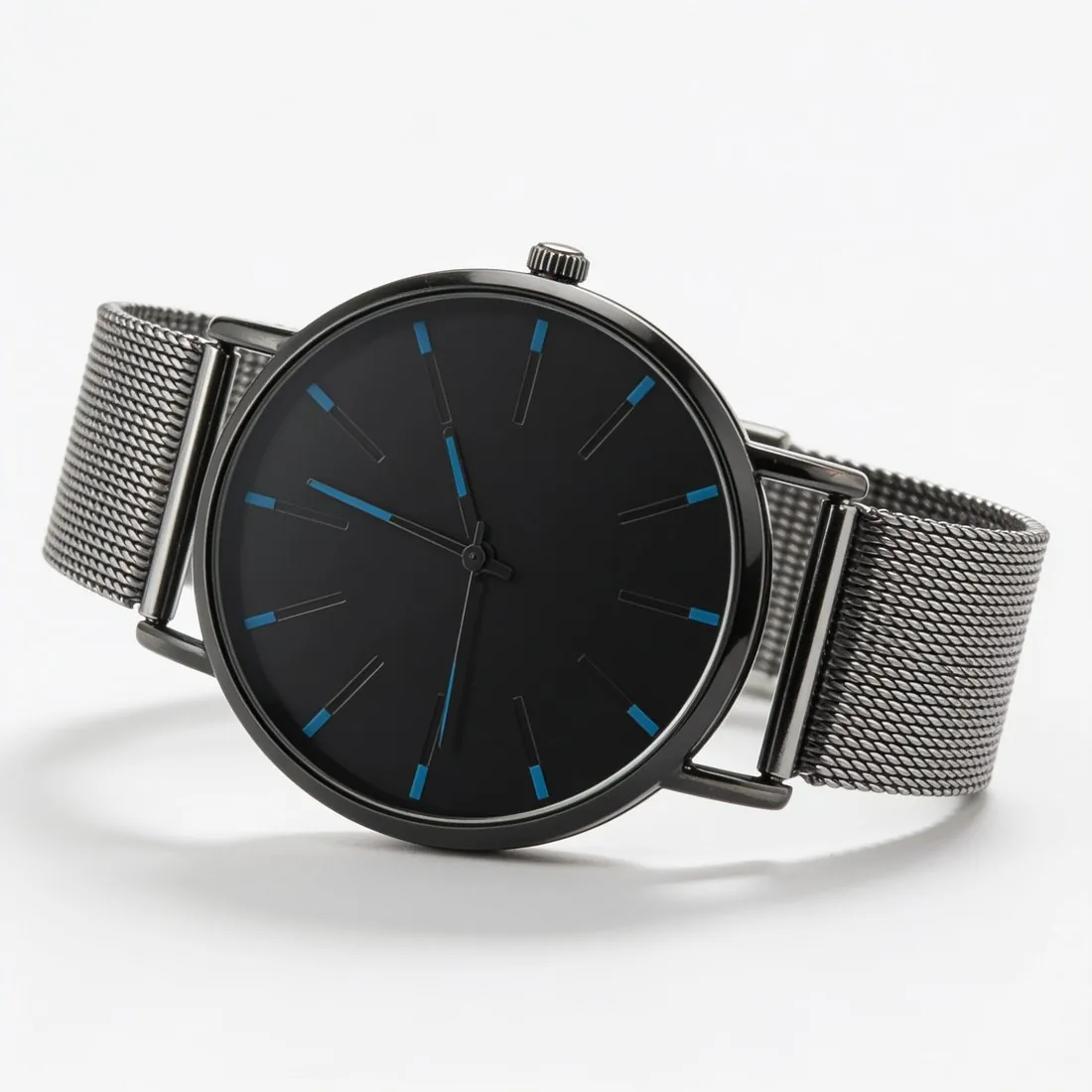 Packshot
- A packshot is a product alone on a plain background. A ghost mannequin image on white is the form a packshot takes for structured clothing.
 Cut-out image
- A cut-out is a product separated from its background. Every ghost mannequin image involves a cut-out, of the garment from the mannequin and from the studio behind it.
A checklist for a ghost mannequin image
- No part of a mannequin, hanger, clip or stand is visible, including inside the neck and at the cuffs.
- The neck opening shows the inside of the garment, with the label or the lining where it really is.
- The garment is symmetrical: shoulders level, sleeves the same length, hem straight.
- Buttons, pockets, zips and prints are in their real number and place, compared with the garment itself.
- The fabric looks pressed and falls naturally, without the stiffness of an over-filled shape.
- The background and the light match the other pictures of the range.