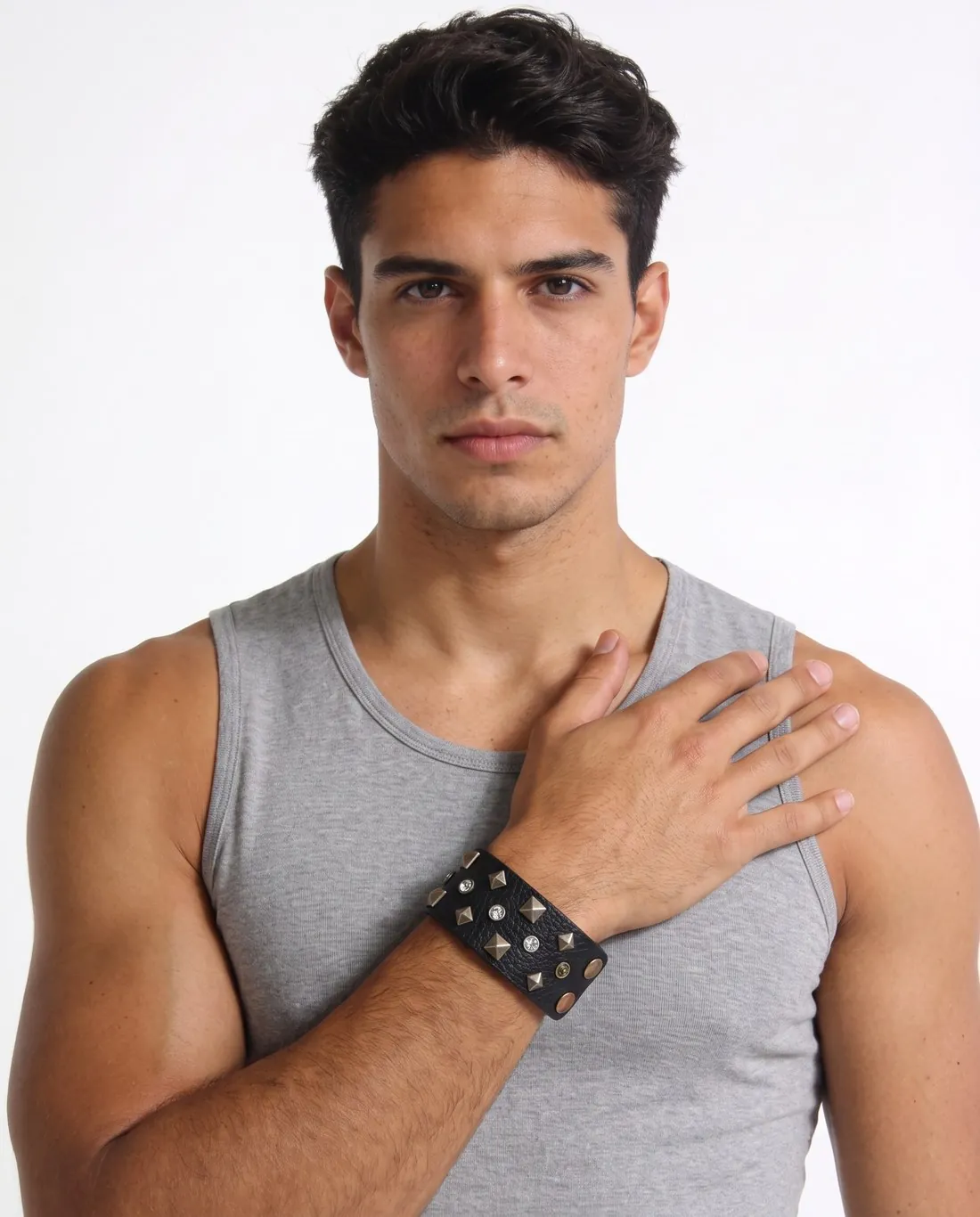
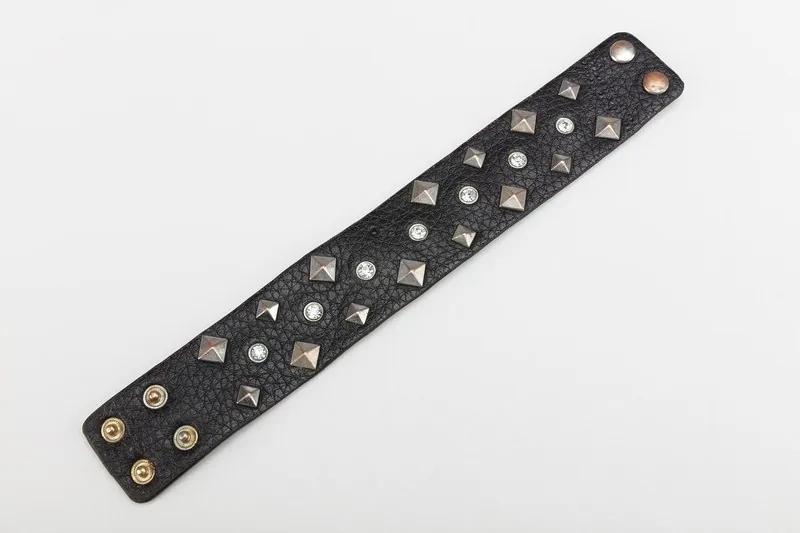
Artifacts arise because the model draws a likely image instead of recording a real one. The usual ones in fashion images are hands with extra or fused fingers, lettering on labels and prints that turns into lookalike characters, logos that change shape, buttons and eyelets in the wrong number, straps or chains that melt into skin or fabric, earrings that do not match, and patterns that break at seams. In scenes, shadows fall the wrong way and reflections show objects that are not there.
Some artifacts are cosmetic; others change the product. A misdrawn hand makes an image look cheap, while a changed print, a missing pocket or a different clasp shows the buyer an item that does not exist. Several marketplaces name such distortions as a reason to reject AI images, and buyers who spot one tend to distrust the rest of the gallery.
Most artifacts are invisible in a thumbnail and obvious at full size. A practical check opens every image at full size and compares it with the real product part by part: lettering and logos, fastenings, the count of repeated elements, the edges where product meets skin or background, hands and faces, and the run of a print across seams. A small artifact can often be repaired by regenerating only that area; an image in which the product itself is wrong is replaced, not repaired.