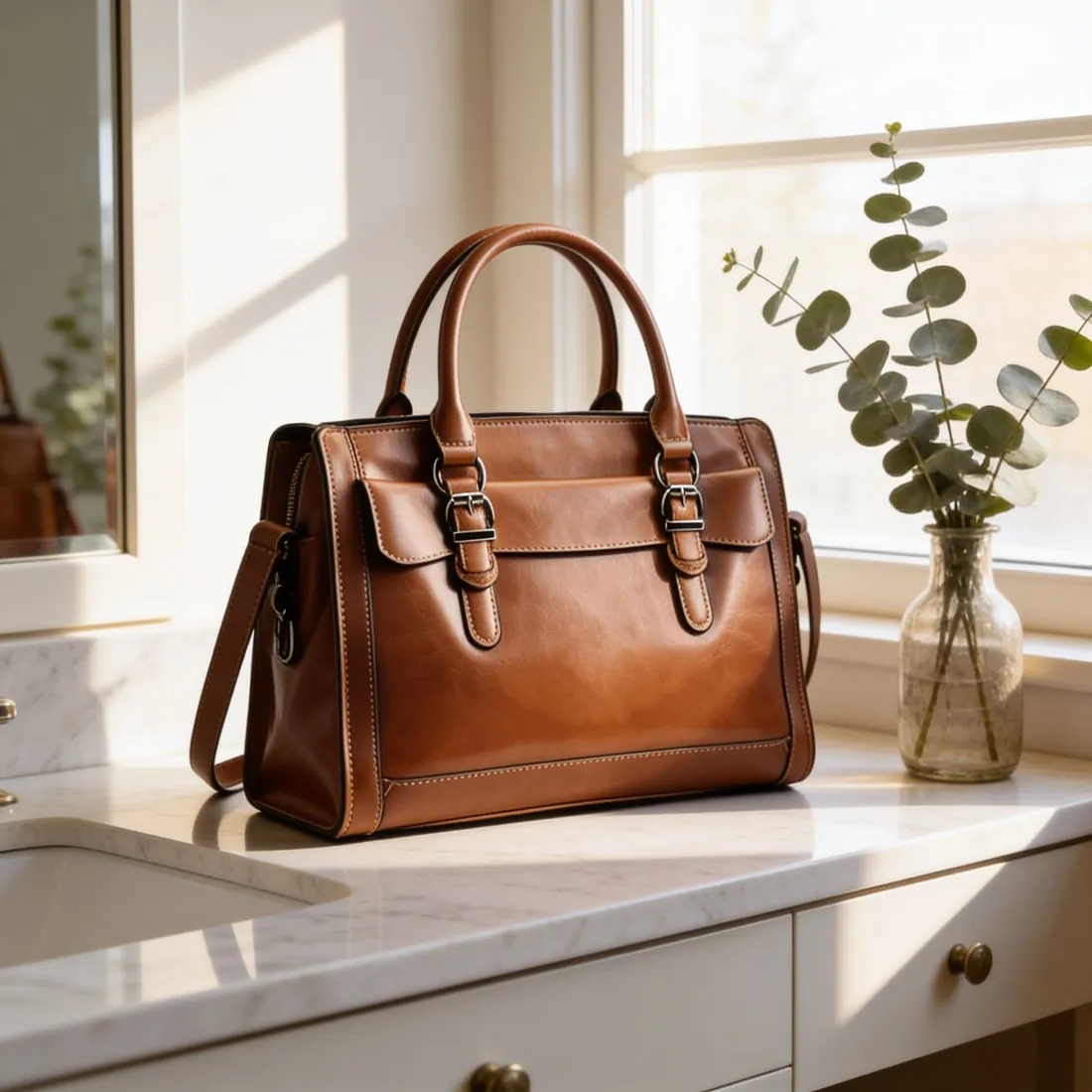
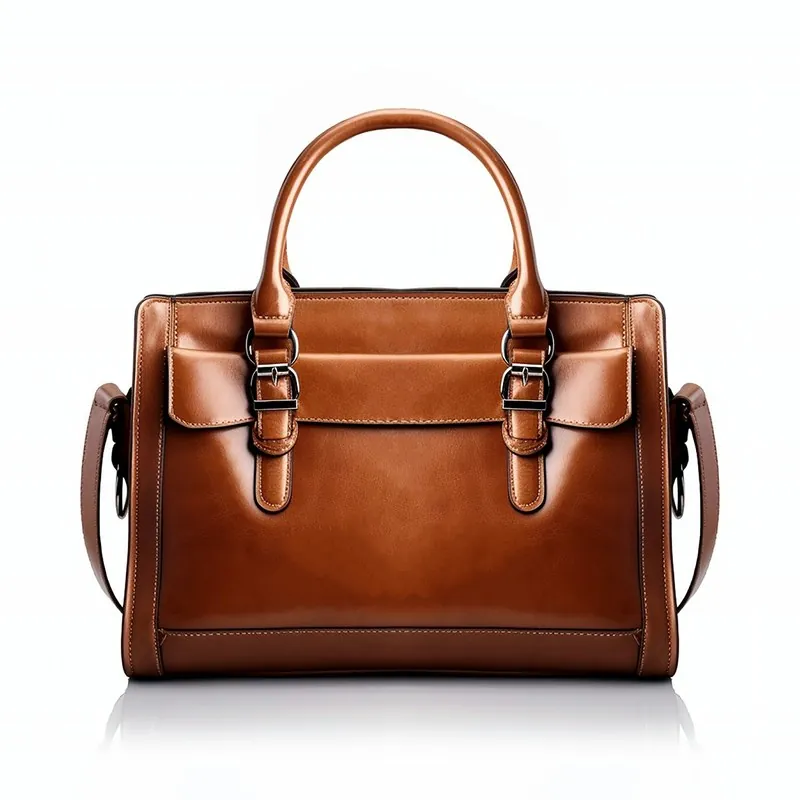
A text-to-image model turns words into pixels. It has learned from very large collections of images and captions what a phrase such as a linen shirt on a stone terrace at dusk usually looks like, and it draws a new picture that fits the description. The result is new in its arrangement but built from patterns, not from a particular object, so it can show a plausible shirt but not the seller's shirt.
That is the central limit for product images. A product generated from text alone is invented: it differs from the real item in cut, colour, pattern, hardware and label, and it cannot stand for that item in a listing, however close it looks. Many marketplaces require images to show the actual product, and several allow AI only for backgrounds, scenes or models around a real product photo. Rules on disclosing and labelling AI images also differ between marketplaces.
Text-to-image suits what has no single true form: backgrounds, props, mood scenes, textures and patterns, or a set for a campaign. For the product itself the dependable route is image-to-image, where a photo of the real item is the starting point. Where a generated scene serves as the backdrop for a cut-out of the real product, its light direction, shadows and perspective have to match the product photo, or the product looks pasted in.