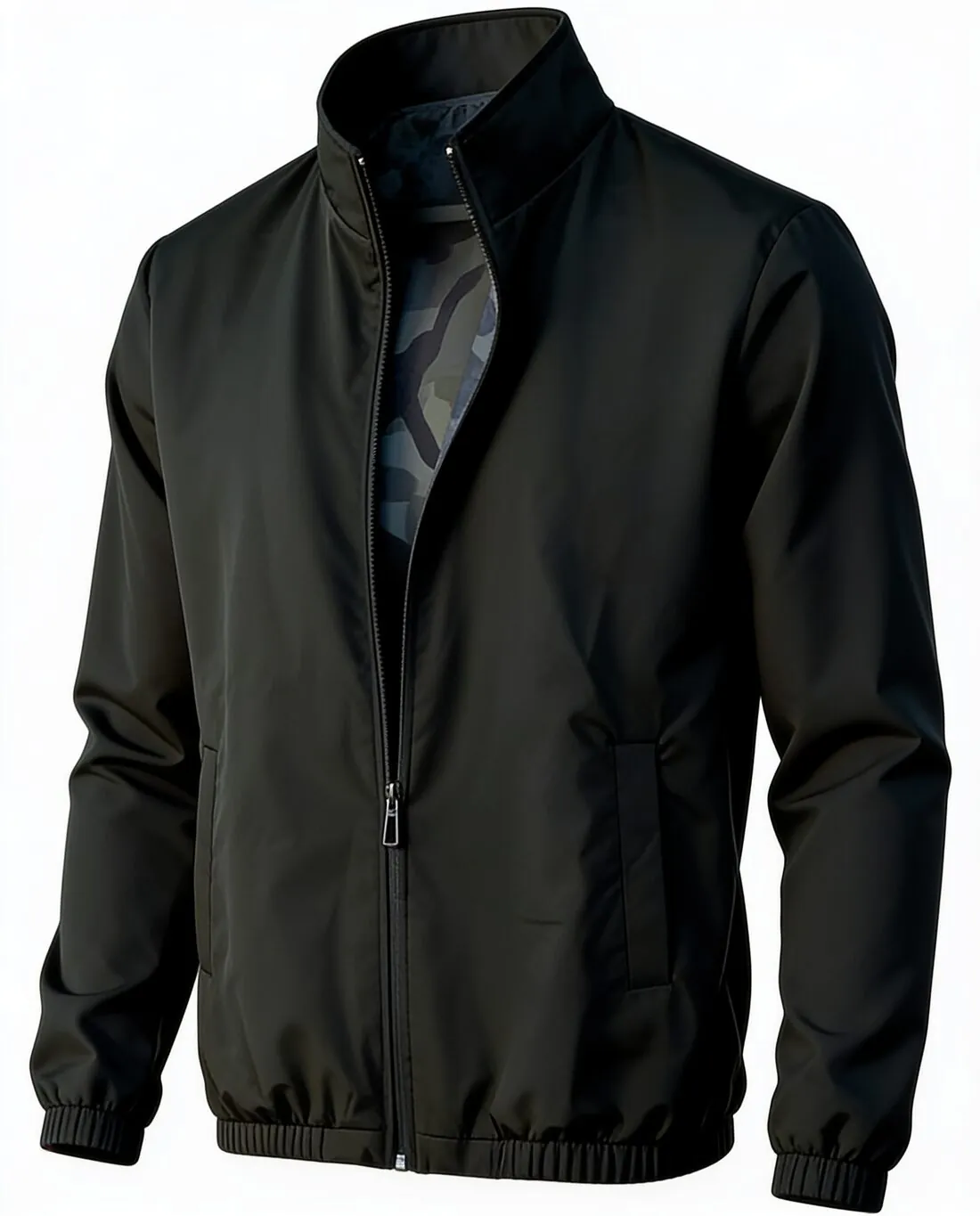
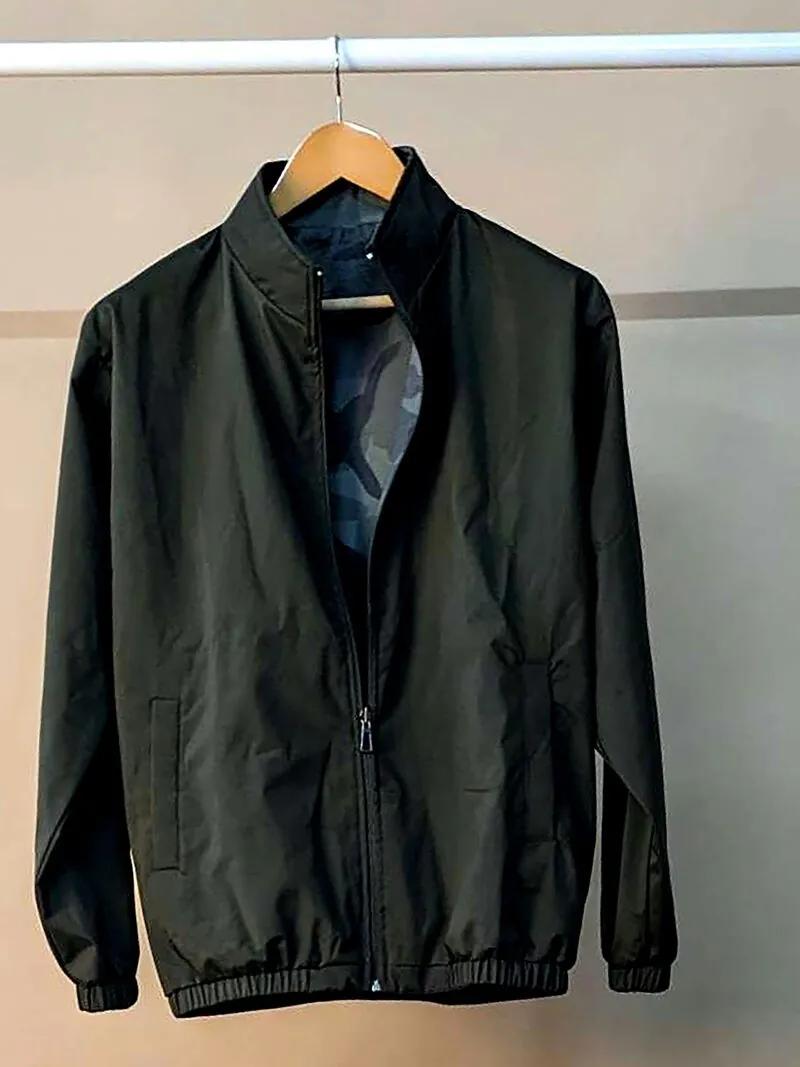
Several forms are in use: a full-body mannequin, a torso dress form without arms or legs, and busts and neck forms for necklaces, earrings and scarves. Each gives a garment shoulders, a chest and a waist, and it gives the same shape to every product in a collection, which models do not. The colour of the form matters: a neutral form that contrasts with the garment keeps its outline clear, and dark velvet busts make gold and silver jewellery stand out.
As a finished image, a visible mannequin divides marketplace rules. Many fashion marketplaces exclude it from main images and model views, while others ask for bust views of certain products or recommend mannequin views for jewellery. The fit of the form decides the result: a garment too large for the form sags and wrinkles, one too small pulls at the buttons, and the pins and clips that take in fabric at the back must not show from the front.
As a source photo, the mannequin shot is the traditional start of a ghost mannequin image: the garment is photographed on the mannequin, the neck and inner back are photographed separately, and the mannequin is removed in editing. It is also a good starting point for an on-model image, because it already shows the garment's shape. A straight front angle, even light and a form that shows through no openings in the garment make either result easier.