Coats from collar to hem, on no mannequin at all.
A coat is the longest garment in most catalogues and the hardest to hang at full length. Herofab works from a hanger or flat-lay photo and delivers the coat with a 3D invisible-mannequin shape, so the length, the lapels and the belt are shown without a form or a model.
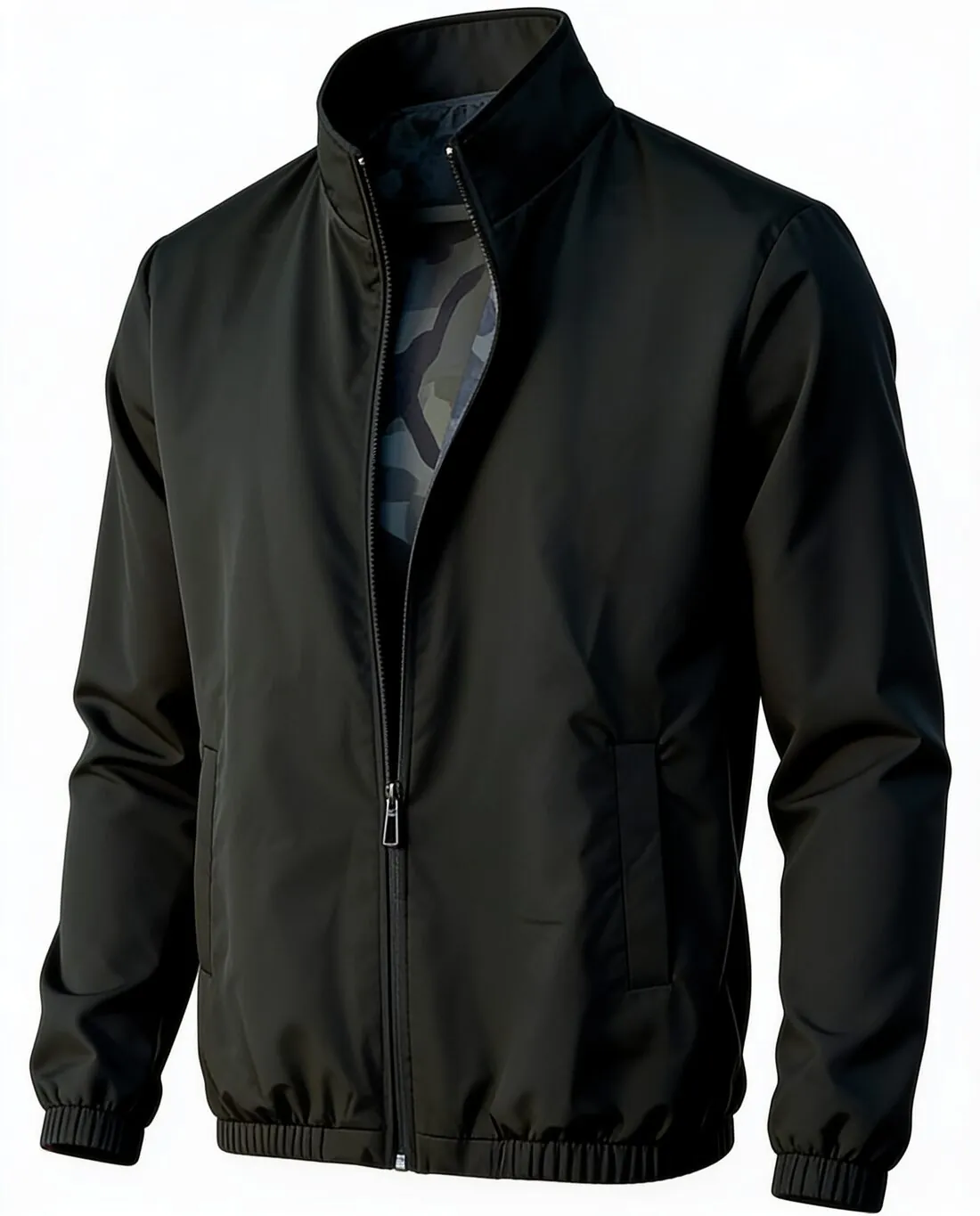
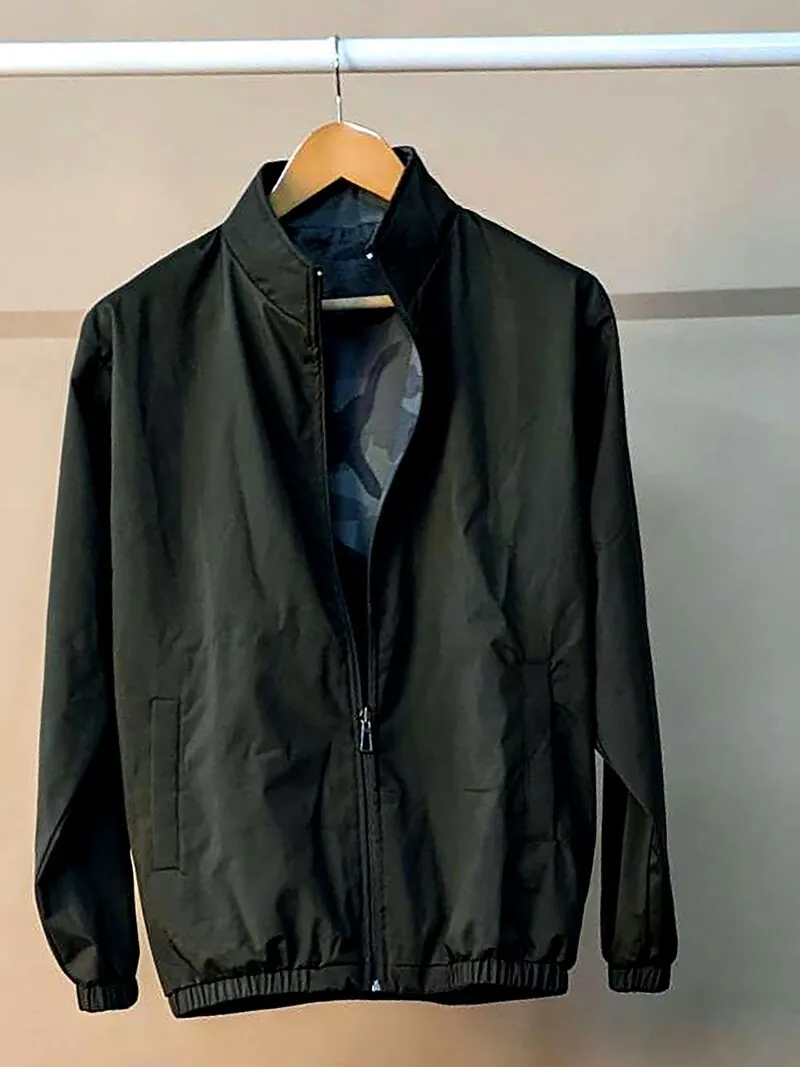
What a coat image needs to hold.
- 1
Full length inside the frame
Length is what a buyer of a coat compares first. The hem must be in the source photo, because a part outside the frame cannot be added back faithfully. A portrait aspect ratio gives a long coat more room than a square one.
- 2
Lapels, collar and front closing
Notch lapels, a funnel collar or a double-breasted front decide the character of the coat. Herofab is briefed to keep them and the buttons; on a double-breasted coat, check both rows and the direction in which the fronts overlap.
- 3
Belt, vent and pockets
A tie belt, belt loops, welt or patch pockets and a back vent are the details that separate one coat from the next. Look at how the belt is tied in the result, and use the back view when the vent or a half belt is part of the design.
Getting a whole coat into one photo.
- Hang the coat high, on a door or a rail, so the hem clears the floor and falls straight; step back until collar and hem both have space around them.
- Button the front and tie or buckle the belt at the waist; a belt left dangling to one side is read as part of the outline.
- Photograph the back for the vent and half belt, and take a close-up of the fabric when it is a herringbone, a bouclé or a check.
Ghost mannequin for coats, answered.
How do I photograph a long coat with a phone?
Hold the phone upright at about the middle of the coat's height and move back until the whole garment fits, instead of tilting the camera down from above. A phone photo is enough; what matters is that collar, sleeves and hem are all visible and unfolded.
Does the belt have to be tied in the source photo?
It should be shown the way it is meant to appear. The tool is briefed to keep the belt as photographed, so a tied belt gives a tied belt, and a belt left out of the photo cannot be recreated faithfully. Thread it through its loops and keep both ends in view.
Is the flat-lay style useful for a coat?
For most coats the 3D shape is the clearer choice, since it shows the shoulders and the long skirt of the coat with volume. A flat lay can suit unstructured pieces such as a wrap coat or a quilted liner, where the spread shape explains the cut.
How much does it cost?
4 credits per image, plus one credit for 4K. The cost is shown before you generate, and if a job fails the credits are returned. The 20 free credits at sign-up cover 5 images with this tool.
Your next collection, shot this week.
20 credits at sign-up, no card required. Images made with free credits carry a watermark.