Blouses given a body shape, without a body.
Light fabrics hang limp on a hanger, and a blouse loses the fullness of its sleeves and the line of its neck. Herofab turns that photo into a 3D hollow-body image or a tidy flat lay, set on white, grey, black or beige, and is briefed to keep the fabric, the buttons and the trims.
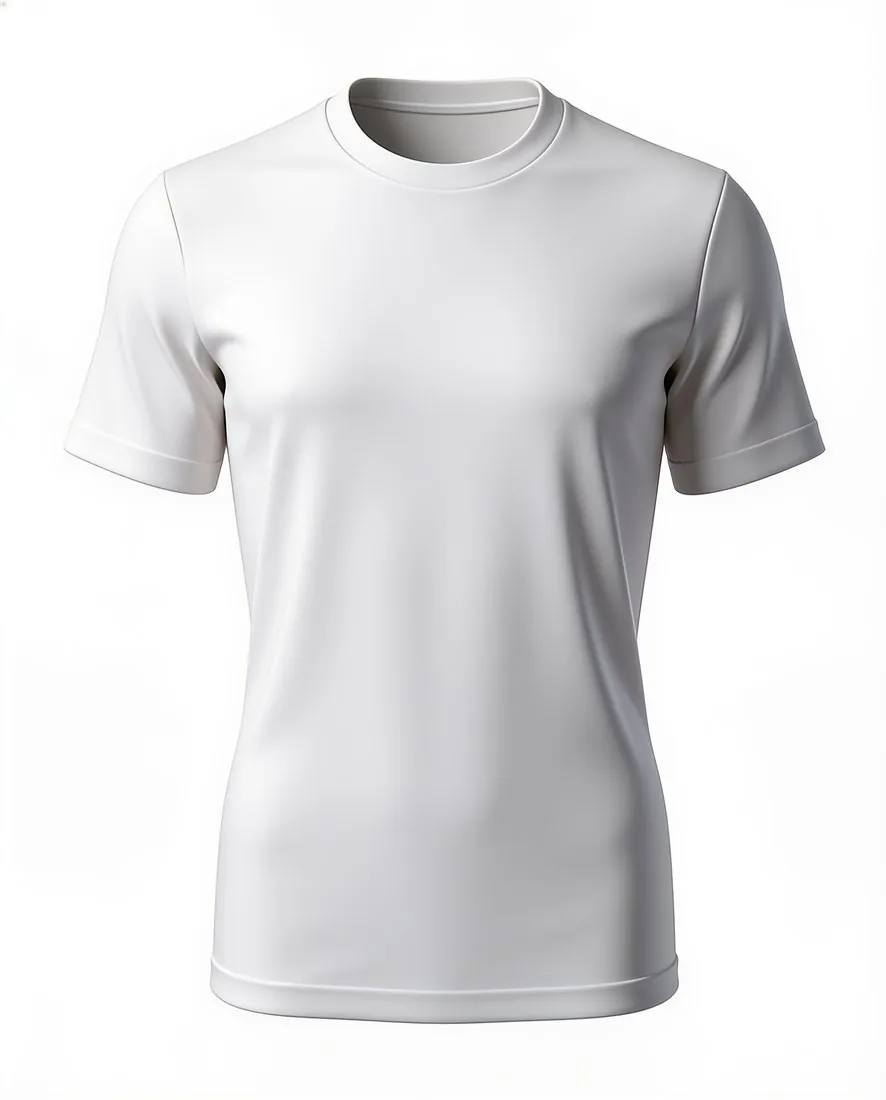
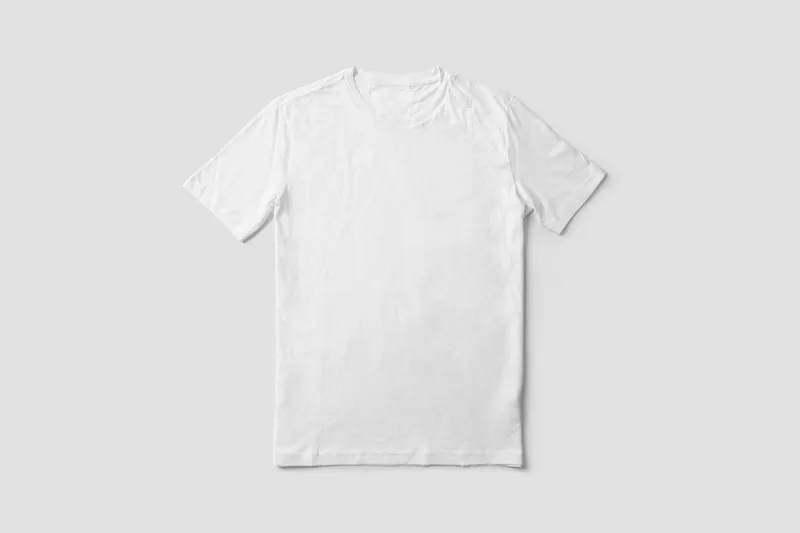
What soft fabric needs from a hollow shape.
- 1
Neck opening, bow and collar
The hollow shape opens the neck, so the inside back of the blouse and its label area come into view. A hanger photo seldom records them, and the tool renders that part. Look there first, then at a tie neck or bow: it should hang as two ends of the same cloth as the body.
- 2
Sleeve fullness and gathers
Gathers at the shoulder, a blouson sleeve or a deep cuff are what distinguish one blouse from the next. In the 3D style the sleeve is given volume; make sure that volume sits where the gathers are sewn, and that both cuffs kept their buttons or their elastic.
- 3
Button band and sheer cloth
A concealed band, covered buttons or tiny loops run down the front and are small in the frame; count them against the garment. On chiffon and voile the backdrop shows through a single layer, so sheer sleeves read lighter on white and darker on black.
Photographing a blouse for the hollow-body style.
- Steam the blouse and put it on a hanger as wide as its shoulders; a narrow hanger pokes into the sleeve head and changes the shoulder line.
- Fasten the front, tie a neck bow loosely so both ends are visible, and spread each sleeve away from the body until its whole outline is clear.
- Shoot a second frame of the back when it has a keyhole, a button closure or a gathered yoke, since the back view is built from that photo.
Ghost mannequin for blouses, answered.
Is a sheer blouse better on a white or a dark backdrop?
That depends on the colour of the cloth. A see-through fabric lets the backdrop show through, so a pale chiffon keeps more contrast on grey or beige than on white, and a black mesh reads clearly on white. See-through areas are among the details to check first, on whichever backdrop is chosen.
Can a camisole lining stay under the blouse in the photo?
The source should show one garment. A separate camisole is a second item overlapping the first, and it hides the inside of the blouse. Photograph the blouse alone unless the lining is sewn in, in which case it is part of the garment and belongs in the picture.
Does a flat lay suit a blouse with voluminous sleeves?
Both styles are available. The 3D invisible-mannequin shape gives a puffed or bishop sleeve the roundness it has in wear, which a flat lay presses out. The flat-lay style is the calmer choice for boxy, straight-cut blouses, where the width of the body is what the listing describes.
How much does it cost?
4 credits per image, plus one credit for 4K. The cost is shown before you generate, and if a job fails the credits are returned. The 20 free credits at sign-up cover 5 images with this tool.
Your next collection, shot this week.
20 credits at sign-up, no card required. Images made with free credits carry a watermark.