A tunic at its full length, hollow from neck to hem.
A tunic is longer than a top and shorter than most dresses, and the image has to make that length plain. Herofab turns a hanger or flat-lay photo into a 3D invisible-mannequin image or a clean flat lay, with the neckline open and the whole line of the garment inside the frame.
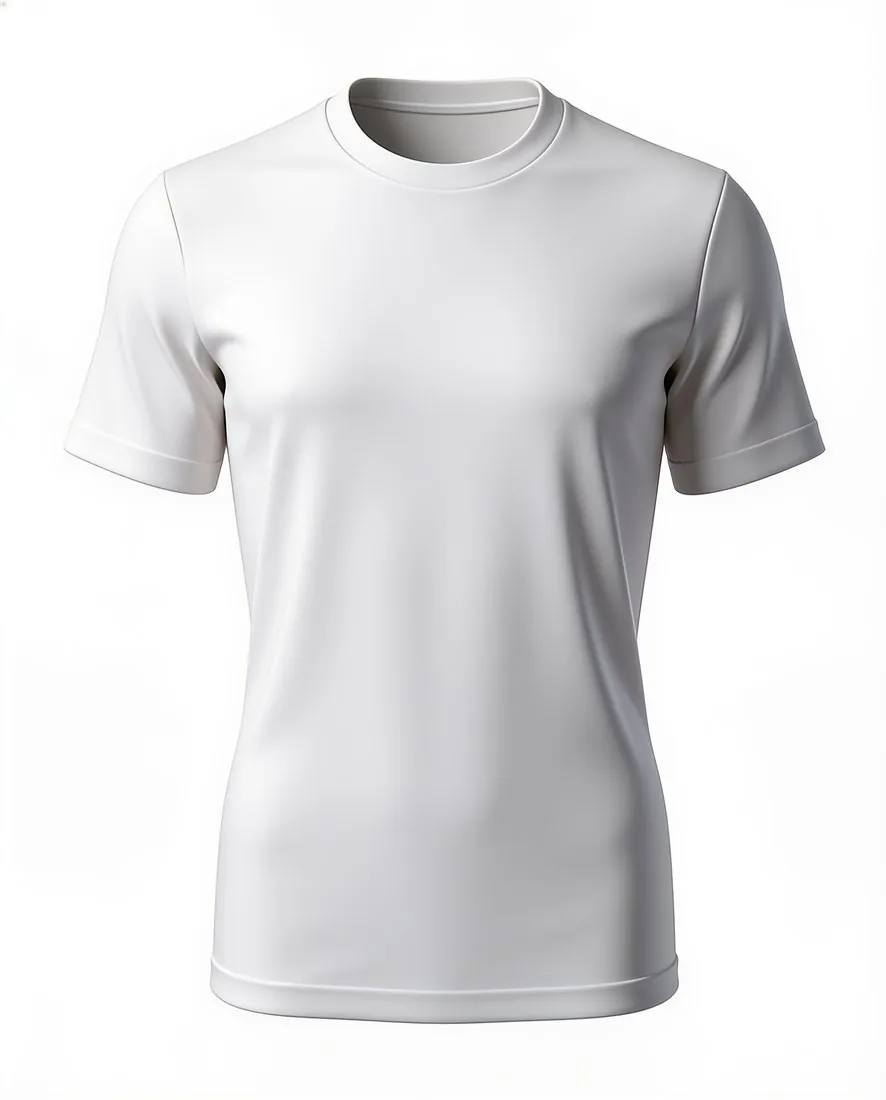
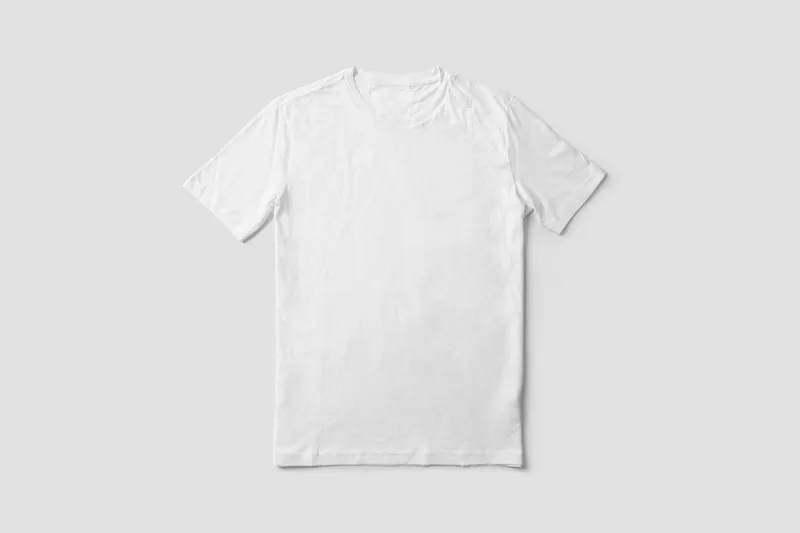
The parts of a tunic a buyer looks for.
- 1
The long line
Length is what tells a tunic from a blouse. The hollow shape should end where the garment ends, at the hip, the thigh or the knee, with the hem it has: straight, curved or longer at the back. Compare the proportion of body to sleeve in the result with the tunic itself.
- 2
Side slits
Slits at the side seams close when a tunic hangs still and can vanish into the outline. In the 3D style they should appear as openings at both sides, equal in height. Compare how high they run with the real seams, and see that a tunic without slits has not gained any.
- 3
Neckline placket and embroidery
A notch, a split neck or a band collar over a short button placket: the neck is the decorated end of a tunic, and its inside shows through the open neckline. Embroidery at the neck or along the hem is fine detail briefed to be kept. Read it at full size, one motif at a time, and count the placket buttons.
Photographing a tunic for the hollow shape.
- Hang the tunic on a hanger that matches its shoulder width, high enough for the hem to hang free, and leave space above the collar and below the hem.
- Fasten the placket as it is worn and let the side slits fall naturally; pin nothing back, since a pinned edge is read as the shape of the garment.
- Add a close-up of the embroidered neck or hem border, and a back photo for a yoke, a pleat or a button at the nape.
Ghost mannequin for tunics, answered.
Which backdrop shows white-on-white embroidery?
A white tunic with tone-on-tone thread work needs a ground that is not white. Grey or beige gives the cloth an outline and keeps pale thread work readable; black gives the strongest contrast for pale cotton. Coloured embroidery on dark cloth reads clearly on white.
Can a tunic with a tie belt or tassels be shown?
Yes, as photographed. Tie the belt or let the cords hang the way the listing should show them, with both ends in view; ties tucked behind the garment are not in the source. Tassels and fringe are fine edges, among the details to look at closely on the result before it is published.
How does a sheer voile or chiffon tunic come out?
See-through fabric is one of the details to check with care. In a hollow shape the backdrop can show through a sheer front, so the backdrop colour changes how the cloth reads. Compare the opacity of the result with the real tunic, and look along the hem edge and the sleeve ends, where thin fabric is finest.
How much does it cost?
4 credits per image, plus one credit for 4K. The cost is shown before you generate, and if a job fails the credits are returned. The 20 free credits at sign-up cover 5 images with this tool.
Your next collection, shot this week.
20 credits at sign-up, no card required. Images made with free credits carry a watermark.