Knitwear details, stitch by stitch.
Knitwear is chosen by hand feel, and online the stitch has to stand in for it. Herofab frames the knit, a ribbed cuff or hem, or the finish of the neckline as a close-up from a product photo or a delivered image, with the brief to keep the stitch pattern and the yarn as the source shows them.
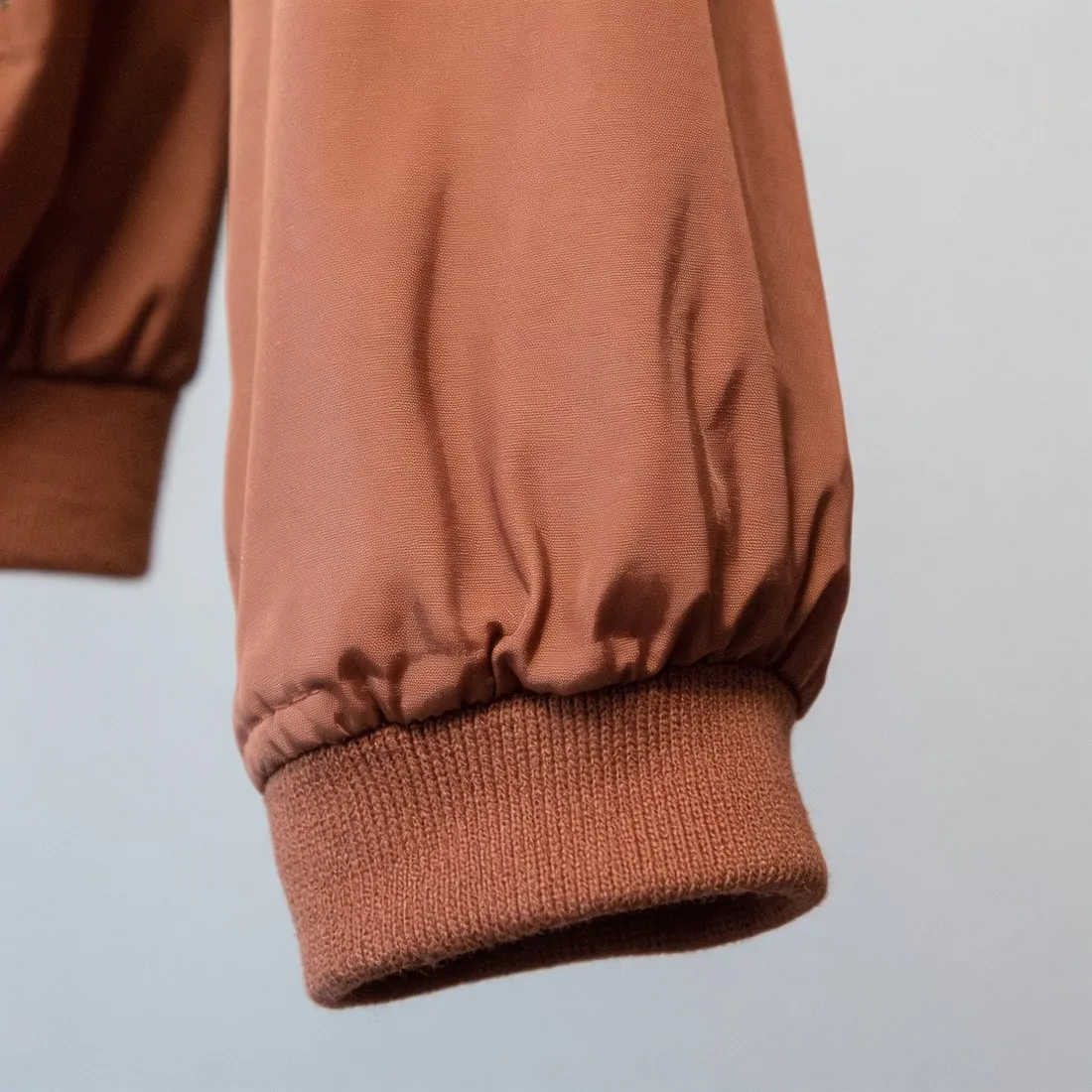
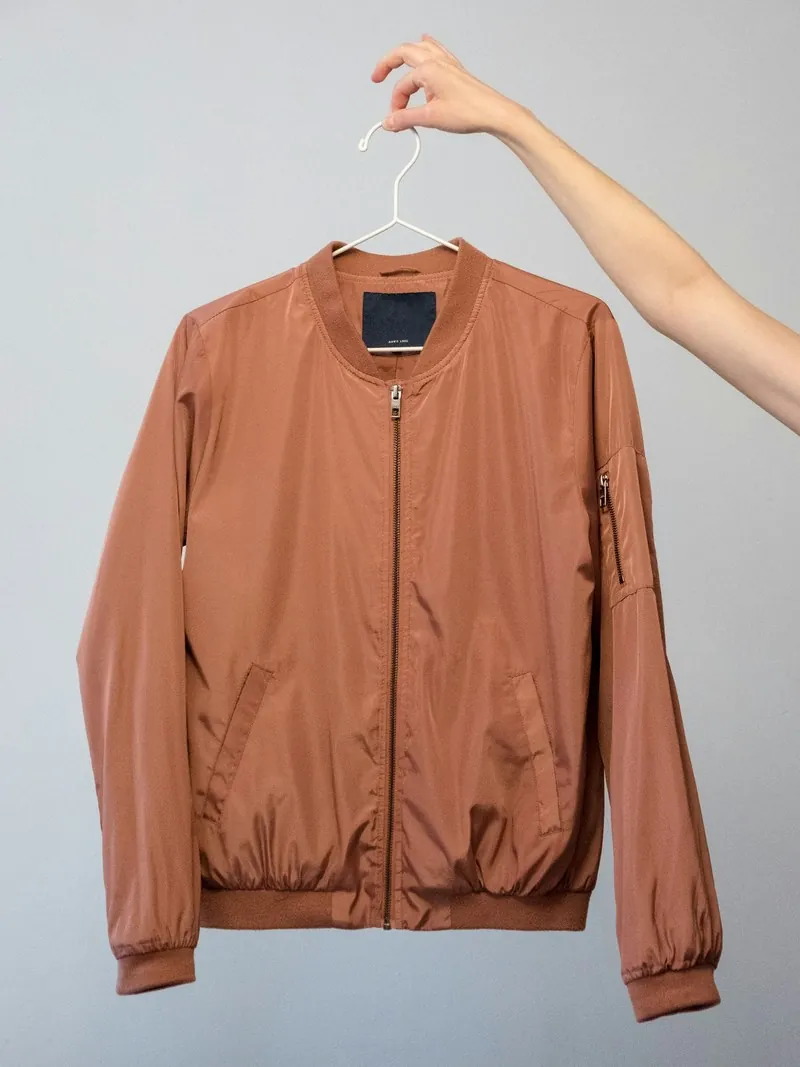
What a knit close-up lets a buyer judge.
- 1
Stitch pattern and gauge
Fabric texture is the entry for the knit itself. A chunky cable, a fisherman's rib, a fine merino jersey: each is defined by the size of its stitches and the way they travel. Compare the gauge in the close-up with the garment, and on a cable or an Aran panel follow one rope from crossing to crossing to see that it twists the same way.
- 2
Ribbing at cuff, hem and neck
Cuff or sleeve, hem and collar or neckline are separate entries, and on knitwear all three end in ribbing. The ribbing has a width, a depth and a line where it joins the body. Look at that join, at the fold of a turn-back cuff, and at a crew, V or roll neck for the linking stitches that close the neckband.
- 3
Yarn surface: fuzz, loop and fleck
Mohair and brushed wool carry a halo of fine fibres, bouclé is made of loops, a tweed yarn has flecks of other colours. These fine edges are the hardest part of a knit to carry over and deserve the closest look. Check that a hairy yarn has not been smoothed into a flat surface and that the flecks keep their colours.
Lighting a knit so the stitch is readable.
- Light the garment evenly, in open shade or beside a window with no direct sun; a hard shadow in every stitch turns a cable into a pattern of dark holes.
- Lay the jumper flat without stretching it, since a pulled rib opens up and reads as a looser gauge than the garment has.
- Remove pills and stray threads, straighten the cuffs and the hem ribbing, and fold a roll neck the way it is worn before the photo.
Detail shots for knitwear, answered.
Will a dark or black knit show its stitch in a close-up?
Only as far as the source does. Black, navy and charcoal yarns swallow light, and a phone tends to render them as one flat area. Photograph a dark knit in bright, even daylight, slightly lighter than looks natural, until the stitches separate in the photo. The close-up is made from that image and has no other record of the knit.
Which detail should I choose for a cardigan?
A cardigan adds a button band to the knit. Closure or hardware frames the buttons and the band, with the buttonholes worked into the rib; collar or neckline shows a shawl collar or the V where the bands meet. Count the buttons in the result, and see that they sit on the band and not on the body of the knit.
Can a knitted-in pattern such as Fair Isle be shown close up?
Yes. A knitted-in pattern is part of the fabric, so fabric texture frames it, and print or logo suits a single motif on the chest. Each colour is a stitch, which makes the motif a grid of small steps. Compare the outline, the number of colours and the order of the bands with the garment, as small repeats are easily simplified.
How much does it cost?
3 credits per image, plus one credit for 4K. The cost is shown before you generate, and if a job fails the credits are returned. The 20 free credits at sign-up cover 6 images with this tool.
Your next collection, shot this week.
20 credits at sign-up, no card required. Images made with free credits carry a watermark.