Vintage pieces on a model, one photo per garment.
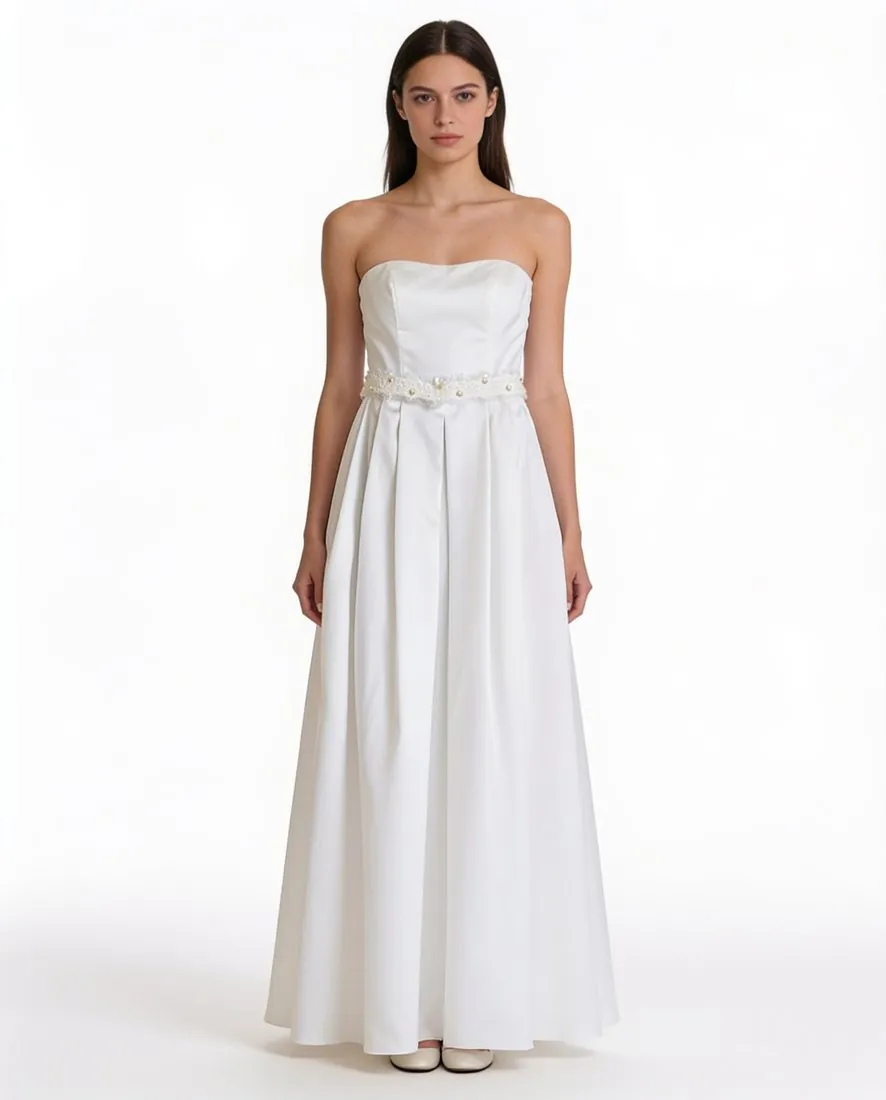
Second-hand and vintage stock has no repeats: every garment exists once, and every listing needs photos of its own. Herofab dresses a studio model in the piece from a single phone photo, so the on-model image is made garment by garment, without a shoot for an item that is sold once.
What a one-off listing has to show honestly.
- 1
One garment, one listing, one photo
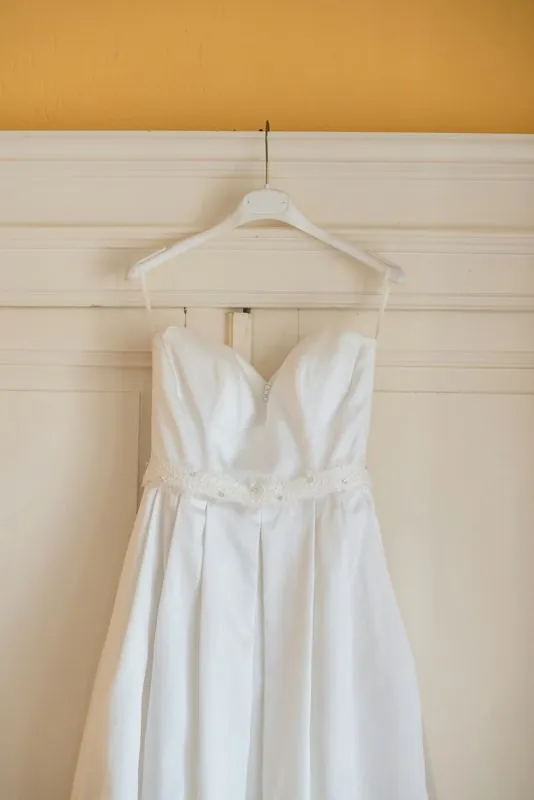
A rail of vintage stock is photographed piece by piece, because no two listings share a product. The source is a phone photo of the front, on a hanger or laid flat. The seller picks the product category, a model, a pose and a background, and the image belongs to that garment alone.
- 2
Wear, flaws and repairs stay on record
An on-model image shows how a garment looks when worn; it is not a condition report. A faded collar, a moth hole, a replaced zip or a darned elbow has to be photographed with a camera, close up, and described in the listing text. The on-model image sits next to those photographs and takes the place of none of them.
- 3
Measurements, labels and the size setting
Old size labels rarely match current sizing, and the size chosen for the try-on sets the fit in the image without measuring the garment. Chest, length and sleeve measurements belong in the listing. A chest badge or an outside label is small lettering, the first detail to read before publishing; a label sewn inside the neck stays inside.
Photographing second-hand stock one piece at a time.
- Hang the garment against a door or lay it flat on a bed, front to the camera, unfolded and whole; one phone photo per piece is enough as the source.
- Take the condition photos in the same session: each mark, repair or worn edge close up and in daylight, kept as real photographs for the listing.
- Add a back photo when the back carries a print or embroidery, and a close-up of a badge or an outside label, so its lettering is recorded at upload.
AI product photos for vintage sellers, answered.
Can an on-model image stand in for a photo of a stain or a repair?
No. The on-model image shows the cut and how the piece reads when worn. Condition is shown by real photographs of each flaw and by an honest description in the listing text. A vintage listing needs both: the generated image for the look, and the photographs for the wear, the repairs and the marks.
Which size should be set when the size label is old or missing?
Measure the garment and pick the size from XS to XXL that it corresponds to today, whatever the old label says. The fit in the image follows that setting and is not a measurement of how the garment fits a real body, so the measured chest, waist and length are stated in the listing text as well.
How is a faded or cracked print on an old tee handled?
Herofab is briefed to keep the print as photographed. Where a print can be matched it is carried over from the photo; where it cannot, it is redrawn, and on a worn garment that is the image to inspect. If the print in the image looks newer or more complete than the cracked original, leave the image out and let the photograph of the garment show the print.
How much does it cost?
5 credits per image, plus one credit for 4K. The cost is shown before you generate, and if a job fails the credits are returned. The 20 free credits at sign-up cover 4 images with this tool.
Your next collection, shot this week.
20 credits at sign-up, no card required. Images made with free credits carry a watermark.