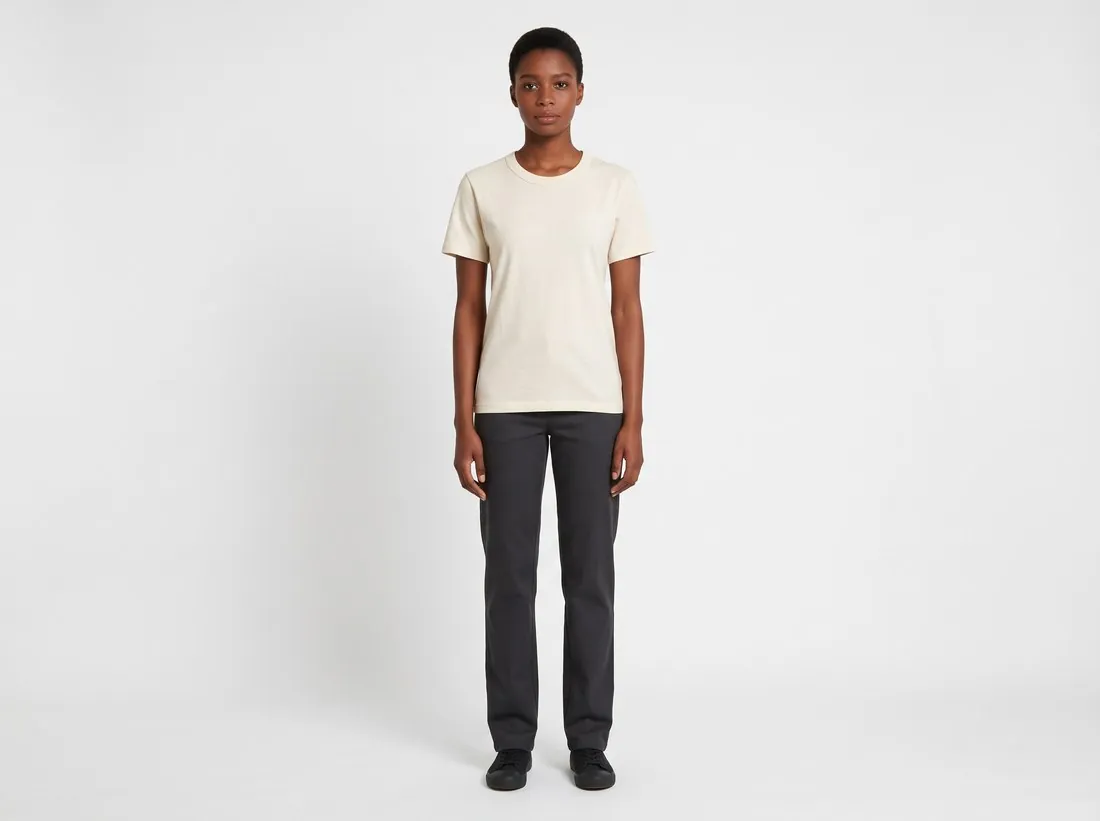
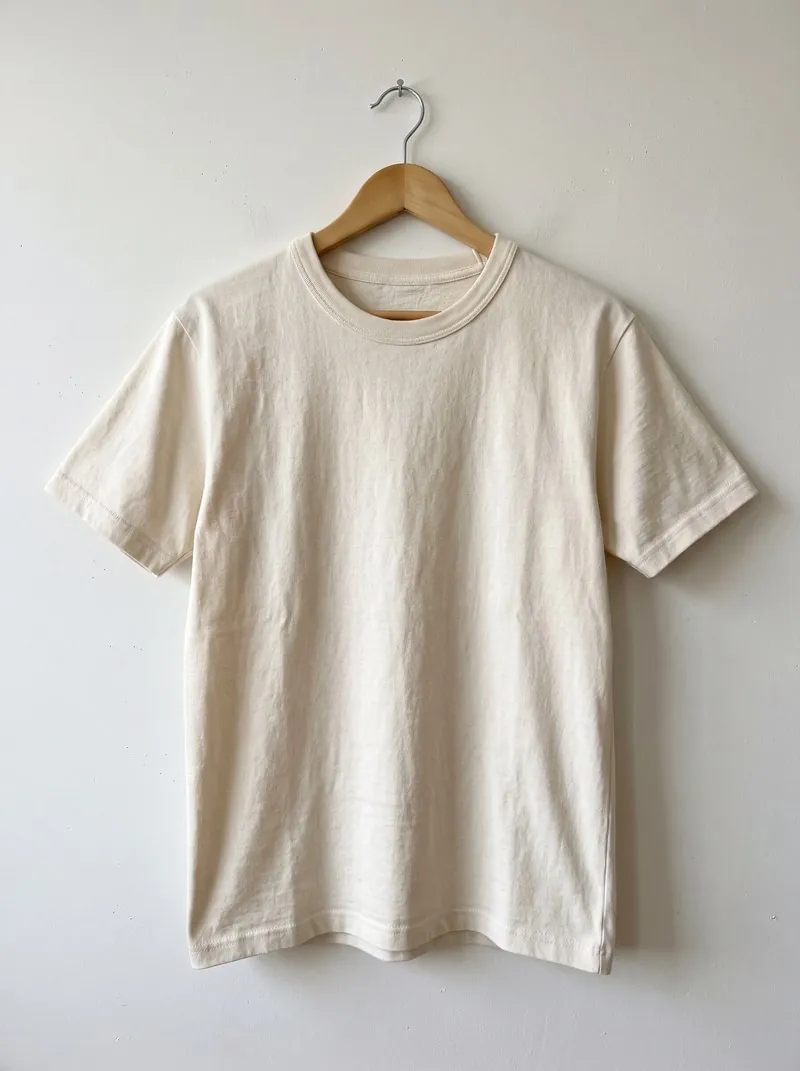
Is AI product photography worth it for a small business?
AI product photography is usually worth it for a small business when the catalogue is larger than the photo budget. A brand with 25 products and four images per product needs 100 images. At published US rates in October 2026, those images cost from about $1,800 to $35,000 through a studio or photographer, against tens of dollars in generation fees on a purpose-built AI tool.
The real saving is smaller than that gap suggests, because every AI image has to be compared with the product. The case also weakens when a brand has few products, when images stay in use for years, or when a founder can already photograph the range well.
A small business should use AI images where they show a real product accurately, and avoid them where they promise something the item cannot deliver. That test matters more than the tool: the buyer compares the picture with the parcel.
Turn a phone photo into a product image
How much does AI product photography cost compared with a traditional shoot?
AI generation costs cents per image, while studio and photographer routes cost from about $16 to $350 per image. The table prices 100 images (25 products, four images each) from rate cards read on 31 October 2026. All are US prices; quotes vary by city, and shipping, styling and usage rights need checking on each quote.
| Route | Published basis | 100 images | Stated turnaround |
|---|---|---|---|
| Photographer, per image | $50–$350 per image (Shopify guide, January 2026) | $5,000–$35,000 | Agreed per job |
| Photographer, day rate | $500–$3,000 per day, before support staff and equipment (Shopify guide, January 2026) | Depends on shots per day | Agreed per job |
| Studio, on white | $30 per photo at 51+ photos (ProductPhoto.com) | $3,000 | 10–12 business days |
| Studio, flat lay or ghost mannequin | $22 per main image for 1 to 20 images (Clothing Photography Studio) to $50 per ghost mannequin image at 51+ (Ghost Mannequin NYC) | $1,800–$5,000 | 3–7 business days |
| Studio, on-model | $1,800 half day for up to 25 items, non-agency model from $400, retouching $8 per photo (Shootify) | From $3,000 | Unedited in 3 business days; retouching 6–8 more after selection |
| Purpose-built AI tool | $0.20–$0.60 per on-model image (Herofab Virtual try-on) | $20–$60, plus review time | Depends on review |
| General AI chatbot | $20 a month for ChatGPT Plus (OpenAI, October 2026); usage limits vary | Subscription, plus retries and review | Depends on retries and review |
What the price table does not show
The table compares prices, not equal results. A studio delivers a photograph of the item, while an AI tool delivers a new image that has to be verified. Rates for photographers also vary widely: Shopify notes that outliers exist on both sides of its range and that rush fees can add 25% to 200% of the job cost.
What is cost per accepted image?
Cost per accepted image is total spend divided by the images actually published, and it is the fairest way to compare AI with a shoot. Total spend includes generation fees, staff time to review each image, and any reruns or fixes.
A worked example, using illustrative assumptions rather than measured data: 100 images wanted at $0.40 each, 20 rejected and rerun once, two minutes of review per image, staff time at $25 an hour. That is 120 generations ($48) plus four hours of review ($100), or $148 in total. The result is $1.48 per accepted image, and review makes up about two-thirds of it.
The 20% rejection rate in the example is an assumption, not a measurement. For scale, Herofab's automated check flagged 20.8% of 303 generated test images before delivery, and flagged images are generated again rather than delivered, so the rate a reviewer sees can differ. Measure your own on a first batch. The check covered images made between 24 September and 12 October 2026, before Herofab's late-October image engine change.
On these assumptions AI stays far below the cheapest studio rate above, and rejection would have to climb steeply to change that. The larger risk is a wrong image that passes review, because the buyer then receives an item that differs from the picture.
How long does it take to review AI product photos?
Reviewing an AI product photo means comparing it with the real item part by part, and no independent benchmark for the time this takes was found as of October 2026. The practical method is to time the first 20 images and put that number into the cost sum.
Herofab's own check of 303 generated images shows where review effort goes. It flagged 20.8%, and the most common fault was an invented detail, in 9.6% of images. Of the 90 images with readable text on the product, 35.6% showed small differences and 5.6% were wrong. Products with text, logos or repeated hardware therefore take longer than a plain garment.
An automated check does not remove the human step. Of 19 scene images compared by eye, nine cut the product off at the frame edge, and the automated check had accepted the framing of all nine.
Check a product photo before upload
When is AI product photography not worth it?
AI product photography is not worth it when an image has to prove something only a real photograph can prove. Five cases stand out.
Fit and drape: AI shows a plausible garment on a body, not how this garment fits that body. Baymard's apparel usability testing (published 2020, before current generators) found that shoppers use images of people to judge length, scale and fit, and it advised treating mannequins or virtual models as a last resort, because users judged cheap-looking ones harshly.
Fine text and logos: Shopify's September 2026 guide warns that AI models "can alter logos, typography, dimensions, stitching, packaging details". Where a label carries legal or technical wording, a real photograph is the safer route.
Hero images: the first image carries the brand, and a real shoot gives control of light, styling and talent that a prompt does not.
A few long-life products: when a range is small and the images stay in use for years, the cost gap matters less, and one planned shoot can be the better use of budget.
No sample yet: AI needs a clear photo of the real item. Without one, the image shows a guess at a product that may turn out differently.
Is AI better than traditional product photography?
Neither is better overall: traditional photography records the real product, and AI produces more images for less money. The right choice depends on what each image has to do.
| Question | Traditional photography | AI product photography |
|---|---|---|
| Does it show the real item? | Yes: the camera records it | Not by default: a generative tool redraws it, so each image needs checking |
| Cost per image | About $16–$350 on the rates above | Cents for generation, plus review time |
| Time | 3–12 business days on the studio rate cards above | Zalando reported 3–4 days against 6–8 weeks for campaign imagery (company figure, May 2025) |
| Colour variants | Each colour shot or edited separately | Generated from one photographed colour, then checked |
| Fit evidence | Shows the garment on a real body | Does not prove fit |
| Creative control | Full control of set, light and talent | Limited to the tool and the source photo |
| Copyright (US) | Arises when the photograph is taken; ownership follows the photographer's contract | May be limited: the US Copyright Office said in January 2025 that prompts alone do not make someone the author |
| Marking | No AI marking needed | Some platforms and laws require it; see the 2026 rules guide |
What does a hybrid approach to product photography look like?
A hybrid approach keeps a real photograph for the hero shot and uses AI for the images around it. Sellers describe this split in forums and vendors recommend it, but no independent study of its results was found as of October 2026, so it is a sensible default to measure rather than a proven method.
A typical split for a 25-product range: a real shoot for the hero images of the best sellers, a phone photo of every product as source material, then AI for on-model views, colour variants, extra poses and backgrounds. A half-day on-model shoot at the Shootify rates above starts at $2,200 before retouching, so the shoot takes most of the budget and AI fills the rest of the range.
The split also limits risk. If AI images underperform, the hero images are already in place and the AI images can be replaced one by one.
Make colour variants from one photographed colour
Do you still need a photographer if you have an iPhone and AI?
An iPhone and an AI tool can cover catalogue images without a photographer, but brand imagery still benefits from one. The phone supplies the truth about the product and the AI tool supplies the presentation, so the result depends on the phone photo: the whole item in frame, in even light, with the colour correct.
A phone alone is enough for a clean flat lay or a second-hand listing where a real image is the selling point. A photographer earns the fee for a launch, a lookbook or any image that has to set the look of the brand.
Put a hanger or flat-lay photo on a model
Checklist
- Count the images needed: products multiplied by images per product.
- Price the same image count through a studio and an AI tool, from published rates.
- Time the review of the first 20 AI images and add that cost.
- Work out cost per accepted image, not price per generation.
- Keep real photography for hero images, fit proof and products with fine text.
- Compare every AI image with the real item before it goes live.
- Track returns as well as sales on pages that use AI images.
Sources
- Shopify: Product photography pricing (27 January 2026)
- ProductPhoto.com: Pricing
- Clothing Photography Studio: Pricing
- Ghost Mannequin NYC: Price list
- Shootify: Product photography prices
- OpenAI: ChatGPT plan pricing
- Baymard Institute: Human model images in apparel (1 December 2020)
- Shopify: ChatGPT image generator (22 September 2026)
- Reuters via Asharq Al-Awsat: Zalando uses AI to speed up marketing campaigns (7 May 2025)
- US Copyright Office: NewsNet 1060 (29 January 2025)
- US Copyright Office: What is copyright?
- Stylitics and Aha Studio: AI fashion photography survey (undated)
Checked 31 October 2026. Rules change; the official pages are the final reference.