What are the alternatives to a product photoshoot?
The alternatives to a product photoshoot range from free phone photos to per-image studio services and AI tools, and each has a different quality limit. The table compares all eight. Studio prices are US rate cards read on 31 October 2026; quotes vary by city and order size.
| Alternative | Cost basis | Time | Quality limit | Best for |
|---|---|---|---|---|
| DIY phone set-up | Your time, plus a phone, daylight or a light tent, and a backdrop; no per-image fee | Same day for a small batch, plus editing | Depends on light and skill; hard to keep consistent; no model unless you find one | First drops, second-hand and testing a product |
| Freelance photographer | $500–$3,000 per day or $50–$350 per image (Shopify, January 2026); extras possible for model, stylist and support staff | Agreed per job; rush fees of 25%–200% are possible | Budget limits how many images you get | Launches, lookbooks and hero images |
| Studio per-image service | On white $30–$40 per photo (ProductPhoto.com); on-model $20–$35 per image with a 2-hour booking at $50 an hour, model not listed (Clothing Photography Studio) | 4–12 business days on these cards | Consistent but standard; products must be shipped or dropped off | Repeat drops of 20 to 100 products |
| Flat lay | $22 per main image for 1 to 20 images at a studio (Clothing Photography Studio); free if you shoot it yourself | 3–8 business days at a studio | No body, so no sense of fit or drape | T-shirts, denim, kidswear and source photos for AI |
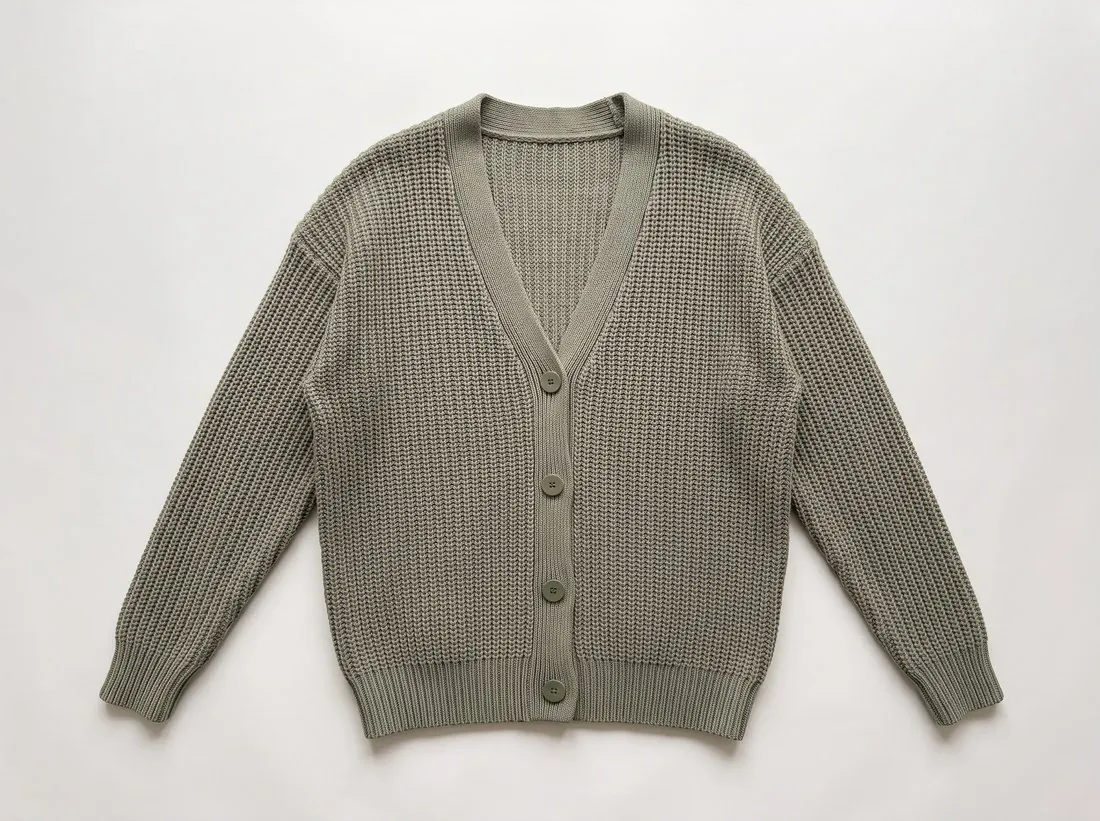
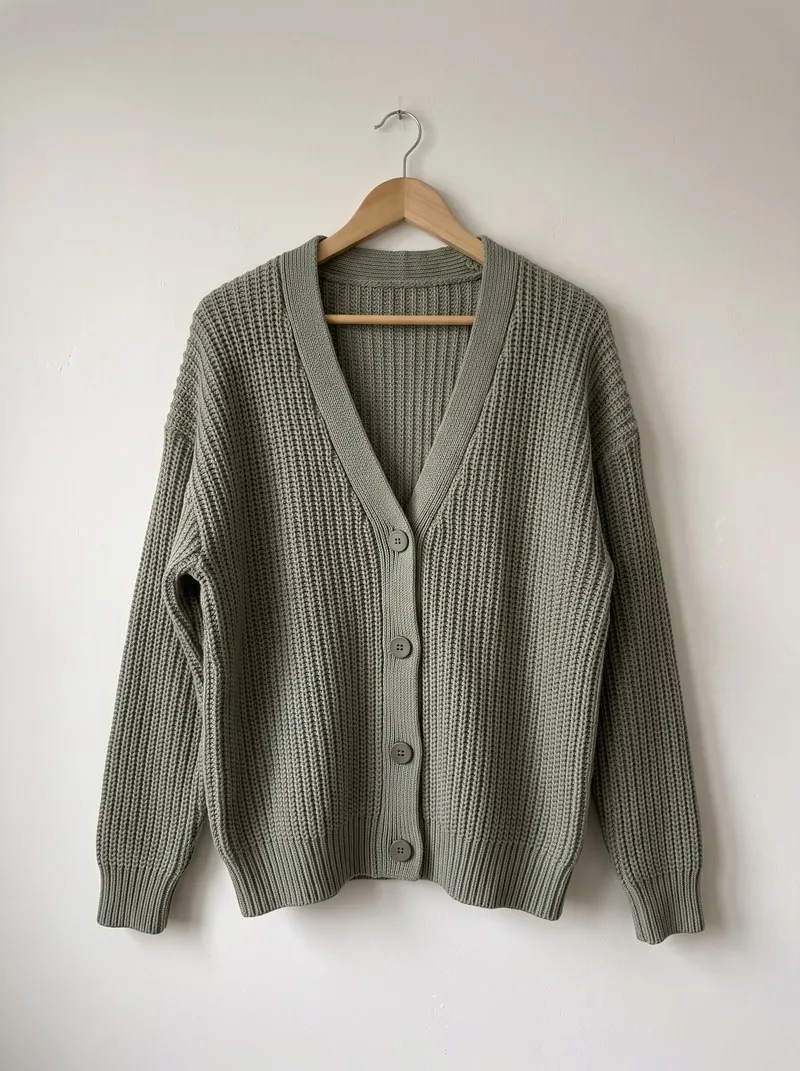
| Ghost mannequin | $22 per main image for 1 to 20 images (Clothing Photography Studio) to $50 per image at 51+ (Ghost Mannequin NYC) | 3–8 business days at a studio | Shows shape but no human scale; sheer or heavily layered items can need a custom quote | A uniform catalogue of jackets, knitwear and dresses |
| Supplier images | Usually free, with permission | Immediate | Same image as other sellers; may not match your batch; rights are not yours | Resellers and testing demand |
| General AI chatbots | Free tier or a subscription, such as ChatGPT Plus at $20 a month (October 2026) | Minutes per attempt, more with retries | Can alter logos, text and stitching; no catalogue workflow | Mood boards, concepts and backgrounds |
| Purpose-built AI tools | Credits or a monthly plan; about $0.16–$0.60 per image on Herofab | Batches, plus review of each image | Can invent details; does not prove fit; needs a clear source photo | Catalogues, colour variants and on-model views without a shoot |
How to read the prices
Rates depend heavily on order size and what is included. Ghost Mannequin NYC includes retouching and commercial usage rights in its price, while Shootify charges $8 per photo for retouching on on-model days. Soona listed $39 per photo on 13 October 2026. Compare complete quotes rather than headline rates.
What is the cheapest alternative to a product photoshoot?
A DIY phone set-up is the cheapest alternative to a product photoshoot, because the only cost is time and basic kit. Adding a purpose-built AI tool to phone photos is the cheapest route to on-model images, at cents per image plus review time.
The cheapest option on paper can still cost more in practice. A founder's day spent shooting and editing has a price, and a poor image that lowers sales or raises returns can cost more than a better photo would have. The cost guide and the sums on whether AI is worth it show how to compare routes on cost per accepted image.
Turn a phone photo into a product image
Can a small clothing brand photograph products at home?
A small clothing brand can photograph products at home with a phone if it controls the light, the background and the framing. Daylight near a window, a plain wall or backdrop, a steamed garment and a phone on a tripod cover most needs for a first drop.
The limit is consistency: a set-up that works today may look different next month, and a growing range shows the gap. Home photos also include no model unless someone wears the item, and that person needs to agree to the use of their image.
Home photos have a second use: they are the raw material for AI tools, so they are worth doing well even when the final image will be generated. The guide on photographing clothes for AI lists what to capture.
Is a freelancer or a per-image studio better for a small brand?
A freelancer is better for images that shape the brand, and a per-image studio is better for repeat product pages. A freelancer brings direction and flexibility, and is usually priced by the day. A per-image studio ships or receives the products and delivers a standard result at a known price.
For on-model work, the two routes meet at a half day: Shootify in Miami lists $1,800 for up to 25 items on 31 October 2026, with models billed separately from $400.
Shipping is the hidden step in a per-image service. Stock is away for the length of the job, which matters to a brand with single samples and a launch date. Shootify, for example, charges a $20 handling fee plus shipping on returns.
Is flat lay or ghost mannequin better than a model?
Flat lay and ghost mannequin images cost less than a model shoot, but neither shows how a garment looks on a body. Baymard's apparel testing (2020) found that without a person in the image, shoppers struggle to judge length, scale and fit, so these formats work best alongside at least one on-model image.
Ghost mannequin keeps the worn shape of a garment and suits a uniform catalogue. Flat lay is simpler and suits soft, casual items. Some marketplaces also set their own rules on which format can be the main image, so the format choice can depend on where the product is sold.
Make a ghost mannequin image from a hanger or flat-lay photo
Can you use supplier photos instead of a photoshoot?
Supplier photos can replace a photoshoot only with the supplier's permission, ideally in writing, and only when they show the item you ship. In the US, copyright belongs to the author from the moment a work is created, or to an employer for work made for hire, and it passes by contract. A supplier may not hold the rights its catalogue implies, so the permission needs to come from whoever does.
Supplier images have two further limits. Other sellers often use the same pictures, so the listing looks like every other one, and a supplier's sample can differ from the batch delivered. Marketplaces judge the image against the product sold, so a mismatch is the seller's problem. This is general information, not legal advice.
AI product photos for dropshipping
Can ChatGPT or Gemini replace a product photoshoot?
ChatGPT and Gemini can produce convincing images, but they are not reliable replacements for a product photoshoot, because the output has to show the exact item. Shopify's September 2026 guide warns that AI models "can alter logos, typography, dimensions, stitching, packaging details" and tells sellers to compare results with the real product.
General chatbots are good value for mood boards, backgrounds and early concepts. ChatGPT Plus costs $20 a month, and Google's free Gemini tier includes image generation and editing, with usage limits (October 2026). The limit shows up over a catalogue: keeping one model, one framing and exact details across dozens of products takes many retries.
What do purpose-built AI product photo tools do differently?
Purpose-built AI product photo tools start from a photo of the item and run fixed jobs such as on-model, ghost mannequin, colour change and background removal. A general chatbot starts from a conversation. The difference shows in repeatability, in reusable models and in export sizes for marketplaces.
FASHN, Photta, Botika, Photoroom, Claid, Modelia, Pic Copilot and Herofab all listed virtual try-on in a comparison checked on 13 October 2026. Entry plans across 14 tools ranged from $5.99 to $59 a month in October 2026, though not all of them offer on-model images. The seven rivals named also listed video on that date, and Herofab has no video output.
These tools still redraw the product. Herofab's pre-delivery check of 303 of its own test outputs flagged 20.8%, most often for an invented detail, and it missed cropping, so a person still has to compare each image with the item. They do not show how a garment fits. The check covered images made between 24 September and 12 October 2026, before Herofab's late-October image engine change.
Dress a model in your garment with Virtual try-on
Which alternative should a small clothing brand choose?
The right alternative depends on range size, budget and where the images will appear. The table gives a starting point; the thresholds are editorial judgement, not measured limits.
| Situation | Sensible starting point |
|---|---|
| Fewer than 10 products, testing demand | Phone photos or flat lay, with AI on-model views for the best sellers |
| 10 to 50 products, no shoot budget | Phone photos as source, a purpose-built AI tool, and one real hero image per collection |
| 50 or more products, or monthly drops | Per-image studio for main images, or AI in batches with a fixed review step |
| Reselling other brands' goods | Supplier images with permission, plus your own photo of the item received |
| Brand launch or wholesale lookbook | A freelancer and a real model for hero images; AI for the remaining views |
| Marketplace main images | Flat lay, ghost mannequin or packshot, sized to the platform's rule |
When is a real photoshoot still the better option?
A real photoshoot is still the better option when images have to establish the brand, prove fit or show movement. No alternative in the table replaces all three, and the cost of a shoot spreads over every season its images stay in use.
A brand with a clear look and a small, long-life range may also do better with one good shoot than with a mix of methods that never matches. The guide on replacing a photoshoot lists which shots to keep real.
Checklist
- Count the images needed for the next drop.
- Decide which images must show fit or carry the brand.
- Get complete quotes that include retouching, shipping and usage rights.
- Check written permission before using any supplier image.
- Photograph every item well, even when the final image will be AI.
- Compare each AI image with the real item before it goes live.
- Check each marketplace's image rule before choosing a format.
Sources
- Shopify: Product photography pricing (27 January 2026)
- ProductPhoto.com: Pricing
- Clothing Photography Studio: Pricing
- Ghost Mannequin NYC: Price list
- Shootify: Product photography prices
- Baymard Institute: Human model images in apparel (1 December 2020)
- US Copyright Office: What is copyright?
- Shopify: ChatGPT image generator (22 September 2026)
- OpenAI: ChatGPT plan pricing
- Google: Gemini subscriptions
Checked 31 October 2026. Rules change; the official pages are the final reference.