From a phone photo to a studio product photo.
The camera most sellers own is a phone, and the surface is whatever is free: a table, a bed, an open palm. Herofab takes that photo and delivers the product alone on a white studio background with even light; what the phone still has to supply is a sharp, complete view of the product.
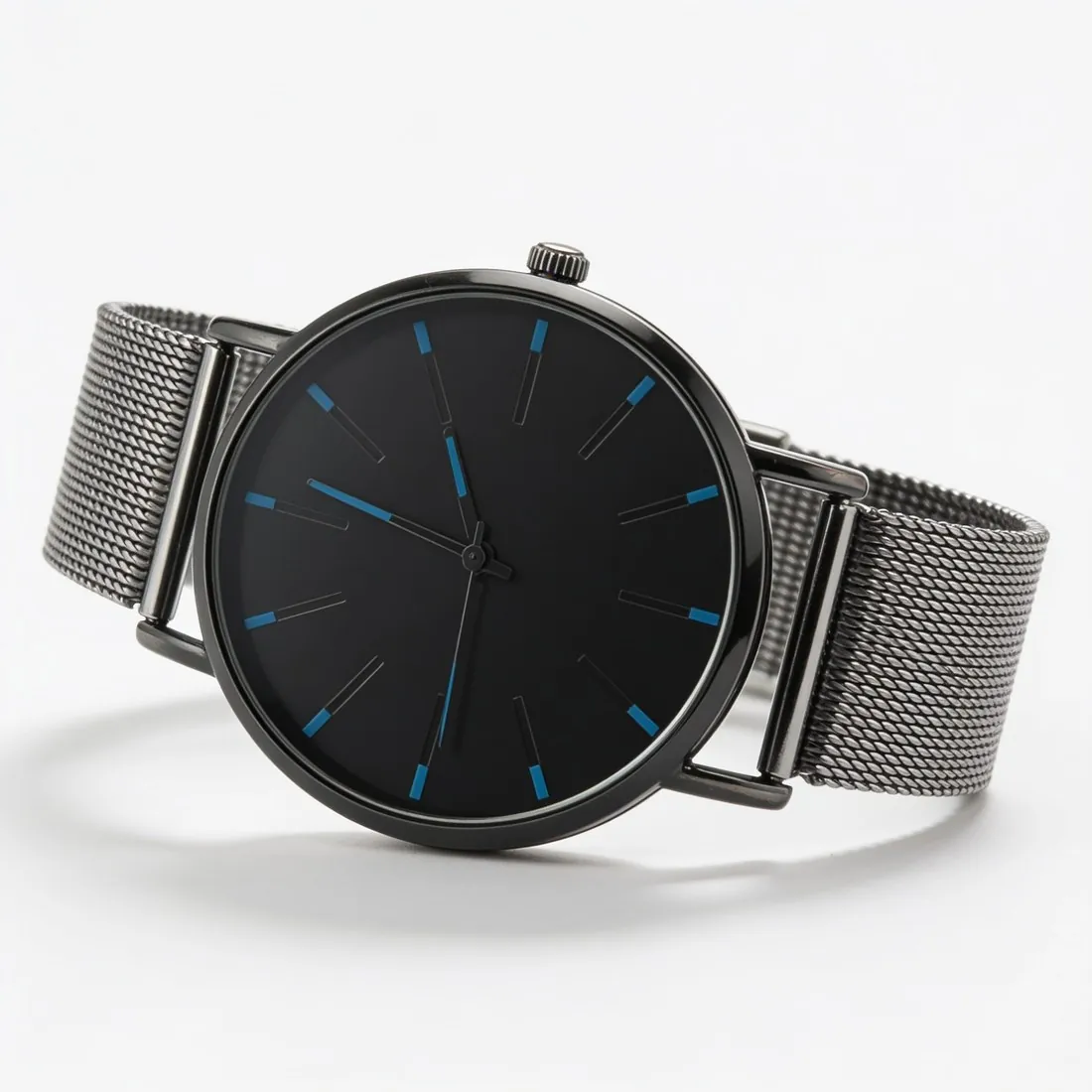
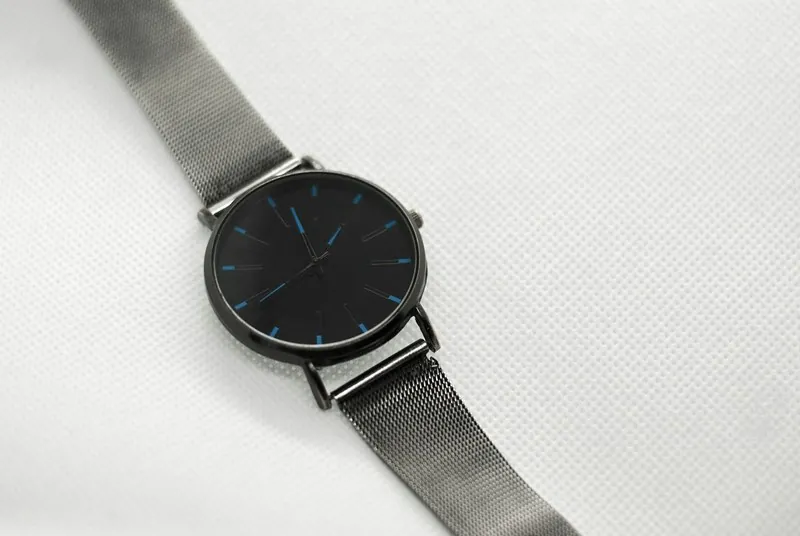
What the studio adds and what the phone owes.
- 1
What the studio step replaces
The background, the light and the shadow. The table, the bedspread, a hand, a box or a price tag are left out, the product is evenly lit, and the shadow is chosen: a soft contact shadow, none, or a reflection. A lightbox, a backdrop roll and lamps are not needed for the shoot.
- 2
What the phone must still get right
Sharpness, completeness and honest light. The product should be in focus across its whole surface, entirely inside the frame, with no part behind another object. Detail that is blurred, cropped or burnt out by flash was never recorded, and it cannot be added back faithfully.
- 3
What to compare before publishing
Herofab is briefed to keep the shape, the proportions, the colours, the materials and every logo and label. Put the delivered image next to the product and look at small printed text first, then at colour in daylight, then at fastenings and trims. A mismatch is easier to see at full size than in a thumbnail.
Taking the phone photo that goes in.
- Tap the screen on the product to focus, hold the phone with both hands or rest it on something, and take the photo again if the label is soft when zoomed in.
- Keep the entire product in the frame with a little space around it, shot straight on, one product per photo.
- Stand near a window or in open shade and switch the flash off; flash leaves a white glare on glossy surfaces and a hard shadow behind the product.
Phone photo to product photo, answered.
Is an older phone camera good enough?
A phone photo is enough, and sharpness matters more than the model of the phone. Clean the lens, use the main rear camera instead of the front one, and move closer instead of using digital zoom. If the smallest text on the product is readable in the photo, the photo holds the detail the result is built from.
Does the surface under the product matter?
Not for the background: a table, a bed, a sofa or a hand gives way to the white studio ground. It matters for the product. A soft bed lets a heavy item sink and tilt, and a patterned cloth can mirror in glossy material. A firm, plain surface keeps the product level and its colours clean.
What happens if the photo is taken with flash?
Flash puts a bright patch on glass, metal, patent leather and plastic, and whatever lies under that patch is missing from the photo. The tool is briefed to keep the product as photographed, not to guess at what glare covered. Retaking the photo in daylight is the simpler fix.
How much does it cost?
4 credits per image, plus one credit for 4K. The cost is shown before you generate, and if a job fails the credits are returned. The 20 free credits at sign-up cover 5 images with this tool.
Your next collection, shot this week.
20 credits at sign-up, no card required. Images made with free credits carry a watermark.