
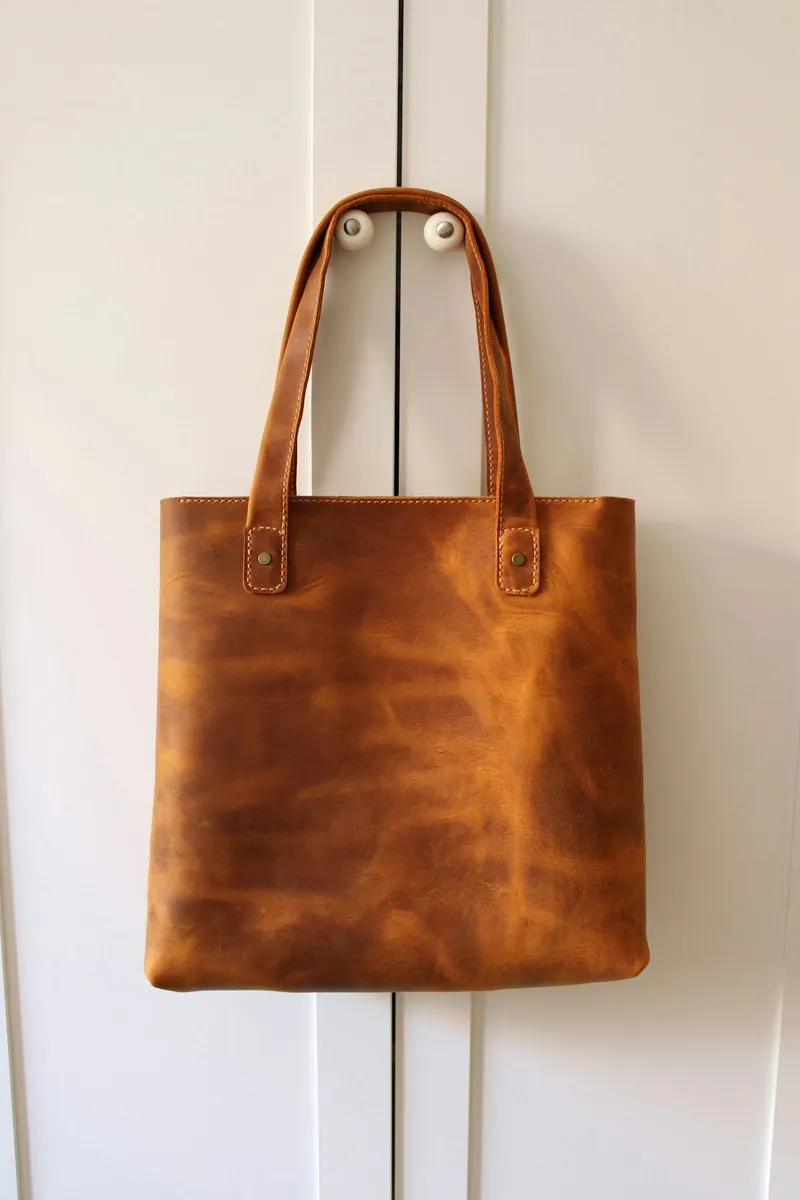
The term covers a wide range. At one end, a real product photo gets a generated background or a synthetic model; at the other, every pixel comes from the model, the product included. For a listing this distinction matters more than the label: an image built around a photo of the actual item can show that item faithfully, while one generated without it shows a likeness the buyer will not receive.
Marketplaces have set out rules of their own. The common ground is that AI images must represent the product accurately and must not add features or accessories the buyer will not get, and in several places they must be marked, through invisible metadata, a visible label or a note in the description. Which of these applies, and to which images, differs between marketplaces and changes often.
Disclosure is easier to handle when it is planned from the start. A simple record per image, noting whether it was photographed, edited with AI or generated, and with which tool, answers a later question from a marketplace or a customer and shows which files need a label once one becomes required. Uploading the downloaded file with its metadata intact keeps any invisible marking the tool added, and a look at full size before publishing catches misdrawn lettering, logos or hands.