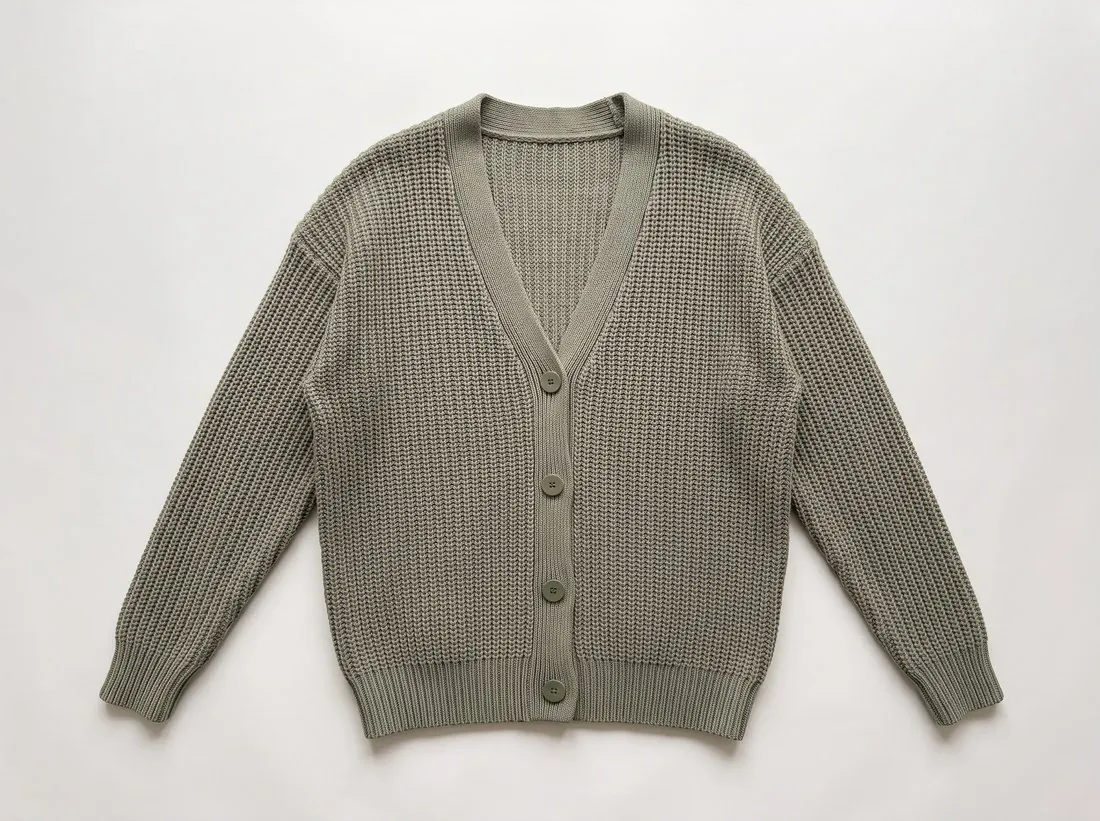
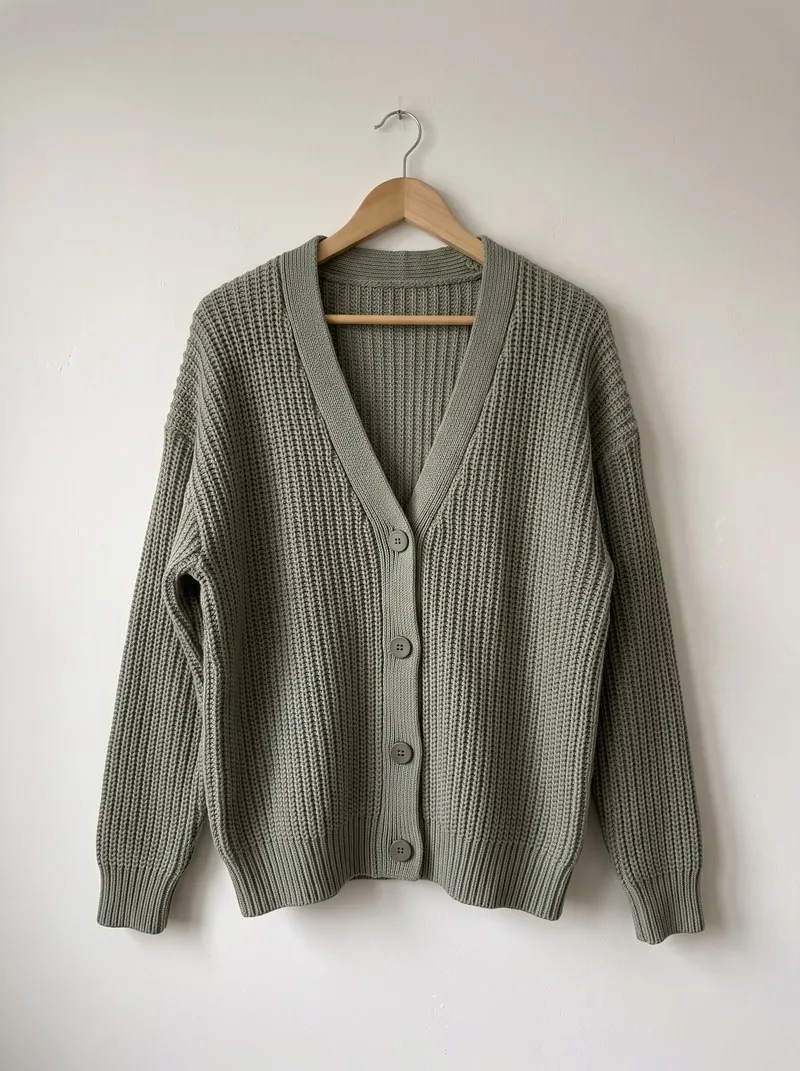
A size chart in the gallery puts the measurements where shoppers look first. The usual forms are a table of sizes against chest, waist, length and sleeve, and a flat lay or line drawing of the garment with arrows showing where each measurement is taken. The drawing prevents the most common misreading: whether a chest figure means the garment laid flat or the full circumference.
Accuracy matters more than design. The chart should come from measuring the finished product, not from the factory pattern sheet, and state the unit and whether the figures describe the garment or the body it fits. One generic chart reused across items with different cuts is a frequent cause of fit returns. Some marketplaces have a dedicated slot and format for size charts, others accept them only as a later gallery image or not at all.
Because it is mostly text and lines, a size chart suffers from compression and small thumbnails more than a photo does. A square or portrait layout with large figures and no fine grey lines stays readable on a phone, and PNG keeps lettering sharper than a heavily compressed JPEG. Where a listing is sold in several regions, units and size labels have to match each region, which often means one chart per market.