A reflection under the product, chosen as the shadow.
A reflection is one of three shadow options in Product studio, next to the soft shadow and no shadow. It sets the product on what looks like a polished surface, with its mirror image beneath, and suits glass bottles, metal cases and glossy finishes. The mirror image deserves the same check as the product itself.
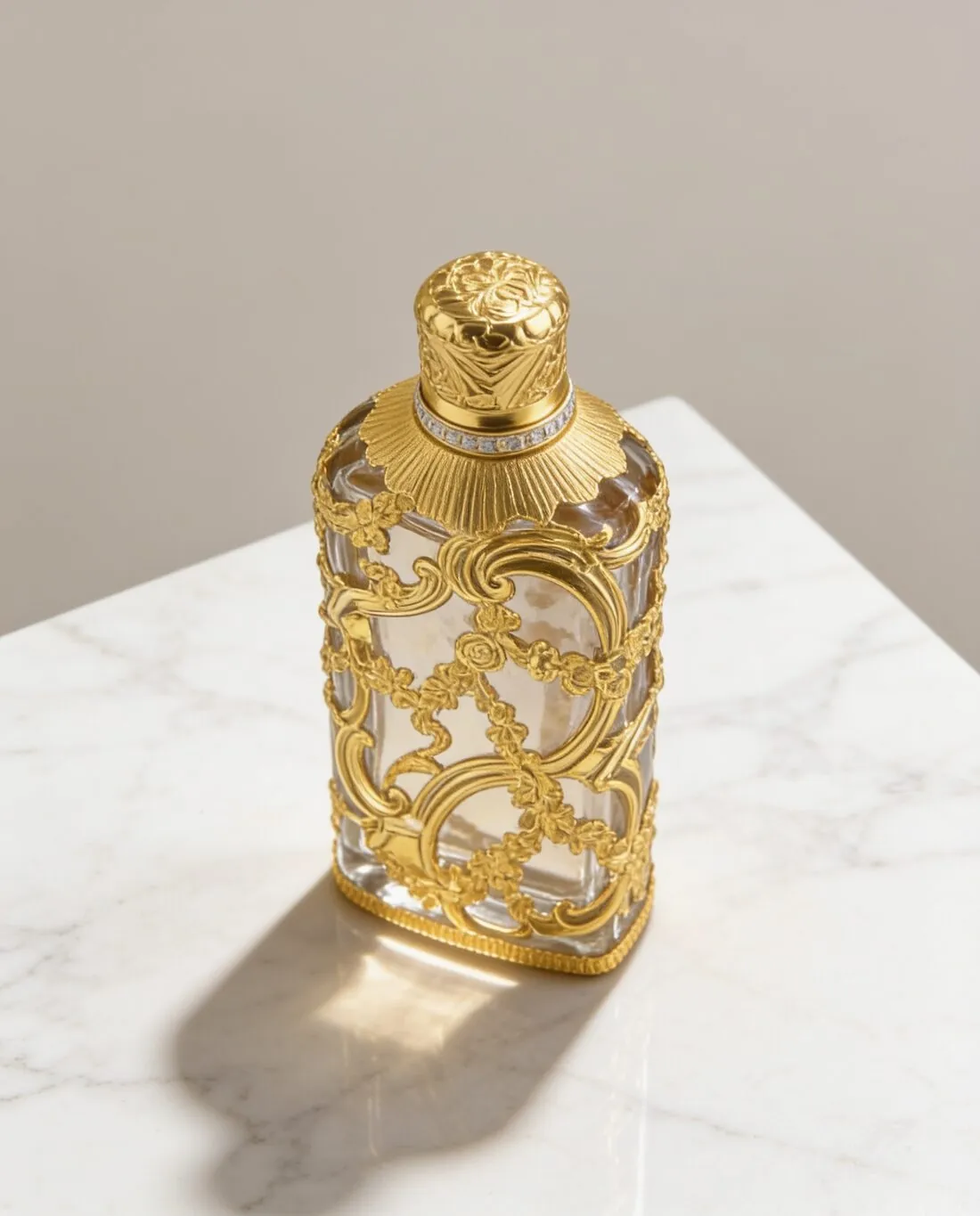
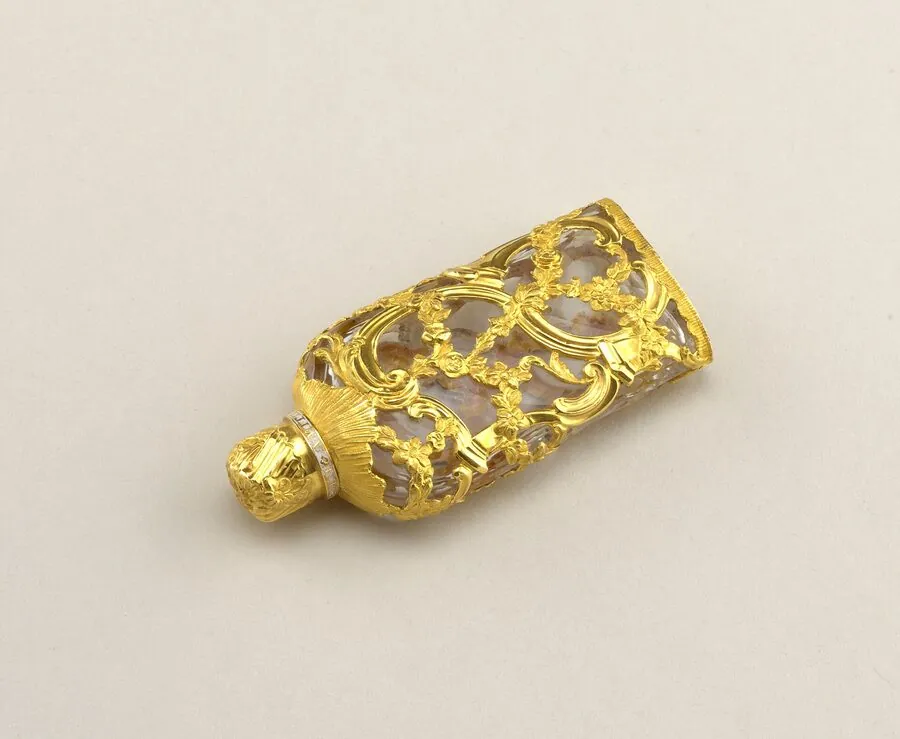
What the mirror image must repeat.
- 1
Products that carry a reflection
Glass, polished metal, lacquer and patent leather are shiny themselves, and a mirrored ground continues that finish: a perfume bottle, a watch, sunglasses, a lipstick case, a patent pump. Matt and soft products gain less. A felt hat or a suede boot over a mirror image looks staged, and the soft shadow serves them better.
- 2
The reflection must mirror the product
A true reflection is the product upside down, joined to it at the base. The cap that sits on top appears at the bottom, the label is turned on its head, and the toe of a shoe points the same way above and below. Compare the two halves: a reflection with a different cap, an upright label or another base has been redrawn, not mirrored.
- 3
The line where the two meet
The join between product and mirror image carries the whole effect. A bottle with a thick glass bottom, a bag on metal feet or a heel tip should touch its reflection with no gap and no overlap. Follow that line from one side to the other; a product that hovers above its reflection calls for another attempt or for the soft shadow.
Photographing a glossy product for a reflection.
- Stand the product upright on a level surface and shoot from a low height, level with the product, since a reflection belongs to a front, three-quarter or side view.
- Show the whole base: lift the product out of a tray or a box, and keep a cloth, a finger or a stand from covering the bottom edge.
- Polish glass and metal and step back from bright windows; lettering under a patch of glare is missing from the product and from its mirror image alike.
Product photos with a reflection, answered.
When is the soft shadow the better choice?
When the product is matt, soft or textile, when the scene is wood, linen or outdoors, and when the lower part of the product carries fine detail that a mirror image would double. The soft shadow sets a product on the ground without adding a second copy of it. A reflection is at home on studio grounds, marble and a podium.
Can a reflection be combined with a white studio background?
Yes. The shadow is chosen separately from the scene, so a reflection can sit under a product on studio white, grey or beige as well as on marble or a podium. Where a main image has to show the product on plain white with nothing added, the soft shadow or no shadow is the more cautious choice.
Why is the label upside down in the reflection?
Because a mirror under a product turns it on its head, and lettering with it. That is the correct result. What should not happen is lettering that differs from the label above: other words, another typeface, a missing line. Small text is the detail to check first on the product, and its mirror image is the second place to read.
How much does it cost?
4 credits per image, plus one credit for 4K. The cost is shown before you generate, and if a job fails the credits are returned. The 20 free credits at sign-up cover 5 images with this tool.
Your next collection, shot this week.
20 credits at sign-up, no card required. Images made with free credits carry a watermark.