Sunglasses photography, frame first, lenses clean.
Sunglasses are thin lines and two mirrors: a frame front, a bridge, a pair of temple arms and lenses that reflect whatever faces them. Product studio takes a phone photo of the pair on a plain surface, with eyewear chosen as the product kind, and places it on a studio ground or in a scene at the angle chosen.
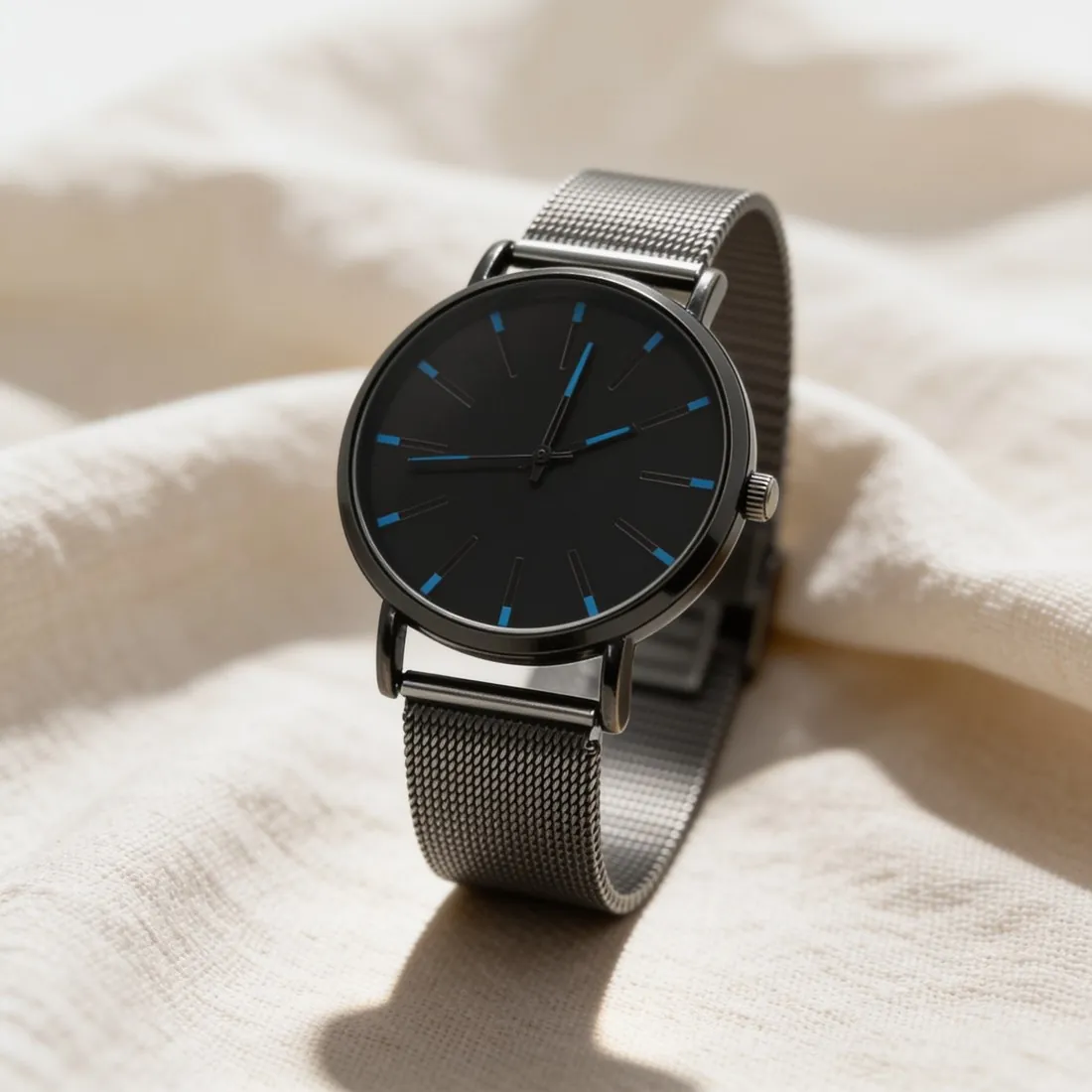
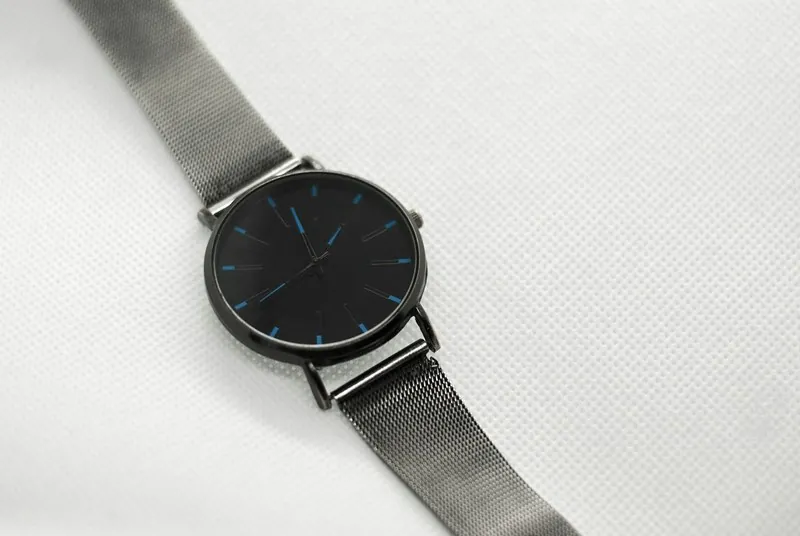
What an eyewear image has to hold.
- 1
Front for shape, three-quarter for temples
The front view is the one buyers compare: the lens shape, the brow line, the bridge and the width of the frame. It hides the temples almost entirely. Three-quarter brings one arm into view with its hinge, its thickness and its tip, and side shows the arm at full length. In the result, the left and right lens should be the same shape.
- 2
Lens reflections
A dark or mirrored lens reflects the room, the phone and the person holding it, and that reflection is part of the photo. The lens tint and any gradient are briefed to stay as photographed. In the result, look for lenses that match each other in colour and for any recognisable trace of the room in which the pair was shot.
- 3
The logo on the temple
A brand name on a temple arm, a model code inside it and a small mark in the corner of a lens are among the smallest lettering on any product. This is the small text to check first. Read the temple logo at full size on a three-quarter or side image, and add a detail close-up of the arm to the upload so that it is recorded sharply.
Photographing sunglasses as the source.
- Open both temples and set the pair on a plain, matt surface, resting on the temple tips and the lower rims, with the frame front facing the phone.
- Clean the lenses, then stand before a plain wall or hold up a sheet of white paper, so that the lenses reflect an even tone and not the room.
- Shoot from the height of the frame for the front view, and take a second photo with the pair turned a little to one side for the three-quarter image.
Product photography for sunglasses, answered.
Soft shadow or reflection for sunglasses?
Both suit eyewear, for different looks. The soft shadow sets the pair on a studio ground and keeps attention on the frame. A reflection suits glossy acetate and metal frames on studio grounds, marble or a podium; check that the mirrored rims and temple tips match the pair above them. No shadow gives a plain cut-out image for a catalogue grid.
Should the temples be open or folded?
Open is the standard view, since it shows the frame as worn and brings the arms into a three-quarter or side image. Folded suits a top-down image of the pair lying flat. Photograph the state the image should show, and make sure a folded arm does not cross the lens or cover a logo on the arm beneath it.
Can clear or lightly tinted lenses be shown?
Yes, and they need a look of their own. A clear lens shows the surface behind it, so through the lens the new ground should appear, not the table from the photo. Check the area inside each rim, the nose pads seen through the lens and the lens edge, and compare a gradient tint with the real pair for colour and depth.
How much does it cost?
4 credits per image, plus one credit for 4K. The cost is shown before you generate, and if a job fails the credits are returned. The 20 free credits at sign-up cover 5 images with this tool.
Your next collection, shot this week.
20 credits at sign-up, no card required. Images made with free credits carry a watermark.