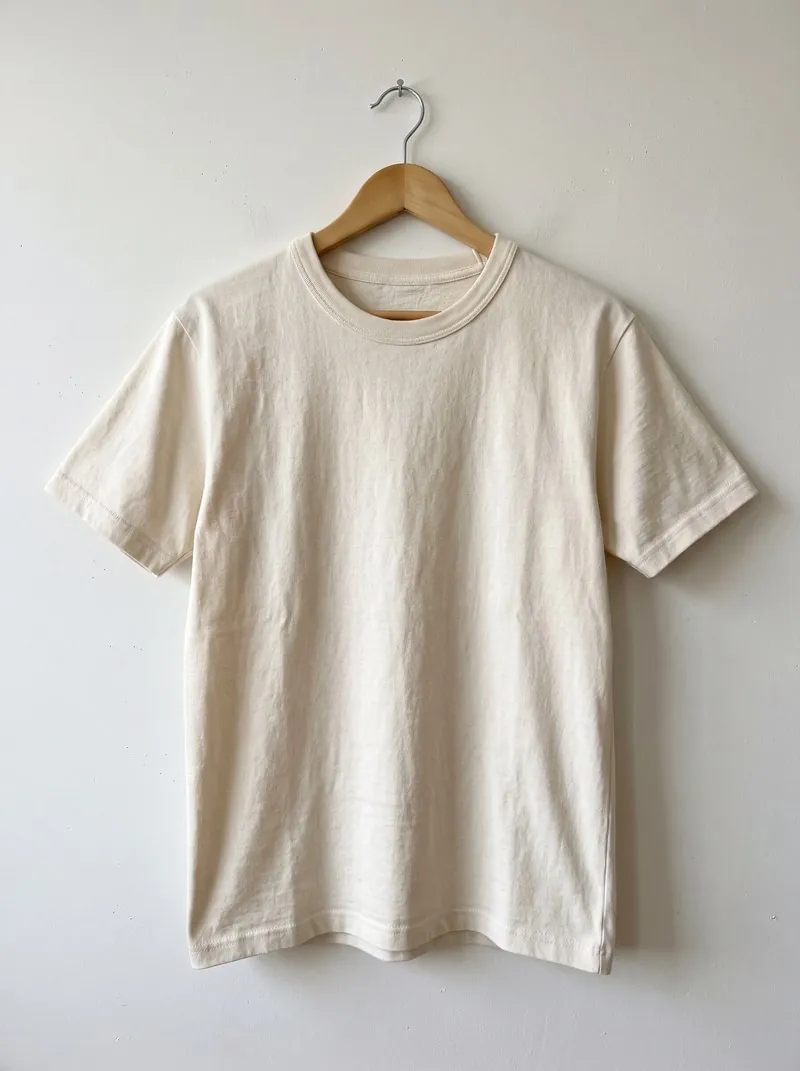
It is the quickest way to photograph clothing: no model, no mannequin and little floor space. A hanger shows the length of a dress, a coat or a shirt and the way the fabric falls under its own weight, which a flat lay does not. Resale platforms often suggest it to sellers who do not want to wear the item themselves, and wholesale catalogues use it for long ranges that have to be photographed quickly.
As a finished image it has clear limits. A garment on a hanger has no body: the shoulders take the shape of the hanger, knitwear forms points at the shoulder seams, the waist has no shape, and trousers hang flat from clips. The hook and the wall stay in the picture. Fashion marketplaces differ here, and several exclude hanger shots for adult clothing while accepting them for children's wear. Where it is used, a plain hanger, a steamed garment and a centred hook keep it tidy.
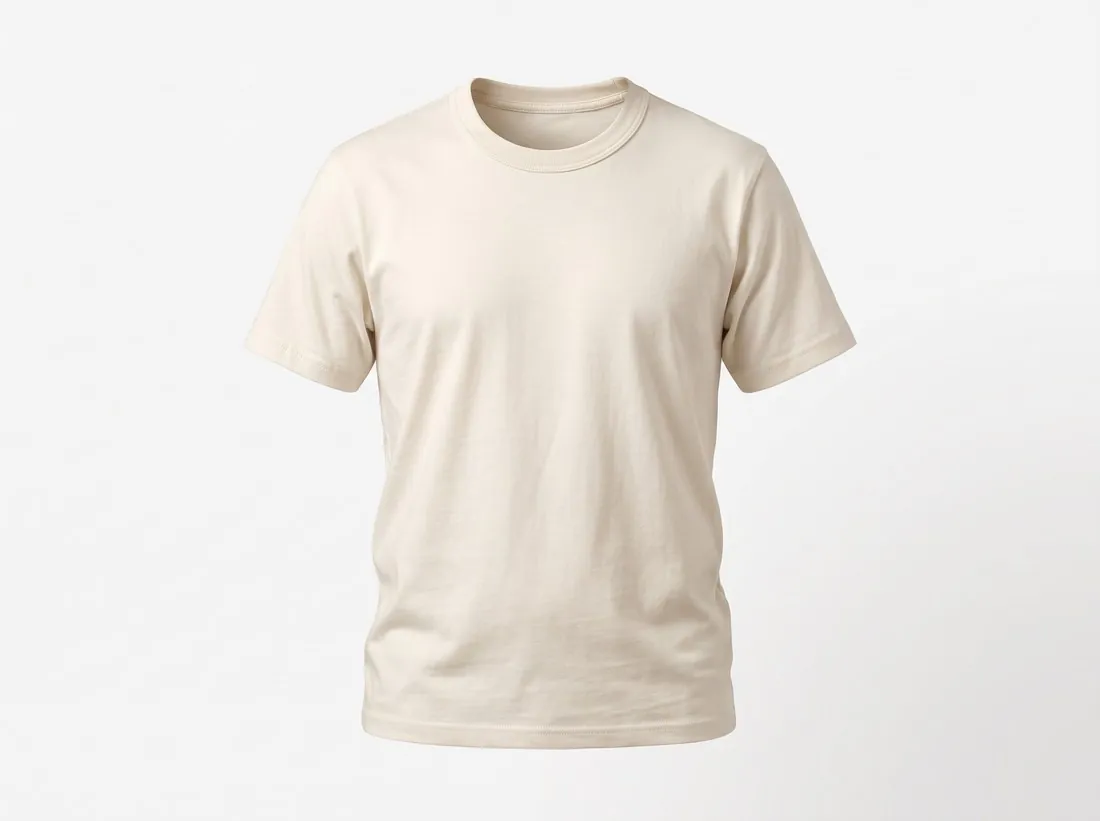
As a source photo, a hanger shot is a common starting point for a ghost-mannequin image or an on-model image. It serves that role when it shows the whole garment from the front, straight on, in even light, with the collar, the sleeves and the hem visible. What it hides cannot appear faithfully in the result: a sleeve tucked behind the body, a waistband pinched by a clip or shoulders pushed out of shape by a hanger that is too wide.