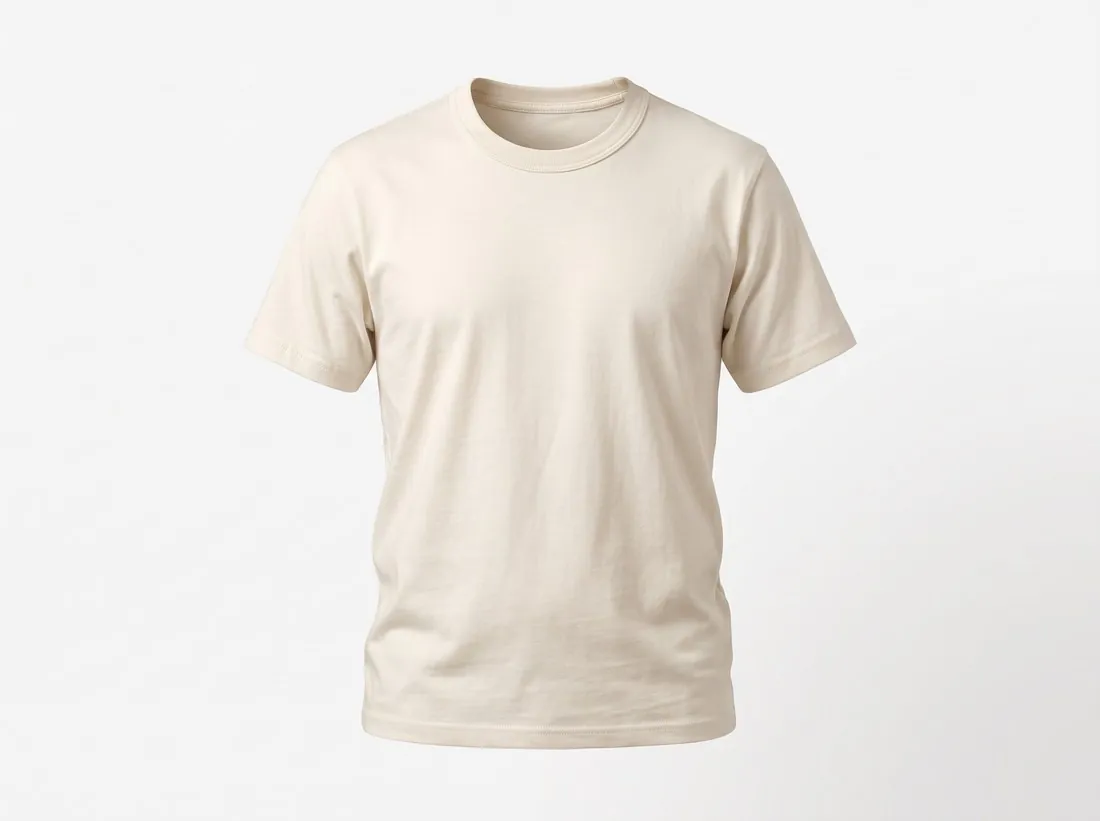
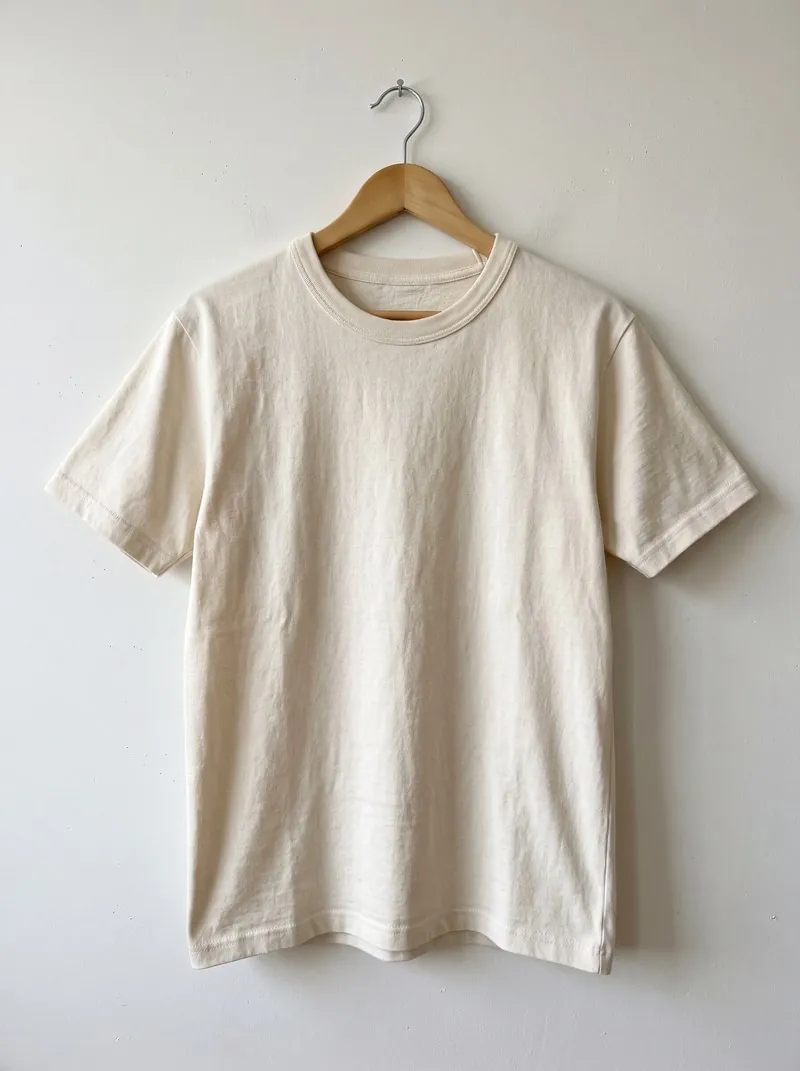
Mockups are common in print-on-demand and for new designs: a graphic is laid onto a photographed or rendered blank, and the folds and shadows of the template bend the artwork so that it looks printed. They let a seller show one design in many colours and on many products without making samples, which suits pre-orders, line sheets and social posts.
The limit is that a mockup shows the template, not the item that will be shipped. Print size and position, the real colour of the blank, the weight of the fabric and the way ink sits on a knit can all differ from the picture. Generic templates are also used by many sellers at once, so the same body and pose turn up in competing listings. Many marketplaces ask for photos of the actual product and do not accept renderings or illustrations in their place.
Where a mockup is used, the safer path is to build it on the exact blank that is printed, to match placement and scale to the production file, and to add or switch to a photo of a real sample as soon as one exists. A template also comes with its own licence, which states whether mockups made from it may appear in commercial listings and ads.