A leaning pose, weight on one side.
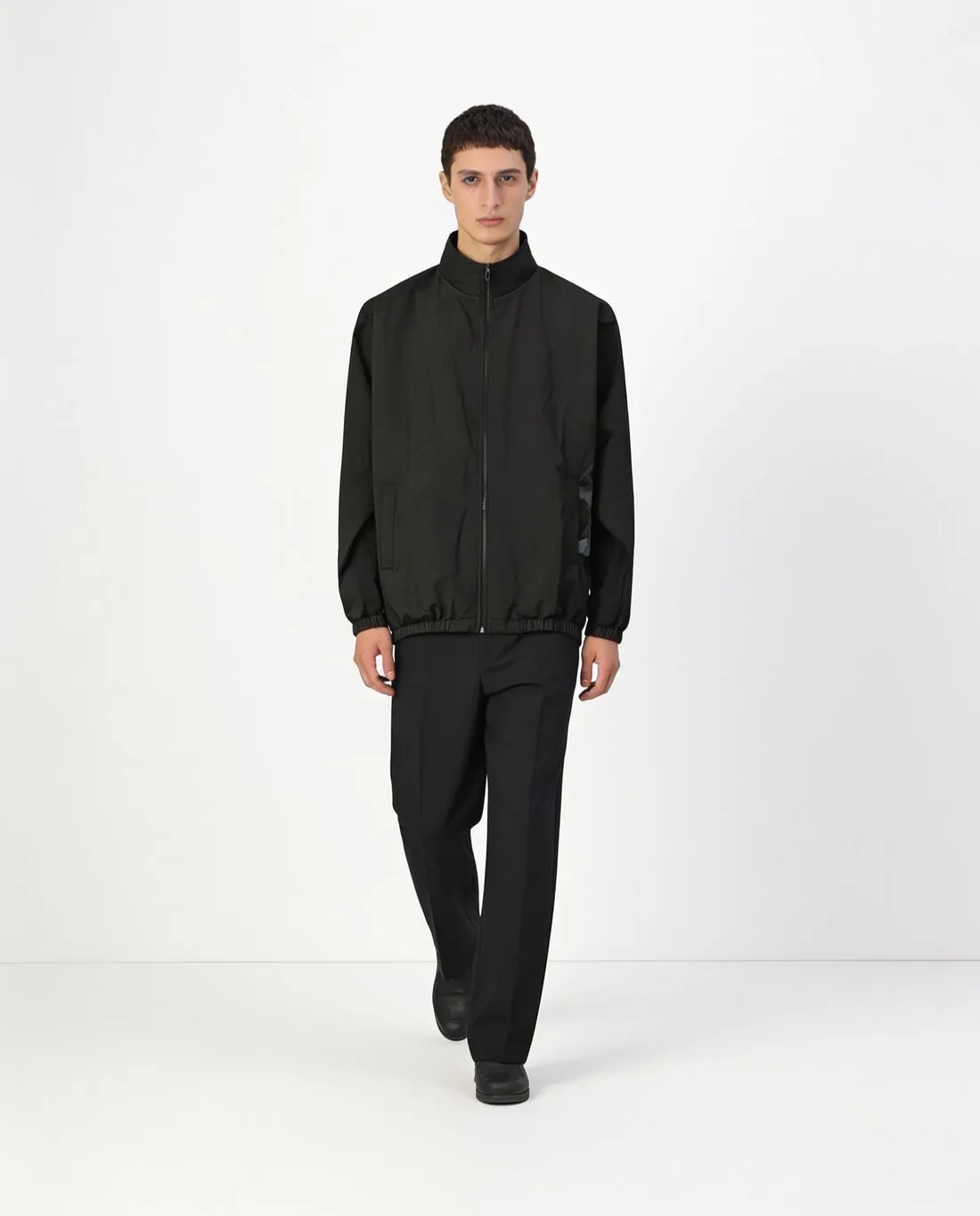
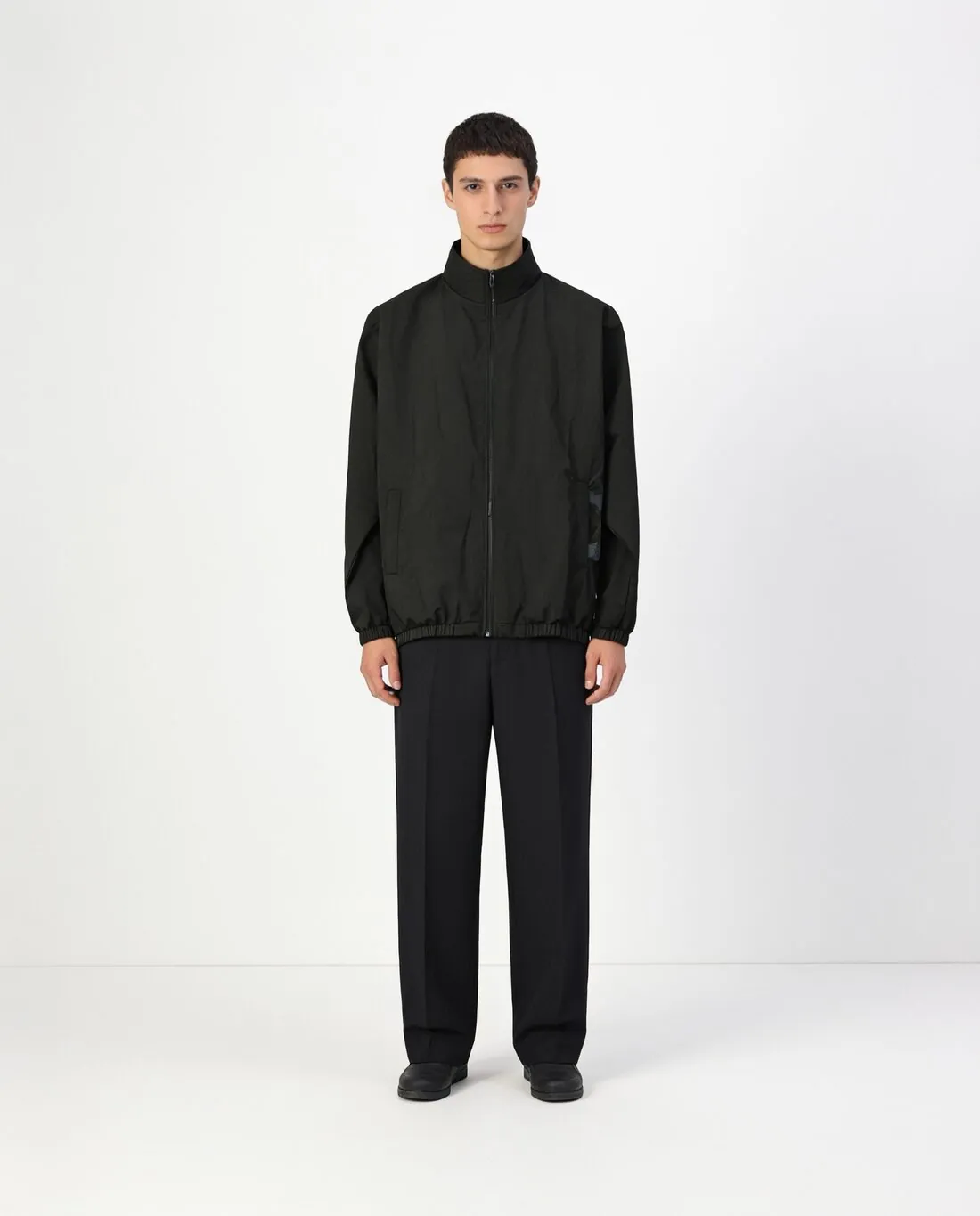
A lean takes the stiffness out of a standing image: the weight moves to one leg, one shoulder drops and the body forms a soft diagonal. Herofab renders that stance from an image of a model wearing the product and is briefed to keep the same person, garment, background and light.
How a lean changes the hang of a garment.
- 1
One shoulder lower than the other
When the weight shifts, the shoulder line tilts and the garment hangs from the higher side. A neckline sits off-centre, a jacket front swings open on the low side, and a strap or a wide collar may slide. These shifts belong to the pose; the neckline shape and the collar itself should still match the starting image.
- 2
Creases at the waist
The side that carries the weight shortens, and cloth gathers there in diagonal creases between rib and hip, while the opposite side is drawn smooth. Knitwear folds softly, poplin breaks sharply, a lined blazer hardly at all. The creases are rendered, so ask whether they fit the weight of the real fabric.
- 3
A hem that slants
With one hip raised, the hem of a top, a skirt or a coat runs at an angle and the side seams lean with it. Length is harder to read than in a straight stance. Compare the hem with the starting image on both sides, and check pockets and buttons on the side that the lean turns from the camera.
The starting image for a lean.
- Start from an upright standing image, front or three-quarter, with the garment visible from collar to hem and the shoulders level.
- On a location image the lean uses what the scene already has: the model is briefed to lean against a wall, a railing or a rock that is already in the background, and no foreign prop is brought in.
- On a plain studio background the model leans against a plain surface, so see that the support reads as part of the studio and does not cover the garment.
Leaning pose, answered.
What does the model lean against?
Something that is already in the background of the starting image: a wall, a railing, a rock or another surface in the scene. The background is briefed to stay as it is, so no piece of furniture from elsewhere is added. On a plain studio background the model leans against a plain surface. See that the support does not hide a sleeve or a side seam.
Is a lean right for tailoring, or only for casual wear?
It reads most naturally on relaxed pieces: knitwear, shirts worn loose, denim, wide trousers, soft dresses, casual outerwear. Structured tailoring is cut to hang straight, and a lean bends its lines, so a suit jacket is judged more clearly in an upright view. A lean can still serve as a second, less formal image of it.
Why does the garment look shorter on one side in the result?
Because the hip on the weight-bearing side rises and takes the hem with it, as it would on a person. The garment is briefed to stay the same, so the difference should be a tilt and not a change of length. Judge it by eye against the starting image: where the hem meets the thigh or the knee on each side.
How much does it cost?
3 credits per image, plus one credit for 4K. The cost is shown before you generate, and if a job fails the credits are returned. The 20 free credits at sign-up cover 6 images with this tool.
Your next collection, shot this week.
20 credits at sign-up, no card required. Images made with free credits carry a watermark.