The same outfit, now seated.
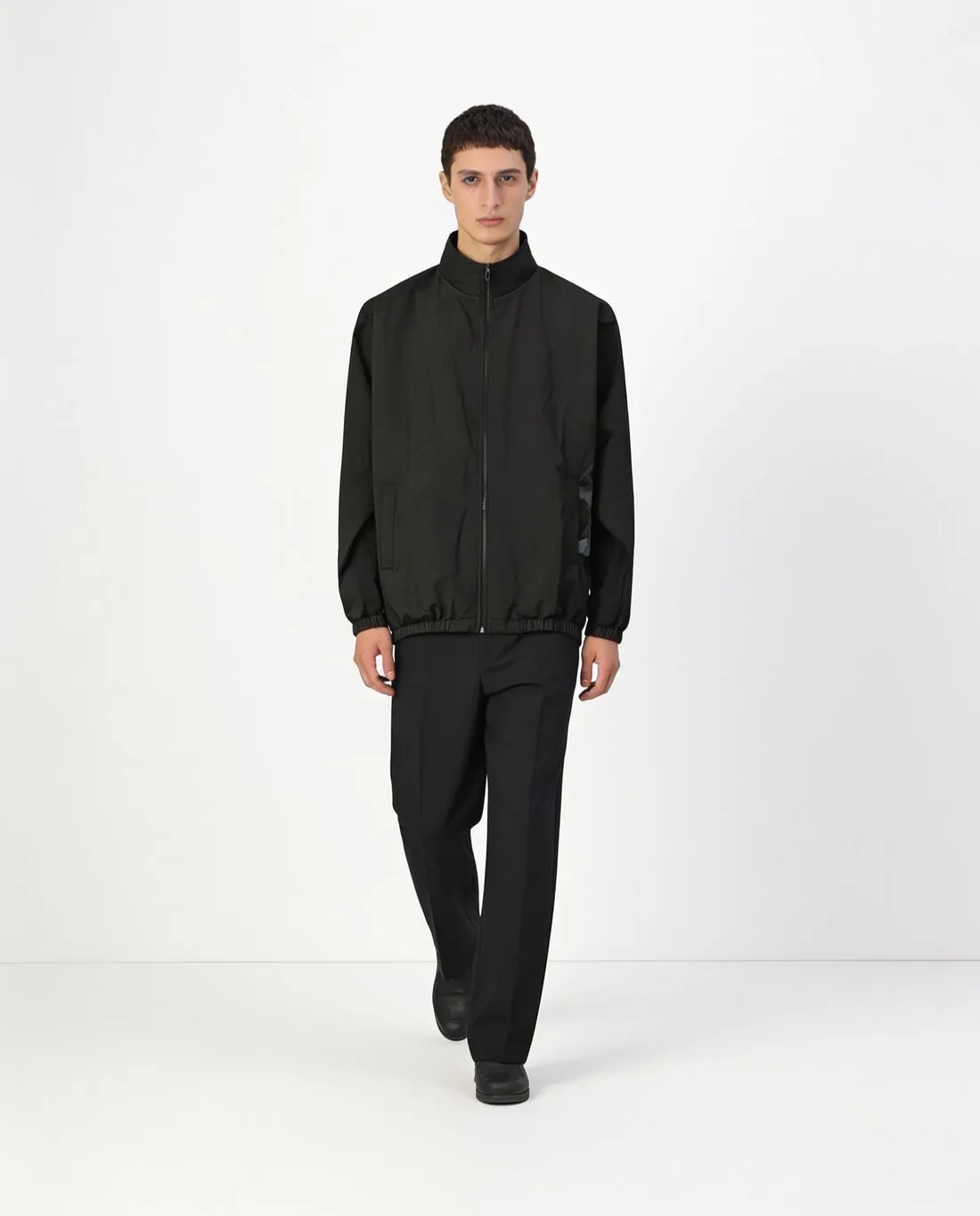
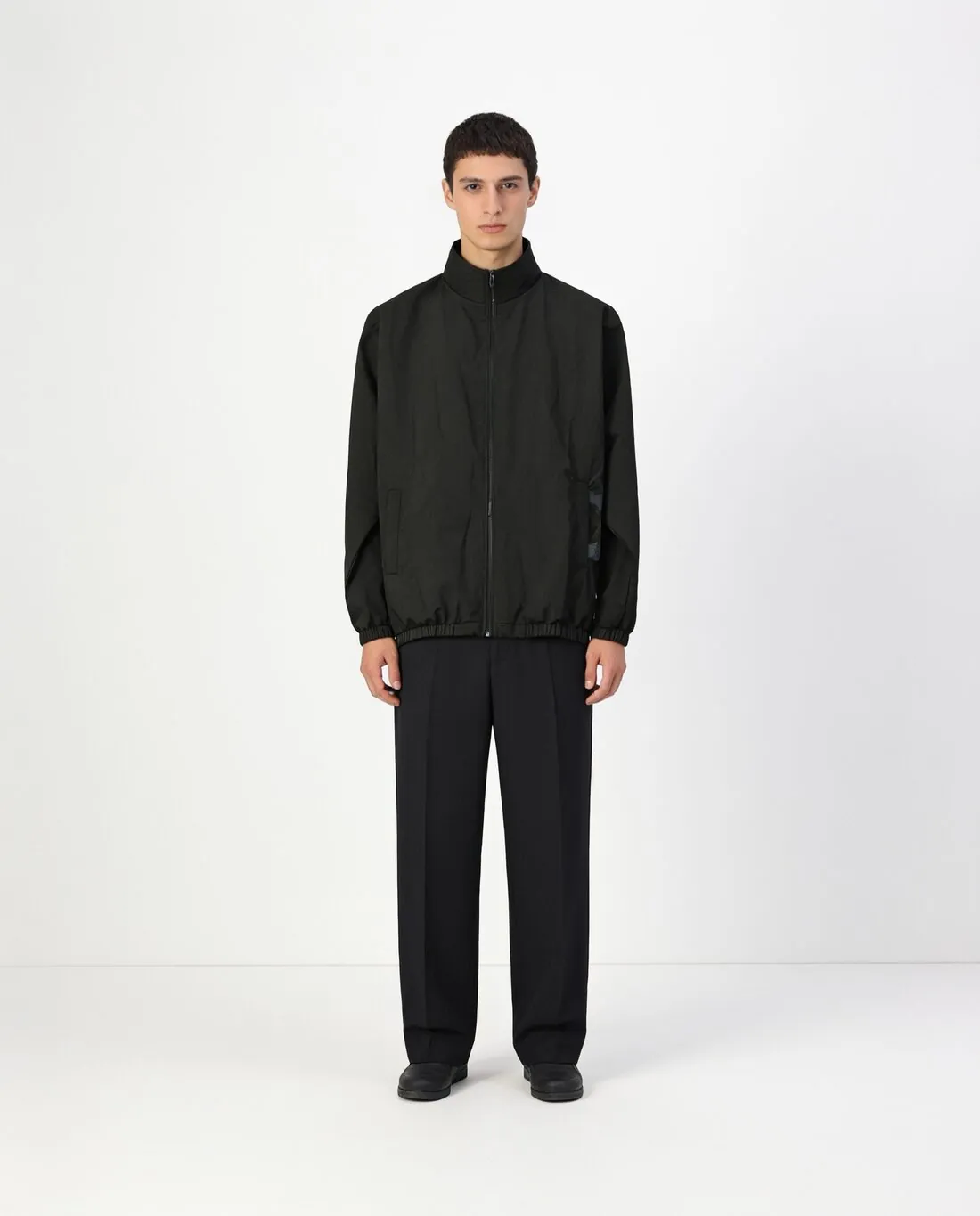
Clothes are worn sitting down for much of the day, and a seated image shows how they behave there. Starting from an image of a model wearing the product, Herofab delivers the same model in a sitting pose and is briefed to keep the same person, garment, background and light.
What sitting does to a garment.
- 1
Folds at the hip and knee
Seated, trousers crease at the hip and stretch over the thigh, the hem rises above the ankle, and a skirt shortens and spreads across the lap. A jacket bunches at the waist or opens if unbuttoned. These folds are rendered for the pose; judge whether they match how the real fabric would sit.
- 2
What a seated pose can hide
Sitting covers part of the garment: the lower front of a top behind the thighs or the arms, the back of a skirt, the seat of the trousers, sometimes a belt. A detail that sells the piece, such as a hem trim or a front pocket, may be out of view. Keep a standing image in the listing for those.
- 3
Waistband, buttons and lap
The waist is where a seated image is busiest. Check the waistband and belt loops, the fly or button placket, the number of buttons on a jacket front and any print that crosses the lap, comparing each with the starting image. Hands resting on the lap can cover that very area.
Choosing the starting image for a seated pose.
- Start from a standing, front-facing image in which the whole garment is visible, the waist and the hem included.
- Pick an image without a bag, a coat over the arm or crossed arms in front of the body, so nothing already covers the waist area.
- Prefer a plain studio background for the starting image; the background is briefed to stay, and a seated figure reads clearly against a simple one.
Sitting pose generator, answered.
How do trousers and skirts look when the model sits?
With the folds of a seated body: creases at the hip, fabric drawn over the thigh, a hem that sits higher than when standing. The garment is briefed to stay the same, so its length and width should still agree with the standing image. Compare the hem and the leg width in both.
Is a sitting pose suitable as the only image of a garment?
It serves better as an additional image. A seated pose hides part of the garment and changes how its length reads, so the plain standing view remains the reference. Together they show the piece at rest and in a common everyday position.
Why do the buttons or the belt need a check after sitting?
Because the pose folds the front of the body, and small repeated details sit inside those folds. Buttons, a belt buckle, belt loops and pocket openings are the hardest details to keep when the body changes position. Count the buttons and look at the buckle in the delivered image before publishing.
How much does it cost?
3 credits per image, plus one credit for 4K. The cost is shown before you generate, and if a job fails the credits are returned. The 20 free credits at sign-up cover 6 images with this tool.
Your next collection, shot this week.
20 credits at sign-up, no card required. Images made with free credits carry a watermark.