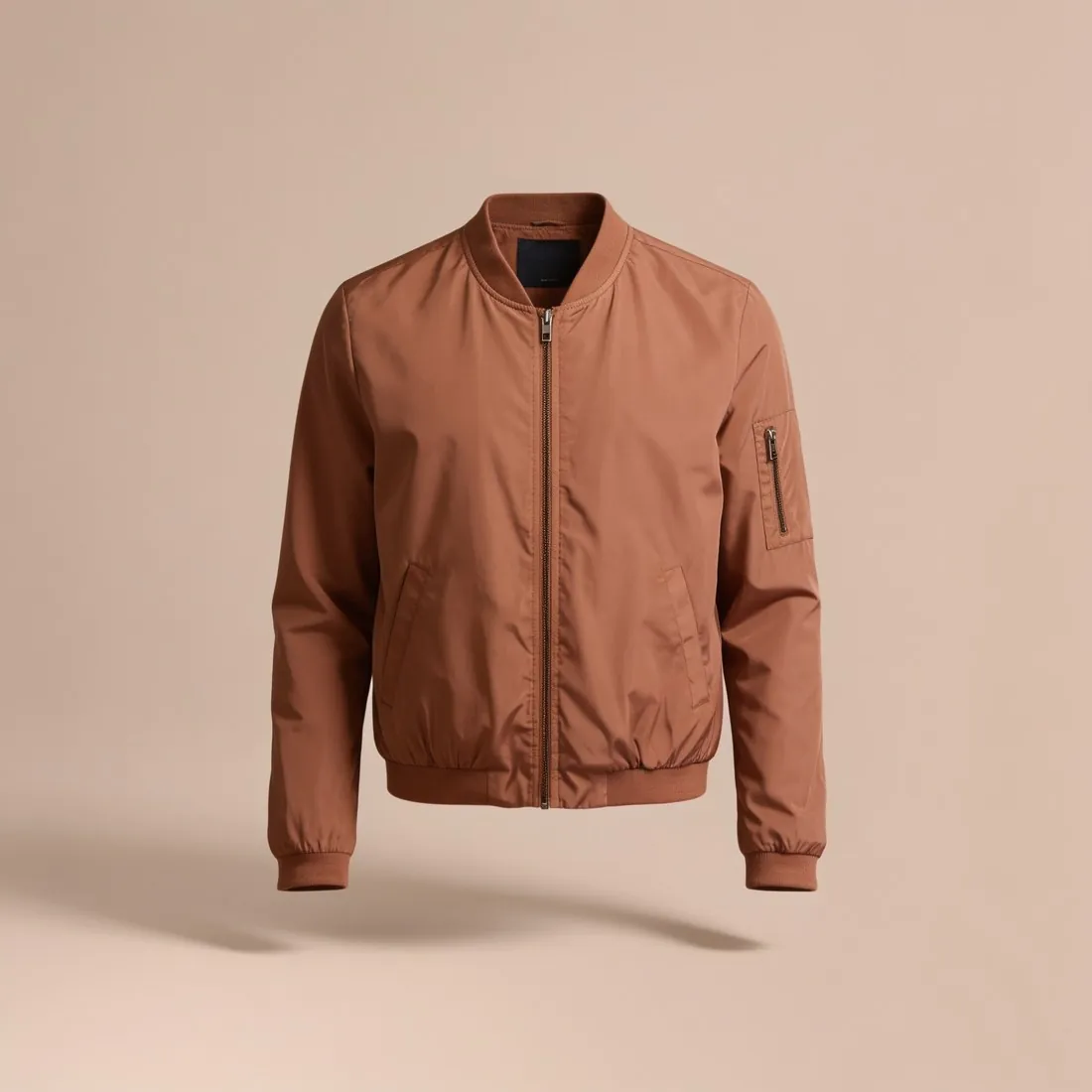
The word describes the effect: the outer line of the product stands unbroken against an empty ground. Nothing overlaps it, nothing props it up visibly, and the background carries no scene. Silhouette, packshot and cut-out overlap in use; silhouette puts the weight on the readable outline.
A clear silhouette is what makes a product recognisable at thumbnail size and comparable in a row of search results. It depends on contrast between product and ground, which is why white, cream and transparent products are the hard cases, and on an arrangement in which straps, handles and cables do not cross the body.
Marketplaces that ask for a silhouette want it as the first image or beside images that show the product in a setting. Photographing the product on a contrasting surface, with its whole edge visible, gives background removal a clean line to follow.
Silhouettes and scenes: the two halves of a shot list
Retailers that plan photography by shot list usually divide it into two groups. Silhouettes show the product alone on a plain ground; scene pictures, also called lifestyle or environmental shots, show it in a room or in use. The word is most at home in furniture, lighting and homeware, where the shape of a product is much of what is being sold.
A silhouette set often covers more than one view: the front, a three-quarter view, the side, the back and, where it matters, the top. Marketplaces that use the term tend to ask for the silhouette on white or another plain ground, and some ask for scene pictures beside it. What a few of them publish on this is quoted in the rule rows further down.
Preparing a product so that its outline is true
The outline in the picture should be the outline the product has in use. Soft bags are filled so that they stand in their full shape, boots are given shapers, cushions are plumped, and lamps are photographed with the shade straight. A collapsed bag or a leaning shade produces a clear outline of the wrong shape.
Whatever holds the product must stay out of the outline. Stands, clamps and threads are placed behind the product or removed in editing, cables are coiled out of sight or led straight out of the frame, and lids, doors and drawers are closed unless the open state is the subject of the picture.
Camera position and the small-size test
Camera position changes the outline as much as styling does. A camera placed very close enlarges the nearest part of the product, so a sofa photographed from a short distance seems to bulge towards the viewer; stepping back and zooming in keeps the proportions true. Height matters too: seen from too high, tall furniture narrows towards the floor and its legs look short.
A simple test shows whether the outline works. The picture is reduced to the size of a search result and looked at for a moment. If the kind of product can still be named, the silhouette is clear. Thin parts are the first to fail: wire legs, glass stems and fine chains fade into the ground at small size and may call for a different angle or, where the channel allows one, a slightly darker ground.
Silhouette image and related terms
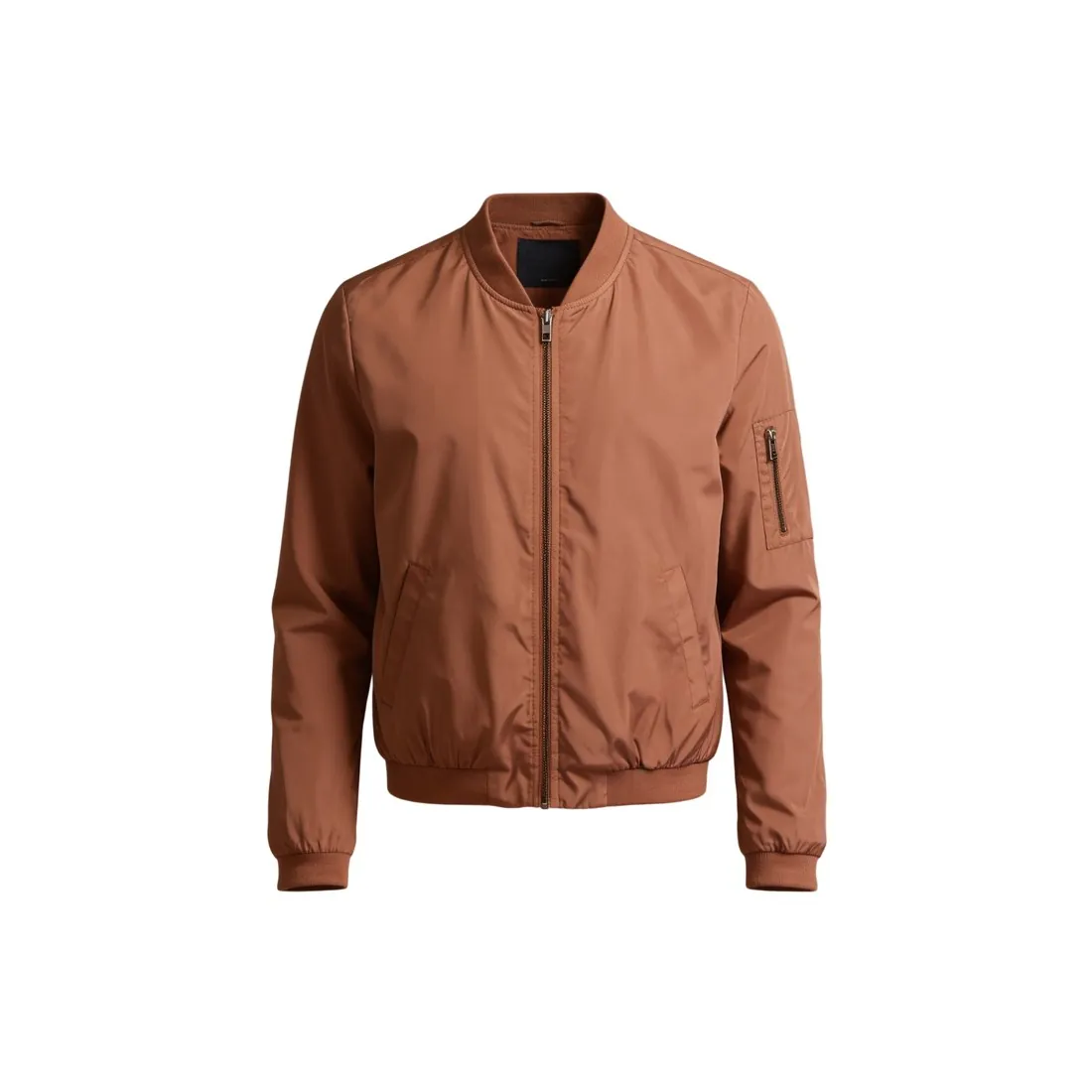 Cut-out image
- A cut-out image is defined by how it was made: the background was removed. A silhouette image is defined by how it looks, and a product photographed with care on a plain backdrop can be one without any cutting out.
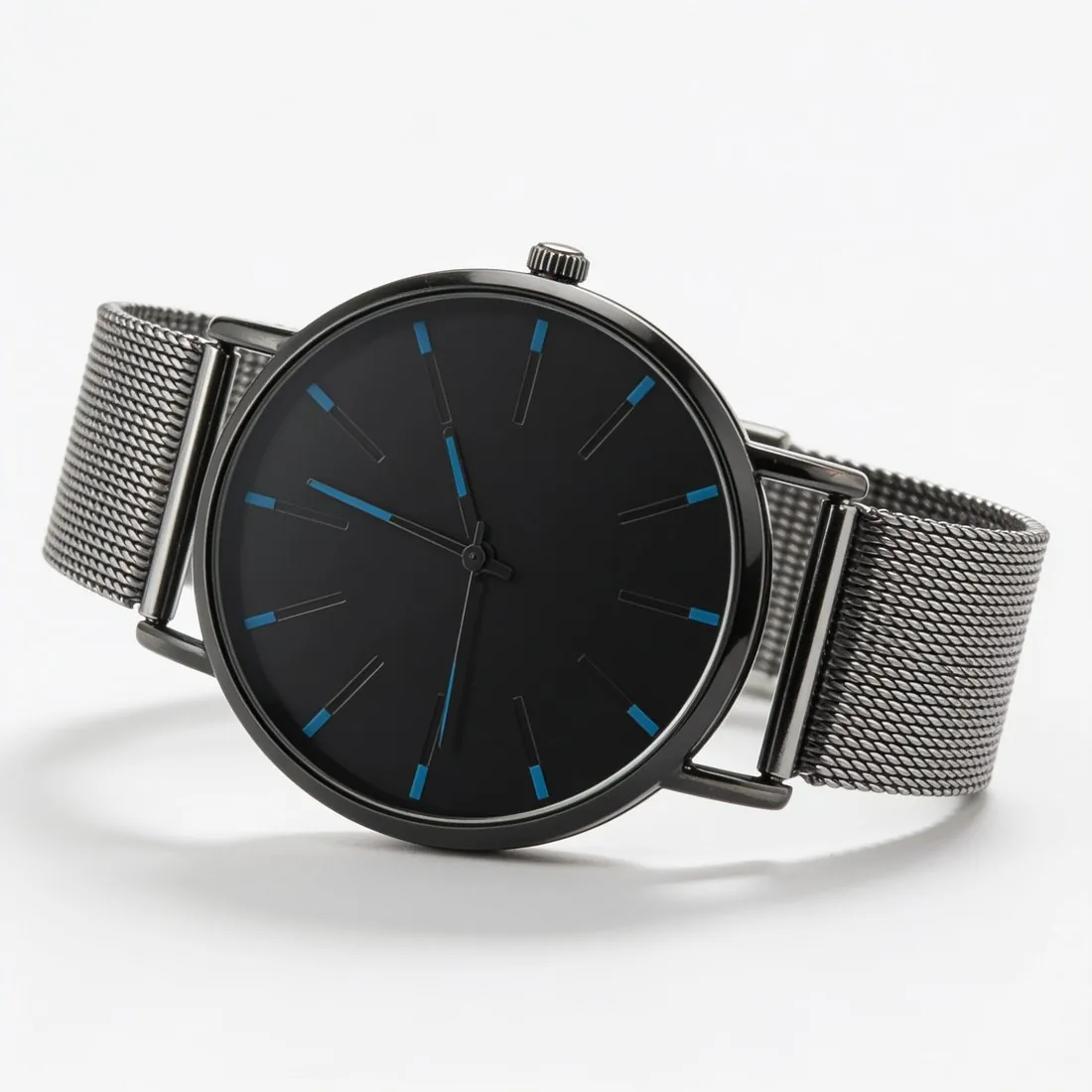 Packshot
- A packshot is the product-only photo on a plain background. The two words describe largely the same picture; packshot is the more common word in fashion and packaged goods, and silhouette stresses that the outline is unbroken.
- Pure white background
- A pure white background is one specific ground: white of the highest pixel value. A silhouette needs a plain ground, but not necessarily this one; light grey gives a silhouette as well, and for a pale product often a clearer one.
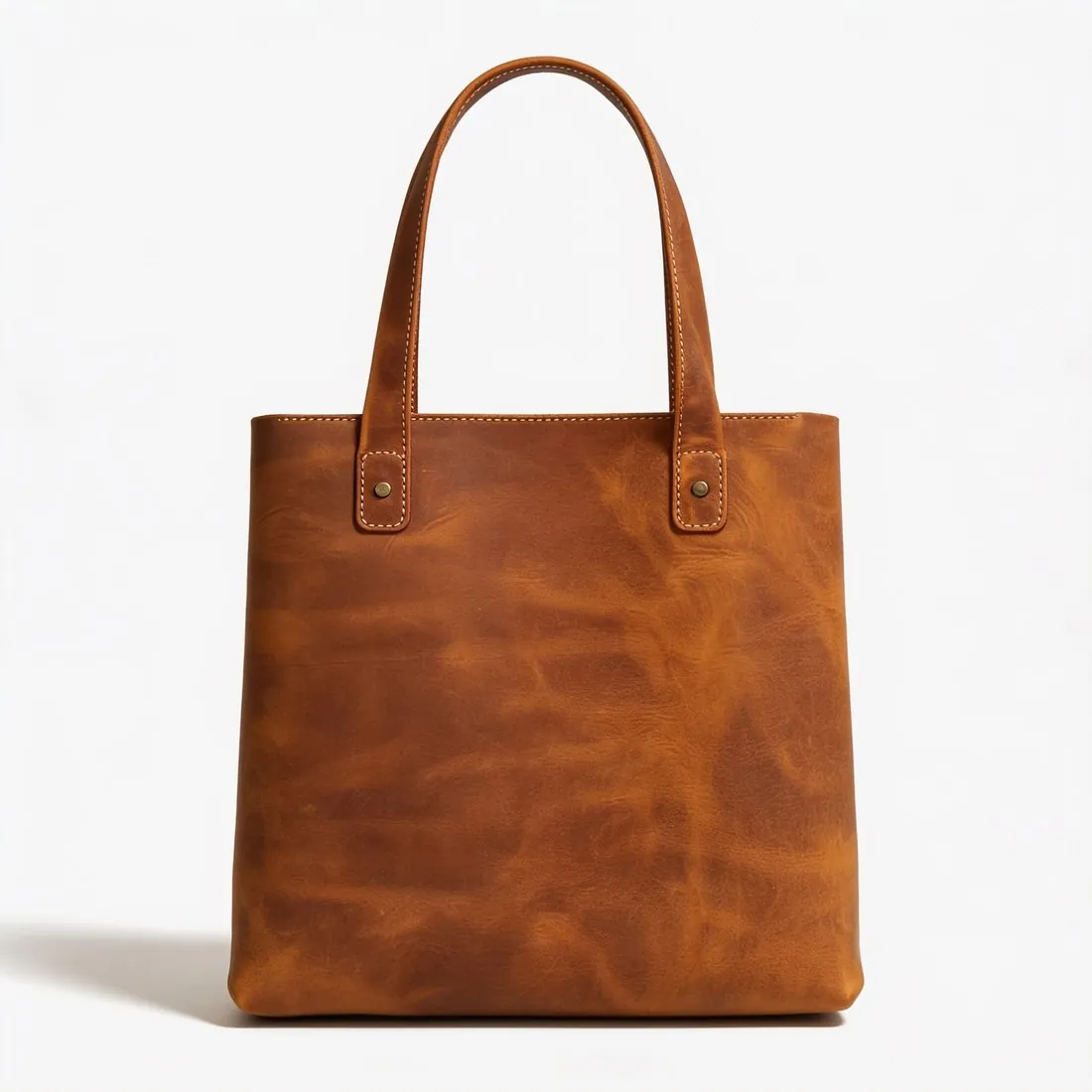 Main image
- The main image is the first picture of a listing; the term names a position, not a style. A silhouette image is the style most often placed there, because it stays readable at the size of a search result.
A checklist for a silhouette image
- The whole product is inside the frame, and no part of its outline is cut off by the edge of the picture.
- Nothing touches or crosses the outline: no prop, stand, hanger, hand or second product that is not part of the offer.
- The kind of product can still be recognised when the picture is reduced to the size of a search result.
- The ground is plain and even, and it contrasts with the product along the whole outline; no stretch of the edge disappears into it.
- Upright lines of the product are upright in the picture, and its proportions match the product as it stands in a room.