One source photo, sized for each channel.
A seller listing on several marketplaces prepares the same product more than once: a plain main image for one, another size for the next. Herofab makes a packshot on white from one phone photo, then further images from the same source, and each delivered image can be downloaded in marketplace sizes without cropping the product.
What multi-channel listing comes down to.
- 1
The main image first, then the rest
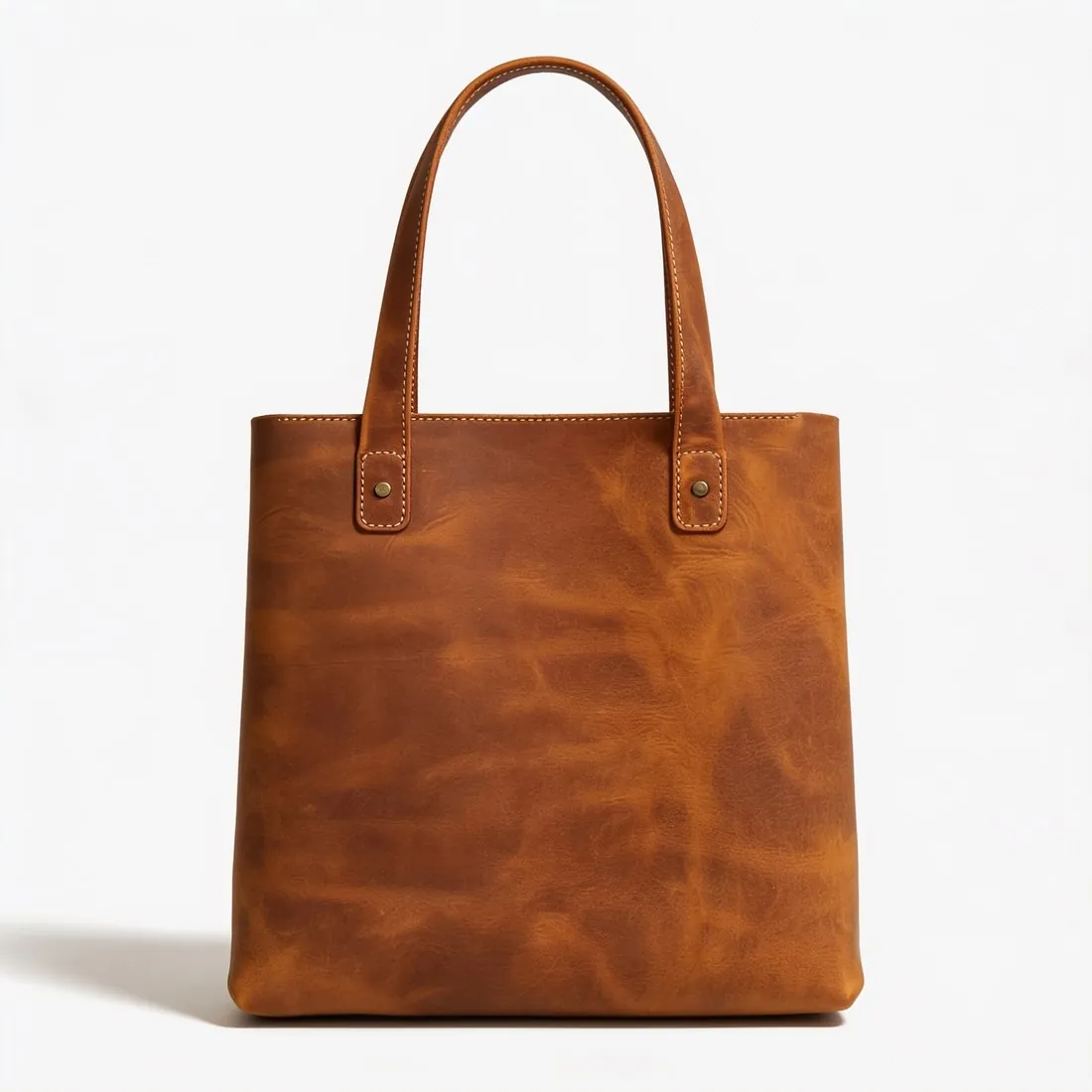
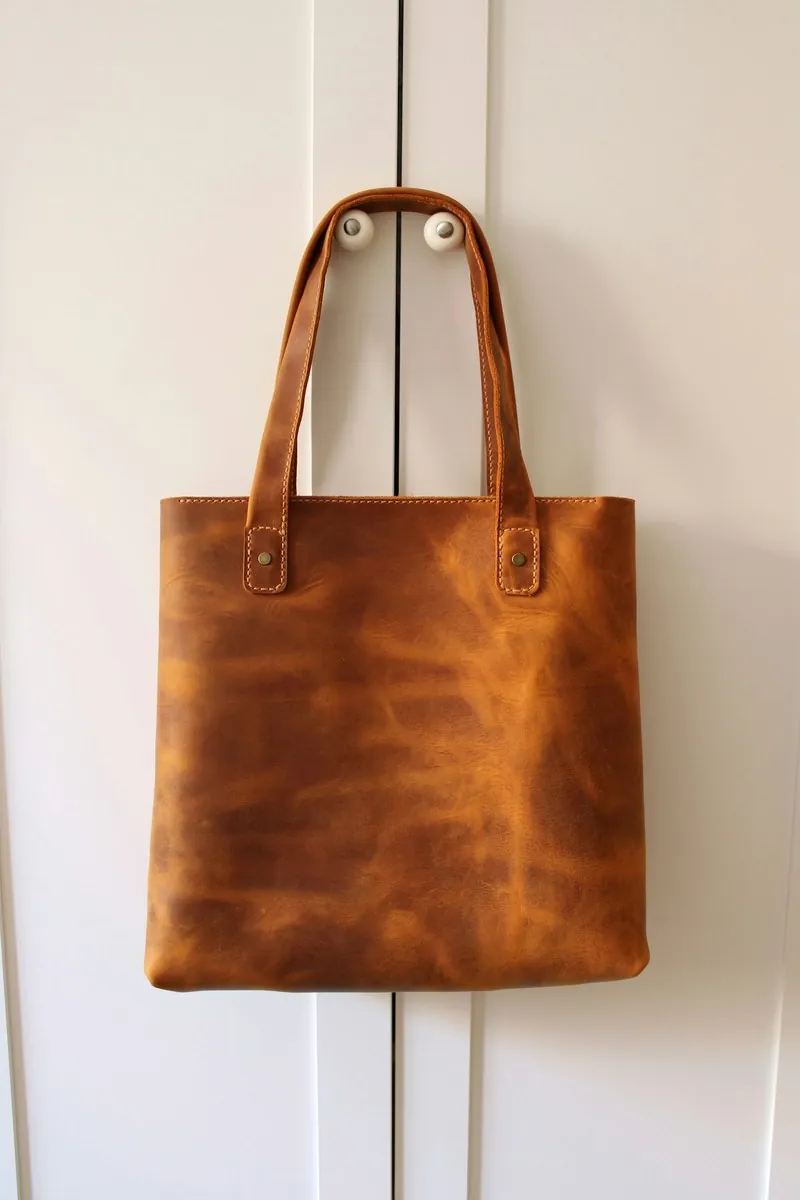
A listing usually opens with the product alone on a plain white ground, with no hands, props or added text. That is the packshot. The additional images come after it: another angle, a ground of wood, linen or marble, a home or an outdoor setting. All of them start from the one source photo, so the listing shows one product throughout.
- 2
Sizes chosen at download
Channels ask for different dimensions and proportions. A delivered image, in 2K, or 4K as an option, is downloaded in the marketplace size that is needed, and the product is not cropped to fit. Square, portrait and landscape ratios are chosen when the image is made, so settle the ratio with the strictest channel in mind.
- 3
Each channel's rule, read by the seller
Image rules differ from one marketplace to the next, and they change. Herofab delivers the image; the seller reads the current rule of each channel before publishing: the background, how much of the frame the product fills, what may appear beside it. On the product itself, small label text is the first detail to compare with the item.
The one photo that serves every channel.
- Photograph the product once, whole and sharp, straight on, with a little room around it; the image for every channel is made from this one file.
- A table, a hand or a box in the frame can stay, but take the product out of its wrapping, because a packaged product is flagged before any credit is spent.
- Turn the label to the camera and zoom in on the photo to see that its smallest text is readable, since that text is compared on each channel's image.
AI product photos for marketplace sellers, answered.
Does one image meet the image rules of every marketplace?
No single image is promised to. Herofab delivers a plain white packshot and lets it be downloaded in marketplace sizes without cropping, which covers format and dimensions. Whether a channel accepts a shadow, a certain fill of the frame or a certain background is that channel's current rule, and the seller checks it before each upload.
What can follow the white main image in a listing?
Further images from the same source photo. The packshot can be made front, three-quarter, side or top-down, with a soft shadow, none or a reflection. For scene images the grounds are studio grey or beige, marble, wood, linen and a podium, and the settings are outdoors, a home interior or a background image of the seller's own.
What happens to the credits when an image for a listing fails?
A failed job returns its credits: they are only held from the start of the job and are charged on delivery. The fixed credit cost of the tool is displayed before generation. A source photo showing nothing but the back of a product, or a product left in its packaging, is flagged before a credit is spent, so it can be taken again first.
How much does it cost?
4 credits per image, plus one credit for 4K. The cost is shown before you generate, and if a job fails the credits are returned. The 20 free credits at sign-up cover 5 images with this tool.
Your next collection, shot this week.
20 credits at sign-up, no card required. Images made with free credits carry a watermark.