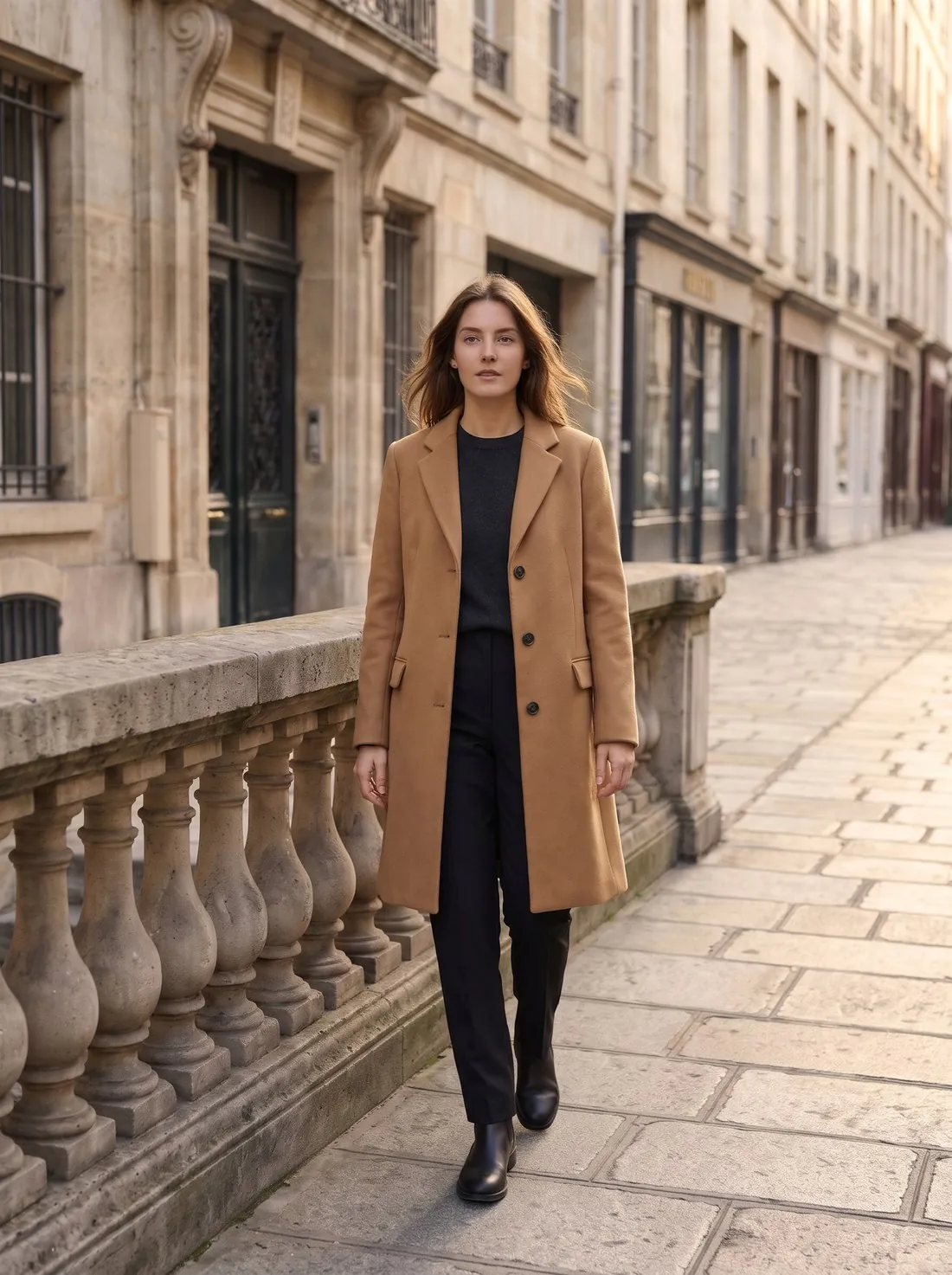
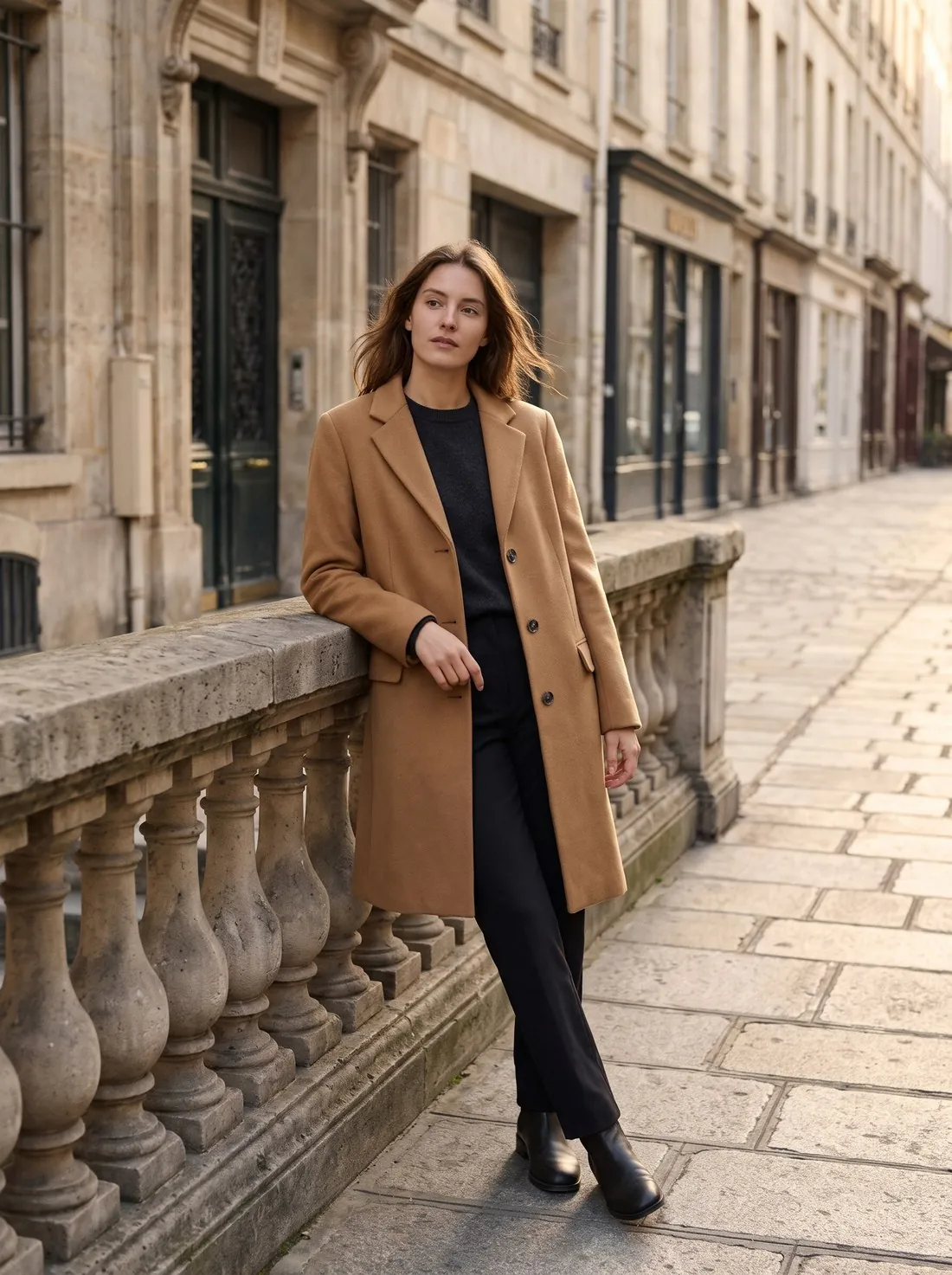
Which fashion brands have used AI models?
Twelve named fashion brands appear below, each with a date and a readable news or company report of AI models or AI-generated imagery. J.Crew alone had not directly acknowledged it in the reports read. The list was checked on 31 October 2026 and covers only named cases. It is not a census: most AI use is undisclosed.
The form column matters, because a digital twin of a paid, consenting model and a wholly synthetic person are different practices.
| Brand | What it did | Date | Form | Source |
|---|---|---|---|---|
| Levi's | Announced a test of AI-generated models with Lalaland.ai, offering more skin tones and body types | March 2023 | Synthetic models, test | Business Insider |
| Moncler | Experimented with an AI campaign, and now says it does not currently use AI models | 2023 | AI campaign, ended | Reuters |
| Etro | Spring/Summer 2024 campaign with AI-designed models, made with digital artist Silvia Badalotti | January 2024 | Synthetic models, campaign | FashionUnited |
| Atoir | Used AI in post-production for a 2024 collection and on a dress sold on The Iconic, with disclosure in the listing | 2024 to July 2025 | AI imagery on a product listing | Pedestrian |
| Mango | First generative AI campaign, for the Mango Teen Sunset Dream collection: real garments photographed, then shown on AI models. Reuters says it has since rolled out AI models at scale | July 2024, October 2026 | Synthetic models, campaign then scale | Mango; Reuters |
| H&M | Announced digital twins of 30 real models, with consent, paid at agreed rates and watermarked in social posts. First images unveiled on 2 July 2025 | March and July 2025 | Digital twins | BBC; FashionUnited |
| Zalando | About 70% of editorial campaign images were AI-generated in Q4 2024; digital twins in development. Closed both Berlin photo studios in 2025 and cut more than 340 jobs, though it says it kept some staff in other roles | May 2025, October 2026 | Synthetic imagery and digital twins | Reuters |
| About You | Closed its studio and is launching Scayle Studios, which makes AI imagery for other retailers. Now owned by Zalando | October 2026 | AI imagery service | Reuters |
| Guess | Ads in the August 2025 US Vogue used models created by the agency Seraphinne Vallora | August 2025 | Synthetic models, print ads | ABC News |
| J.Crew | Instagram images with a Sam Finn credit added after Blackbird Spyplane raised questions. J.Crew called them digital art and, in the August 2025 reports, did not directly acknowledge using AI | August 2025 | Reported AI imagery | Futurism |
| Zara | Used AI to create new images of real models in different outfits. Inditex says it agrees terms with models and uses AI only to complement existing processes | December 2025 | AI edits of real models | Reuters |
| Gucci | AI runway video in December 2025, then images labelled created with AI ahead of its Milan show | December 2025 to February 2026 | AI imagery, promotion | BBC |
What counts as an AI model?
An AI model can mean four different things, and news reports often use the same phrase for all of them. The difference decides who needs to consent, who gets paid and what a shopper is actually seeing.
| Form | What it is | Named example | Main question it raises |
|---|---|---|---|
| Synthetic model | A person who does not exist, generated from scratch | Guess, Mango, Etro | Disclosure and lost work for real models |
| Digital twin | An AI replica of a named real model, used with consent | H&M, Zalando | Consent, ownership and pay |
| AI edit of a real model | An existing photo of a real model altered to show another garment | Zara | Consent and whether the model is paid again |
| AI campaign imagery | AI-made scenes or promotional images, not a stand-in for a catalogue model | Valentino, Gucci | Brand fit, especially for craft and luxury |
Create a reusable synthetic model
Which brands have walked back or refused AI models?
Six named brands have walked back, shelved or publicly refused AI imagery. Walking back rarely means a stated reversal: Levi's restated its position, and no source confirms whether its test continued.
| Brand | What happened | Date | Source |
|---|---|---|---|
| Levi's | After criticism, said it was not scaling back live shoots and that AI models were not a means to advance diversity | March 2023 | Business Insider |
| Victoria's Secret | Commissioned AI images for a Barbie-inspired campaign and never released them. The agency founder said the brand feared backlash. The brand did not respond to Back Row | 2023, reported January 2024 | Back Row |
| Selkie | After criticism of Midjourney-based prints, the founder said she plans to stop using AI-generated images in future collections. This concerned designs, not models | January 2024 | TechCrunch |
| Moncler | Tried an AI campaign in 2023 and says it does not currently use AI models | Reported October 2026 | Reuters |
| Dove | Pledged never to use AI to represent real people in its advertising | April 2024 | Dove release |
| Aerie | Pledged not to use AI to create images of people or bodies, and to hold partners to the same promise. Built a 2026 campaign on it | October 2025, 2026 | Adweek; Fortune |
How much imagery do these brands make with AI?
Among the brands listed, only Zalando was found to have published a share: about 70% of its editorial campaign images in Q4 2024 were AI-generated, according to Reuters in May 2025. That figure covers editorial campaigns, not product pages. Zalando also reported production time falling from six to eight weeks to three to four days and costs falling by 90%. These are the company's own numbers, not audited results.
Other figures are thinner. Reuters described Mango's rollout in October 2026 as at scale, without a percentage. Scayle Studios told Reuters it has 130 brand clients and generated 190,000 outfits in the previous month. Reuters also reported that AI models could cut costs by 90% or more against photo shoots.
Contract language shows interest beyond disclosed use. In the same October 2026 report, based on 15 agency directors and more than a dozen unsigned contracts, Reuters described a Diesel casting sheet on face swapping and a Calvin Klein draft seeking to train AI on model images. Diesel's parent OTB said the release was specific to one campaign, and Calvin Klein said it is testing and learning. Those are contract terms, not confirmed use of AI models.
What is still unknown about AI models in fashion?
The largest unknown is undisclosed use: this list can only hold cases that were announced, labelled or found out. J.Crew became a case only after a newsletter noticed the images.
No brand on this list was found to have published the share of its product pages that use AI images, or a measured effect on sales, returns or brand value. Whether Levi's test continued, and how far Guess extended AI use beyond the 2025 ads, are not stated in the sources read. Reception also shifts over time: Back Row wrote in January 2024 that Valentino had used AI without headline-making backlash, and the BBC reported criticism of a later Valentino AI ad in December 2025.
Small brands are largely absent from the record, although Atoir shows they use AI too. For measured evidence on sales, the sibling page on conversion sets out what exists.
Should a smaller brand copy these brands?
A smaller brand should not treat large-brand adoption as proof that AI models work. Zalando has reported speed and cost gains, but no published evidence that sales rose was found for Zalando, H&M or Mango.
Copying the method without the safeguards is the risk. H&M's twins rest on consent and agreed pay. New York's Fashion Workers Act has made it illegal since June 2025 to create or modify a model replica without explicit consent, according to Reuters, and rules on disclosure vary by market and channel. This is not legal advice, and the sibling page on legality covers it.
AI models are the wrong choice for a brand whose promise is real bodies, as Aerie and Dove have made explicit, or for a garment that cannot be judged without seeing true fit, as the Atoir complaints showed. A real shoot, or real measurements beside the image, remains the safer route in those cases.
Put a garment on a model with Virtual try-on
Checklist
- Decide which form you mean: synthetic model, digital twin, AI edit or campaign imagery.
- Get written consent and agree pay for any real model's likeness.
- Do not call AI models a diversity measure.
- Keep real size and fit information beside any AI image.
- Keep the AI marker in the file, and check each channel's disclosure rule.
- Check every image against the real product before it goes live.
Sources
- Reuters via iTnews: Fashion's AI era, face swaps and digital clones (27 October 2026)
- Reuters via The Star: Zalando uses AI to speed up marketing campaigns (7 May 2025)
- Asharq Al-Awsat, citing Reuters: Zalando digital twins (7 May 2025)
- Reuters via ARY News: Zara and AI imagery (20 December 2025)
- BBC via MyJoyOnline: H&M digital clones (27 March 2025)
- FashionUnited: H&M to create twins of models (March 2025)
- FashionUnited: H&M digital twins campaign (July 2025)
- Mango press release: First campaign generated with AI (10 July 2024)
- Business Insider via Yahoo: Levi's on AI-generated models (2023)
- FashionUnited: Etro AI-powered campaign for SS24 (January 2024)
- ABC7 and ABC News: Guess AI ads in Vogue (1 August 2025)
- Pedestrian: Atoir and AI-generated models (13 July 2025)
- Futurism: J.Crew AI images (31 August 2025)
- BBC via AOL: Gucci criticised for AI images (25 February 2026)
- BBC via The Star: Valentino AI handbag ads (2 December 2025)
- Back Row: The selective backlash to fashion AI (written January 2024; the page shows 25 January 2026)
- TechCrunch: Selkie founder defends AI collection (19 January 2024)
- PR Newswire: Dove pledge on AI (9 April 2024)
- Adweek via American Eagle Outfitters: Aerie rejects AI in ads (October 2025)
- Fortune: Aerie's AI pledge (1 May 2026)
Checked 31 October 2026. Rules change; the official pages are the final reference.