A print on a garment, at the right scale.
A print reads differently on a body than on a roll: the size of the repeat, the run of a stripe and the breaks at every seam decide how it looks. Fabric studio applies a photographed print or pattern to an existing garment image, with everything but the cloth briefed to remain as it is.
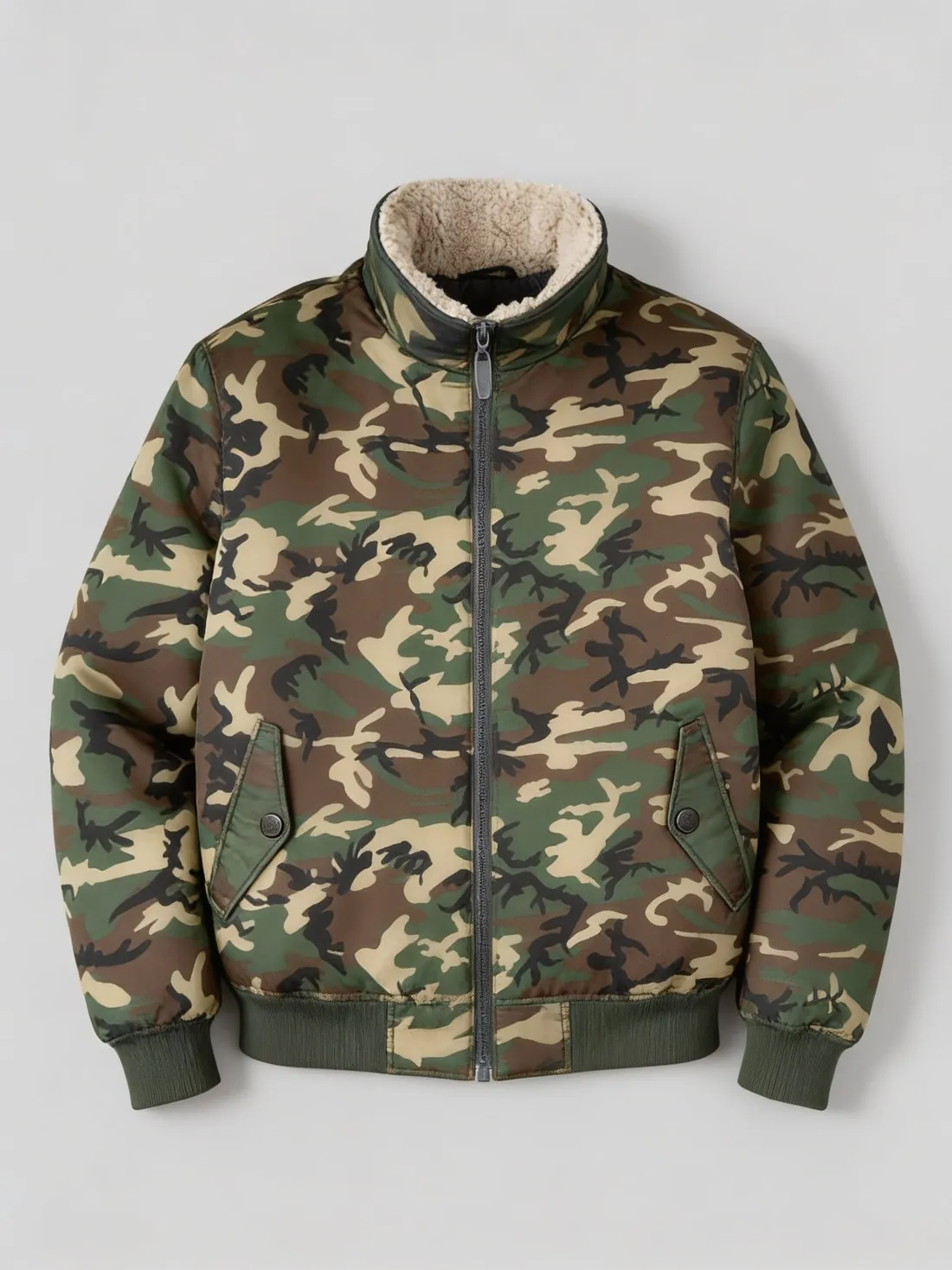
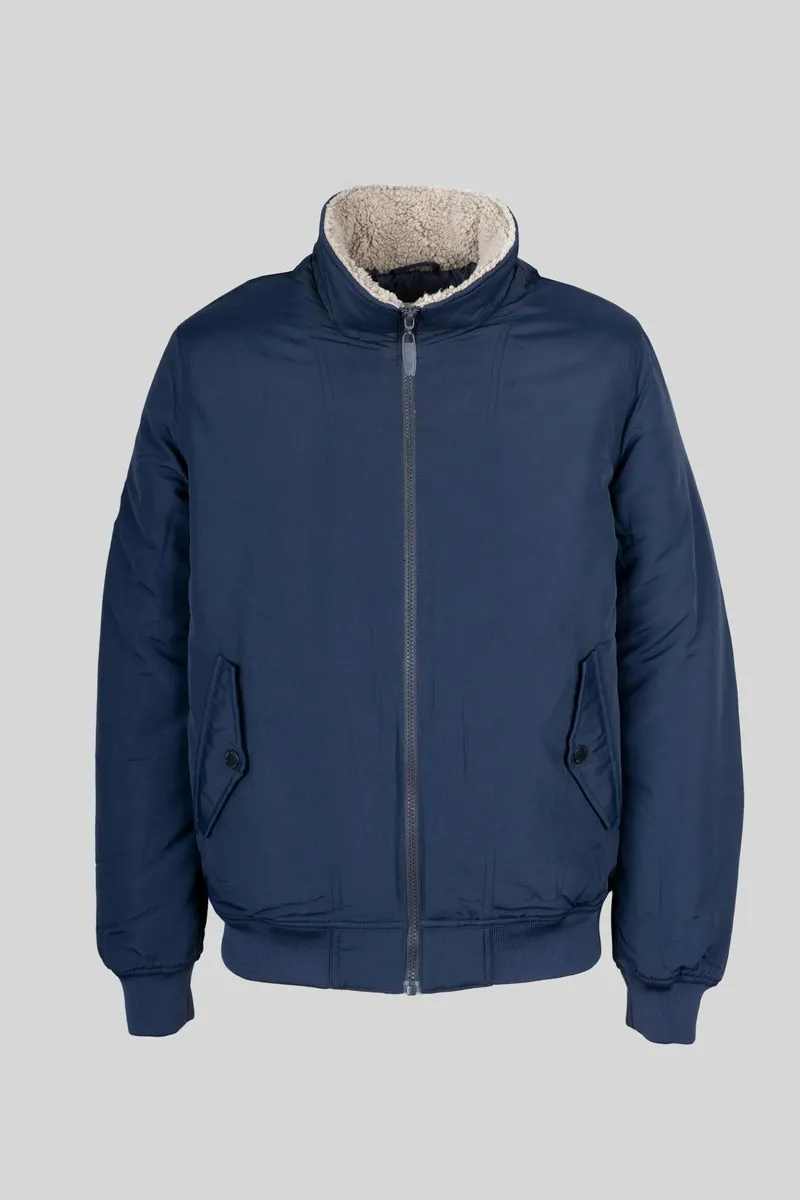
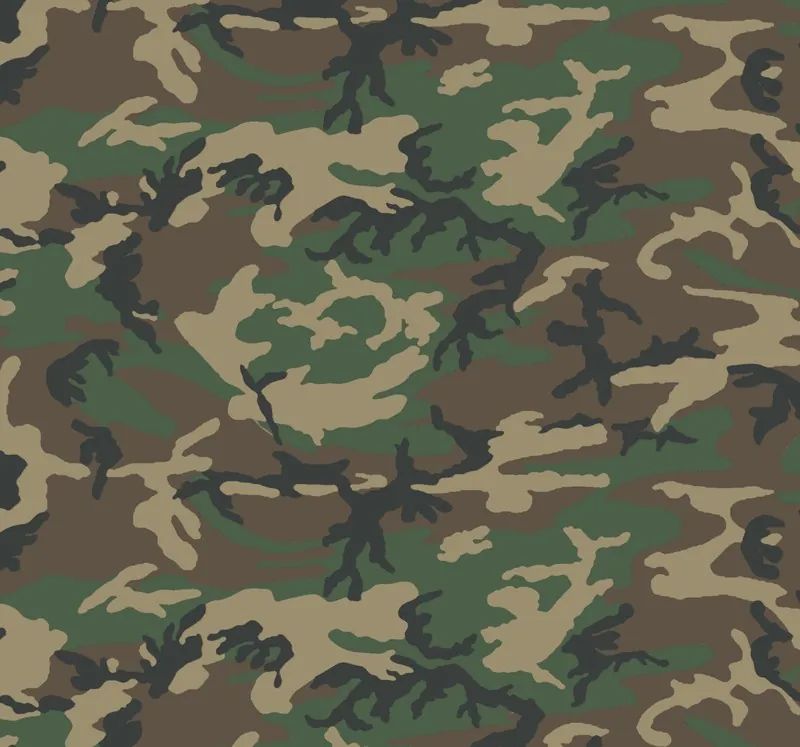
Where a print shows its quality.
- 1
Scale of the repeat
A floral that looks delicate on a swatch can overwhelm a dress, and a small geometric can blur into a plain colour at thumbnail size. The pattern scale is set as on the swatch, smaller or larger. Order the image at more than one scale when unsure, and judge each at the size a buyer first sees.
- 2
Direction of stripes and checks
Stripes and checks have a direction, and garments are cut with it: vertical on a shirt body, often horizontal on a yoke, turned on a cuff. Compare the result with how the real fabric will be cut. Look at the sleeves too, where a stripe should follow the arm and not the body.
- 3
Seams, pockets and plackets
On a sewn garment a pattern breaks at every seam, and a careful maker matches it across the front placket and the patch pocket. A pattern that flows unbroken over a side seam or a collar looks laid on afterwards. Check those joins before publishing, along with the buttons and topstitching that belong on top of the print.
The garment image and the print photo to supply.
- Photograph the print flat, straight on and evenly lit, with stripes or checks parallel to the edges of the photo so their direction is unambiguous.
- Show the full motif: for a large design or a wide repeat, step back until one complete unit of the pattern is inside the frame.
- Start from a garment image in a plain fabric, on a hanger, flat or on a model; an existing print or a busy texture underneath makes seams harder to follow.
Print pattern on clothing, answered.
Can I control how large the print appears on the garment?
Yes, in three settings: the pattern keeps the scale it has on the swatch photo, or is made smaller or larger. The scale is read from that photo, so lay the real cloth over the real garment and check the size of the motif on the result against it.
Is this for all-over prints or for a logo on the chest?
Fabric studio changes the cloth of the garment, so it suits all-over prints and woven patterns: florals, stripes, checks, dots, camouflage, jacquards. It starts from a photo of a fabric. A single graphic meant for one position, such as a chest logo, is a different task from changing the cloth.
Will stripes line up across the seams?
Matching is not something to assume. The garment's seams are briefed to stay where they are in the source, and the pattern meets them as the image is drawn. Inspect the side seams, the shoulder, the pocket and the placket, and compare them with how the pattern will be matched in production.
How much does it cost?
5 credits per image, plus one credit for 4K. The cost is shown before you generate, and if a job fails the credits are returned. The 20 free credits at sign-up cover 4 images with this tool.
Your next collection, shot this week.
20 credits at sign-up, no card required. Images made with free credits carry a watermark.