Jewelry in a scene, kept large in the frame.
A ring or a pair of earrings is a few centimetres of metal and stone, and a scene can swallow it. Canvas builds the setting described in a written brief around a photo of the piece, a slab of stone, a fold of silk, a small tray, and the piece is briefed to stay as photographed.
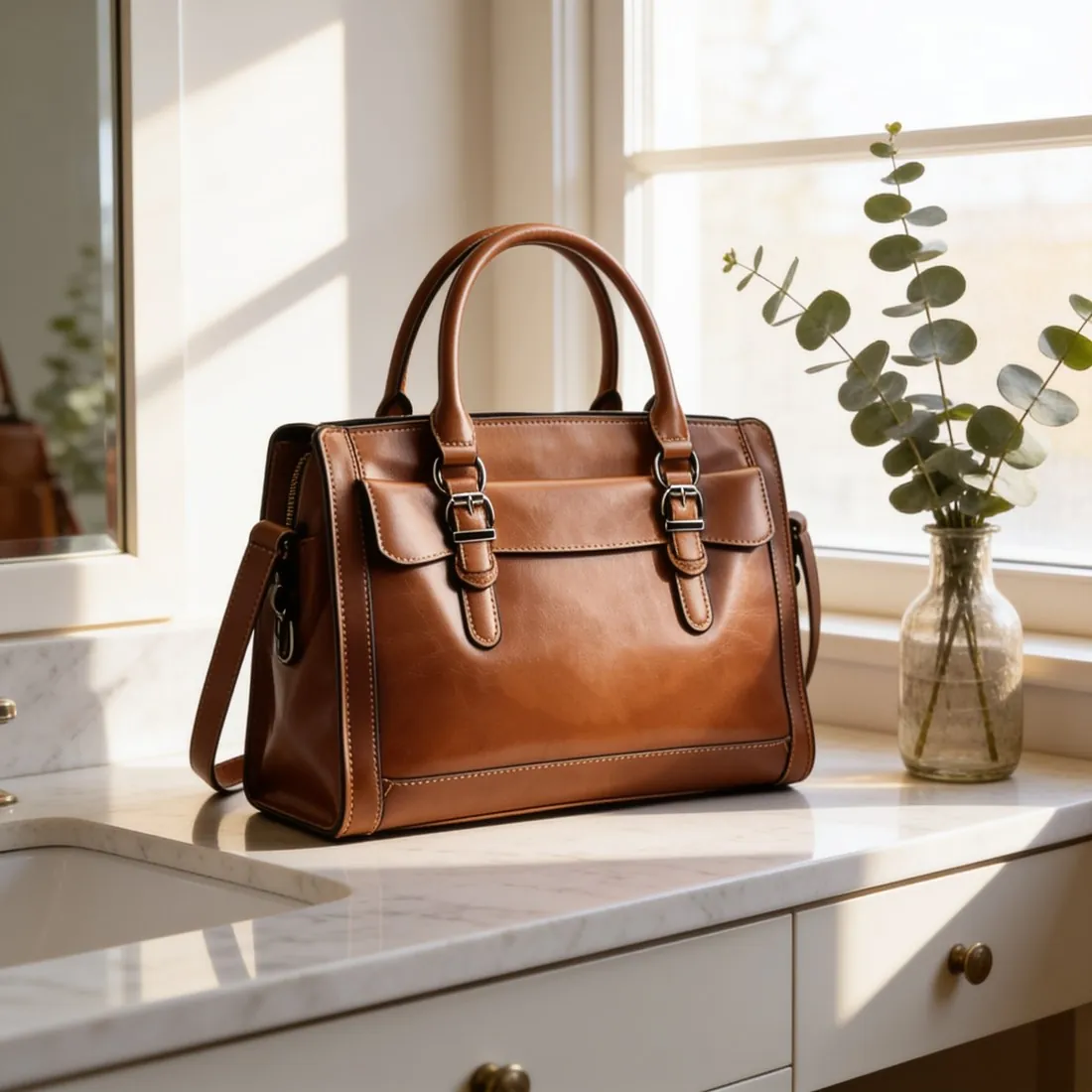
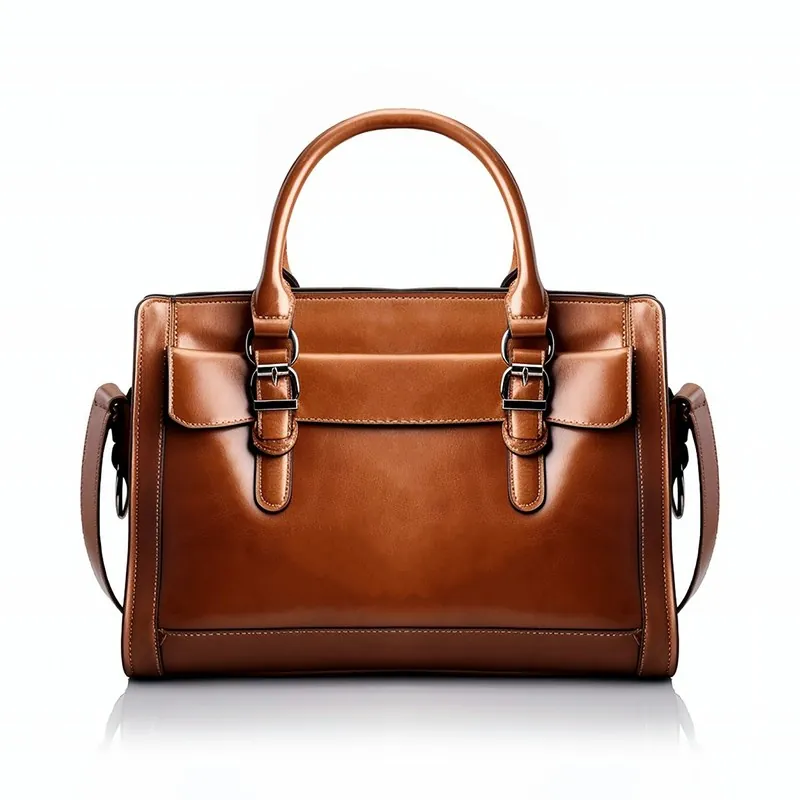
What a small piece needs from its scene.
- 1
Scale against the props
Beside a ring, a coffee cup is enormous and a single petal is the right size. Props that dwarf the piece turn it into a detail of someone else's picture. Ask in the brief for the piece large in the frame, on a small surface, with one or two objects no bigger than itself, and discard variants in which it has shrunk into the scene.
- 2
Stone count, setting and chain
The piece is briefed to stay as photographed: the number of stones, the prongs or the bezel that hold them, the pattern of the chain, the hooks or posts of earrings. These are also the smallest things in the image. Count the stones and compare the links with the source on every variant, and see that earrings are still a matching pair.
- 3
Reflections in metal and stone
Polished gold and silver take on the colours of the scene around them, and so does a faceted stone. A green cloth can tint a silver band; a dark surface can make a pale stone look deeper. Name the metal colour in the brief, ask for soft diffuse light, and compare the metal and stone colours in the result with the piece itself.
The jewelry photo and the brief for a small scene.
- Photograph the piece alone on a plain matt surface, sharp and near, in the position the scene should show: a ring upright or lying, a necklace in an open curve.
- Keep the flash off and step aside until neither phone nor hand shows in the metal, since the piece is briefed to come through as the photo has it.
- In the brief, name one surface, one or two small props, the direction of the light and the mood, and state that the piece fills much of the frame and nothing lies across it.
AI product scenes for jewelry, answered.
Why does the piece come out too small in the scene?
A brief that describes a room or a whole table invites a wide view, and jewelry is small beside almost anything. Describe a close view instead: a palm-sized dish, the corner of a stone slab, a fold of fabric, and say that the piece is the largest thing in the image. A square or portrait format leaves less empty space round a ring than a landscape one.
Which surfaces suit gold, silver and coloured stones?
The brief decides the surface, so any can be named: stone, linen, velvet, wood, ceramic, sand. As a rule of contrast, pale metal reads more clearly on a darker or warmer ground and yellow gold on a cool or neutral one, while a patterned or glossy surface competes with fine detail. Order several variants of the same brief and compare how the metal reads.
Can the scene include a jewelry box or gift wrapping?
It can be described in the brief as a prop. It is drawn for the scene from the description, so it is a generic box, not a copy of the seller's own packaging. Ask for it to stand open behind or beside the piece, so the ring or the pendant stays wholly visible. A brief that asks for an imitation of a brand's logo on the box is refused with the reason shown.
How much does it cost?
5 credits per image, plus one credit for 4K. The cost is shown before you generate, and if a job fails the credits are returned. The 20 free credits at sign-up cover 4 images with this tool.
Your next collection, shot this week.
20 credits at sign-up, no card required. Images made with free credits carry a watermark.