A scene for a bag, written in a brief.
A bag photographed on a kitchen table says little about where it is carried. Canvas starts from that photo and a written brief, builds the described scene around the bag, a café table, a stone step, a hallway bench, and is briefed to keep the bag as photographed.
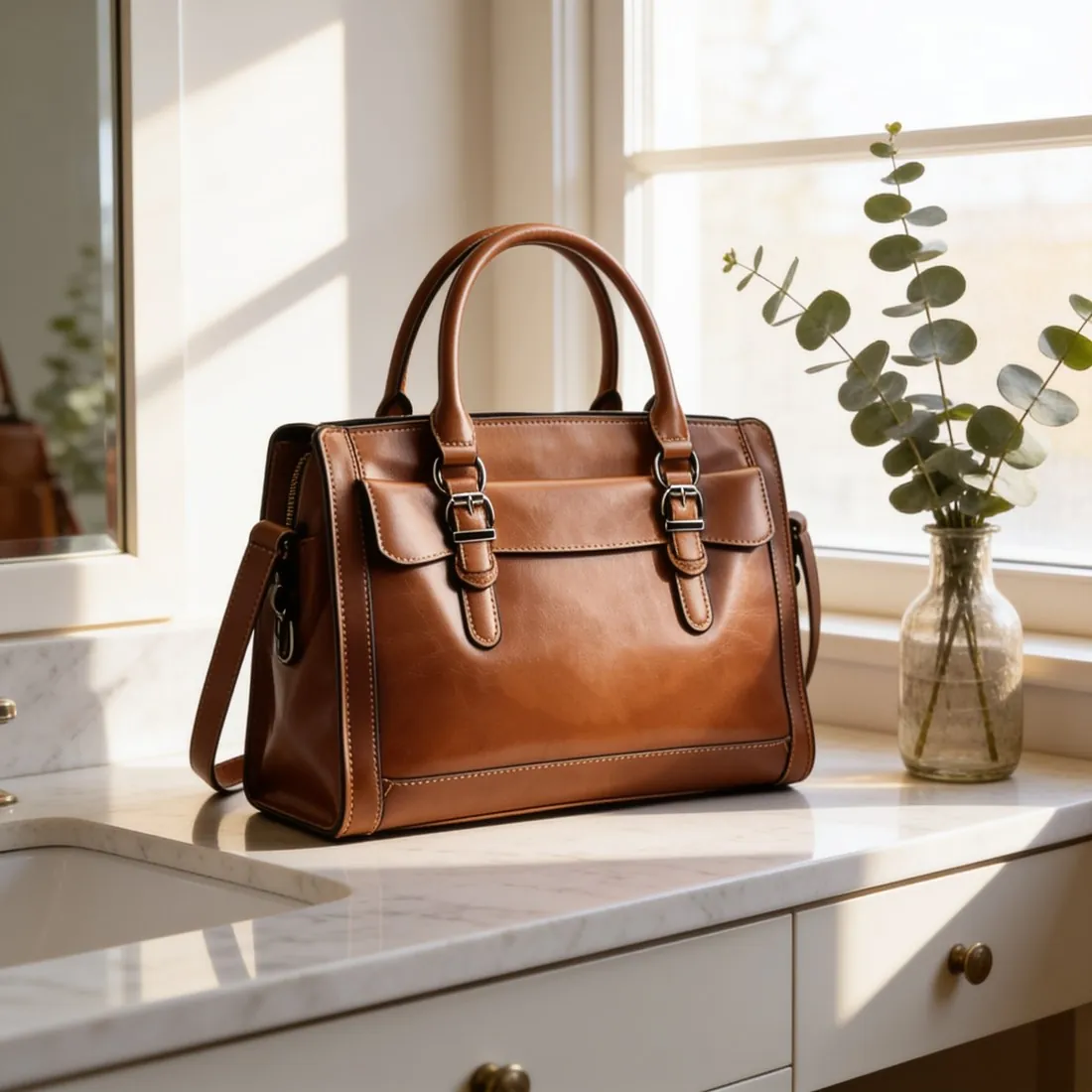
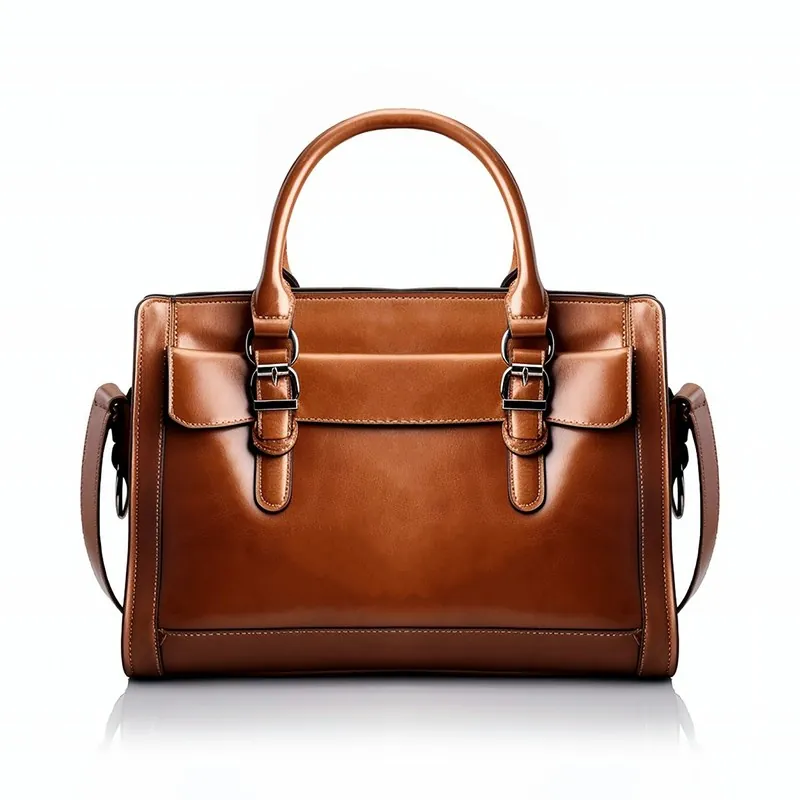
What the scene must leave to the bag.
- 1
Shape, handles and base
A structured bag has a fixed outline: the width of the gusset, the curve of the top handle, the drop of the strap, the feet under the base. The bag is briefed to come through as photographed. Compare the result with the source, since a slouchy tote and a boxy satchel should each keep their own stance.
- 2
Hardware and the logo plate
Buckles, zip pulls, rings, studs and a metal logo plate are small, bright and easy to alter. Read the lettering on the plate letter by letter and count the rings and the feet. Soft, diffuse light in the brief is kinder to polished metal than a hard spotlight, which lays glare over the plate.
- 3
Props beside the bag, not over it
A scarf, sunglasses, a coffee cup or a book gives a scene its story, and each is a risk if it lies across the flap or hides the clasp. Say in the brief that props stand beside or behind the bag and that its whole front stays visible. Order several variants and discard any in which something overlaps the bag.
The bag photo and the brief to start from.
- Stuff the bag so it holds its shape, stand it upright on a plain surface and photograph the front straight on, with handles and strap fully inside the frame.
- Turn the logo plate and the clasp towards the camera and avoid flash, which leaves a white glare on metal and on glossy or patent leather.
- In the brief, name the surface, the props, the direction and warmth of the light and the mood, for example a stone bench in late afternoon sun with nothing covering the bag.
AI product scenes for bags, answered.
Can the bag be shown carried by a person in the scene?
Canvas builds a scene with the product only or with people, who are always fictional adults. For a bag carried by a studio model in a chosen pose, virtual try-on is the more direct tool: there a bag is carried, not worn, and the model, the pose and the background are chosen instead of described.
How do I get the same scene for a whole bag collection?
Use one brief for every bag and add the same reference image for the setting each time; a reference shows the place, the palette or the kind of light to follow. Each image is still drawn separately, so the surfaces will be alike in character, not identical. Each bag is briefed to come only from its own product photo.
What happens if my brief mentions a designer brand?
A brief that asks for an imitation of a brand's logo is refused with the reason shown, and so is one that names a real person. Describing a style in plain words is fine: quilted leather, a chain strap, a Parisian café table. The bag's own logo plate comes from the seller's photo and is briefed to stay as it is.
How much does it cost?
5 credits per image, plus one credit for 4K. The cost is shown before you generate, and if a job fails the credits are returned. The 20 free credits at sign-up cover 4 images with this tool.
Your next collection, shot this week.
20 credits at sign-up, no card required. Images made with free credits carry a watermark.