From the workbench, each piece alone on white.
A maker finishes a piece at the bench and photographs it there, between tools and offcuts. From a phone photo of that one piece on a plain surface, Herofab makes a packshot: the piece by itself on studio white, evenly lit, briefed to keep the metal, the stones and the marks of the hand.
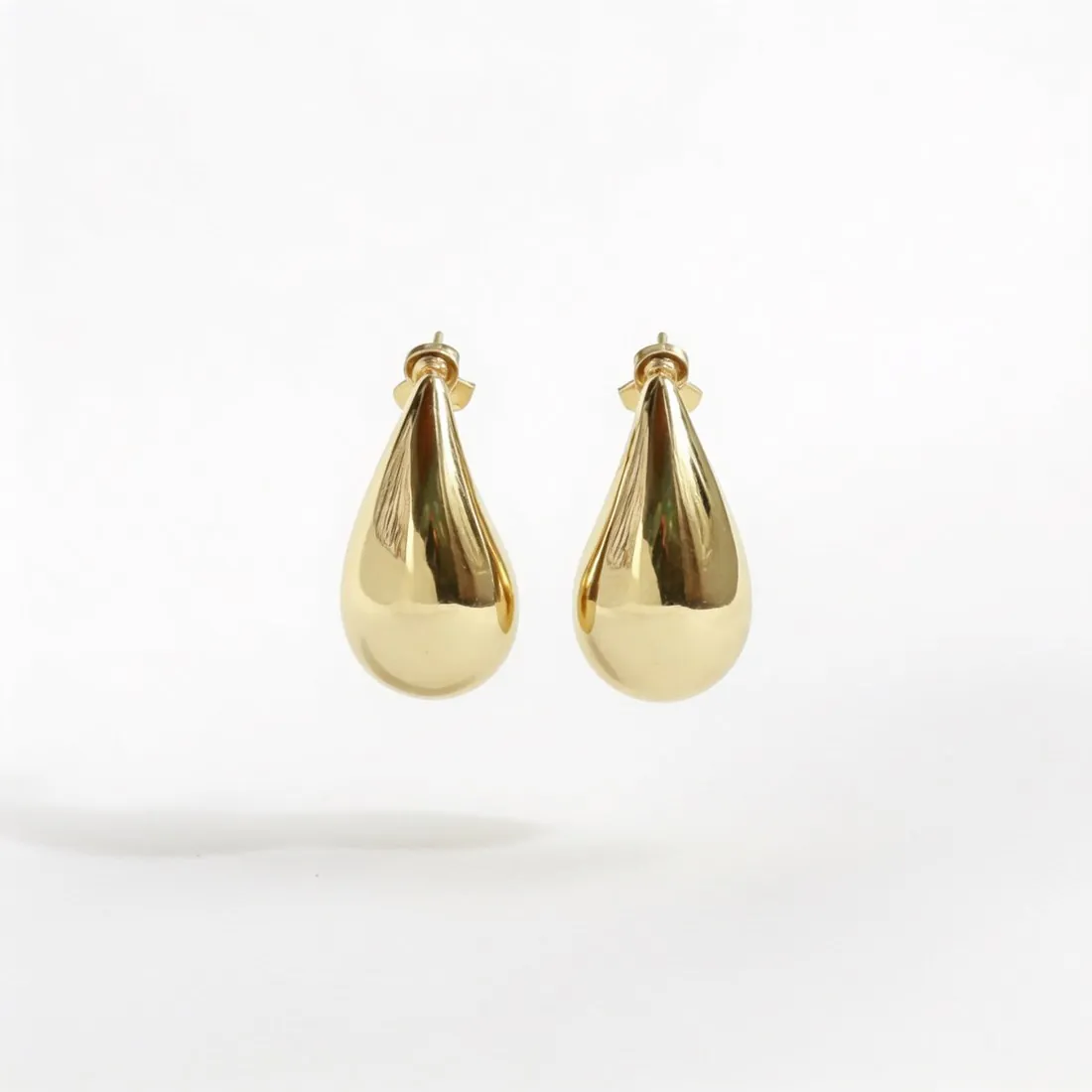
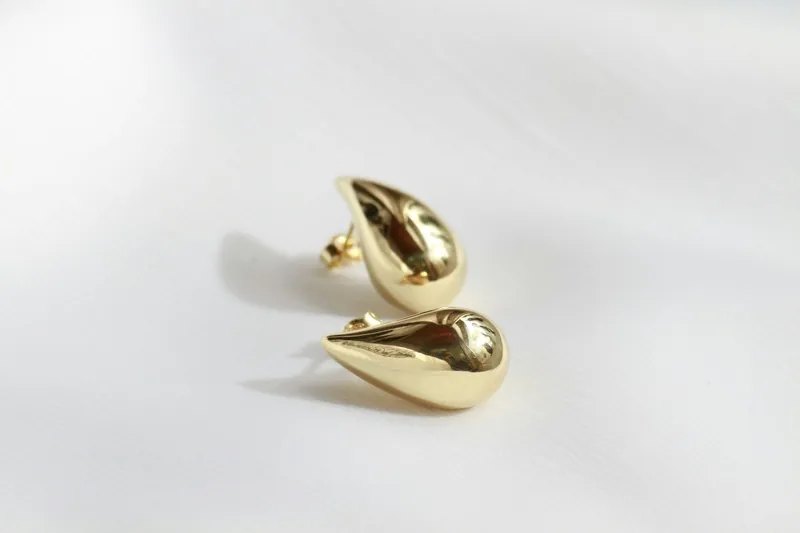
What handmade work asks of a product photo.
- 1
Every piece is its own photo
No two handmade pieces are the same: a stone sits a little off-centre, a hammered band takes the light differently, a wire wrap has an extra turn. Where the buyer receives the piece shown, each piece needs its own source photo and its own image. One photo standing for a batch belongs only on a listing that says the pieces vary.
- 2
Texture is the product
Hammer marks, a brushed finish, darkened recesses and the twist of a wire are what set bench work apart. Herofab is briefed to keep the piece as photographed, so the texture has to be sharp in the source photo. Compare the delivered surface with the piece in daylight and see that nothing has been smoothed or made shinier than it is.
- 3
Stones, clasps and hallmarks
Count the stones and the claws around each one, and follow a wire wrap turn by turn. Look at the clasp, the jump rings and the ear wires, which are small and easily simplified. A hallmark or a maker's stamp is tiny lettering: check that it sits where it does on the piece, and add a detail close-up when it should be readable.
Photographing a finished piece at the bench.
- Clear a corner of the bench, put down a sheet of plain paper, and photograph one finished piece per photo, filling the frame without losing focus.
- Turn off the bench lamp and the flash and work by daylight from a window, since a single hard lamp burns out polished metal and flattens hammered texture.
- Wipe off fingerprints and polishing compound first, close the clasp, and lay a chain in a loose arc with the pendant or the stone turned to the camera.
AI product photos for handmade jewelry, answered.
Can one photo stand for a batch of similar handmade pieces?
The tool works from the photo it is given, so the image shows that piece and no other. For a repeated design in which each piece varies slightly, one image can represent the design if the listing says so. For one-of-a-kind work, where the buyer expects the exact piece, photograph and process each one separately.
Will a hammered or oxidised finish come out looking polished?
It is briefed not to change: the white studio background replaces the bench, and the piece is meant to stay as photographed, with even light around it. Check it all the same. Free fixes are part of every plan each month: if an area of the delivered surface looks smoother than the piece, mark that area and describe what is wrong.
How is a handmade piece shown worn, not only on white?
With virtual try-on, from the same kind of photo. Jewelry is one of its product categories; the piece is worn by a synthetic studio model and framed close up. The worn image gives an impression of scale next to the packshot, while the measurements stay in the listing text. Compare the worn piece with the real one before publishing.
How much does it cost?
4 credits per image, plus one credit for 4K. The cost is shown before you generate, and if a job fails the credits are returned. The 20 free credits at sign-up cover 5 images with this tool.
Your next collection, shot this week.
20 credits at sign-up, no card required. Images made with free credits carry a watermark.