1. Accessories outnumber clothing
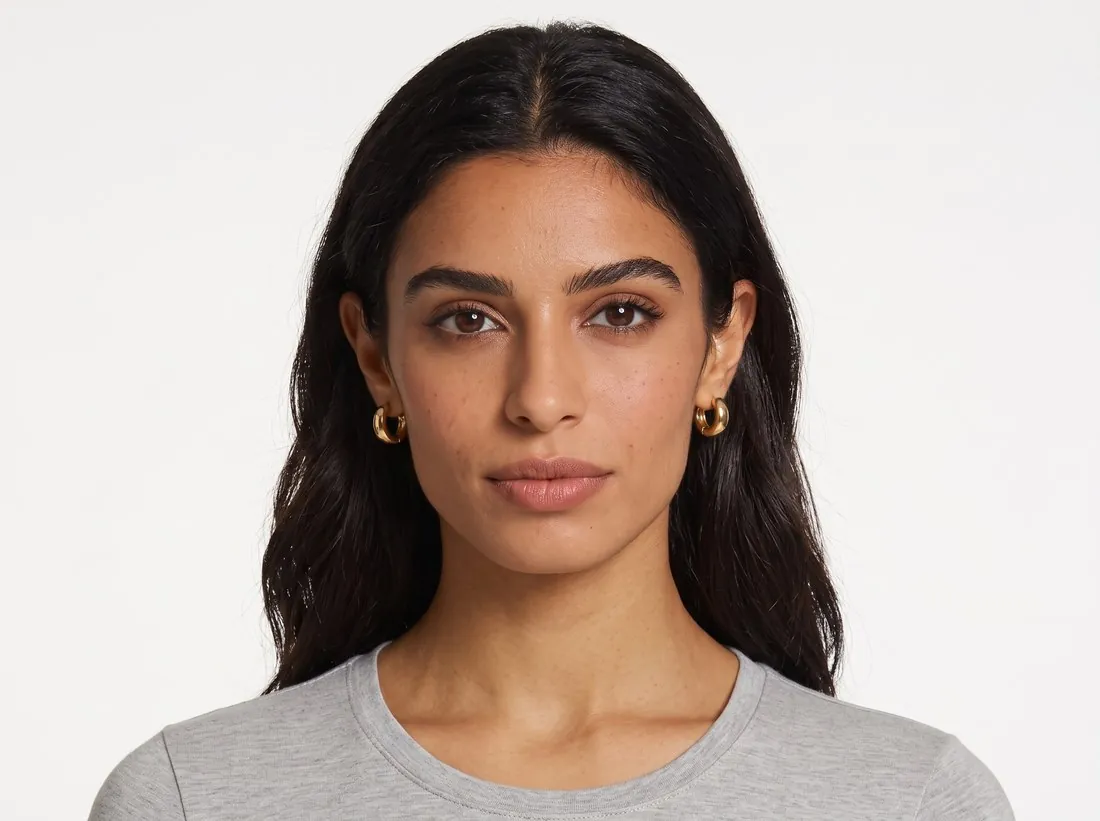
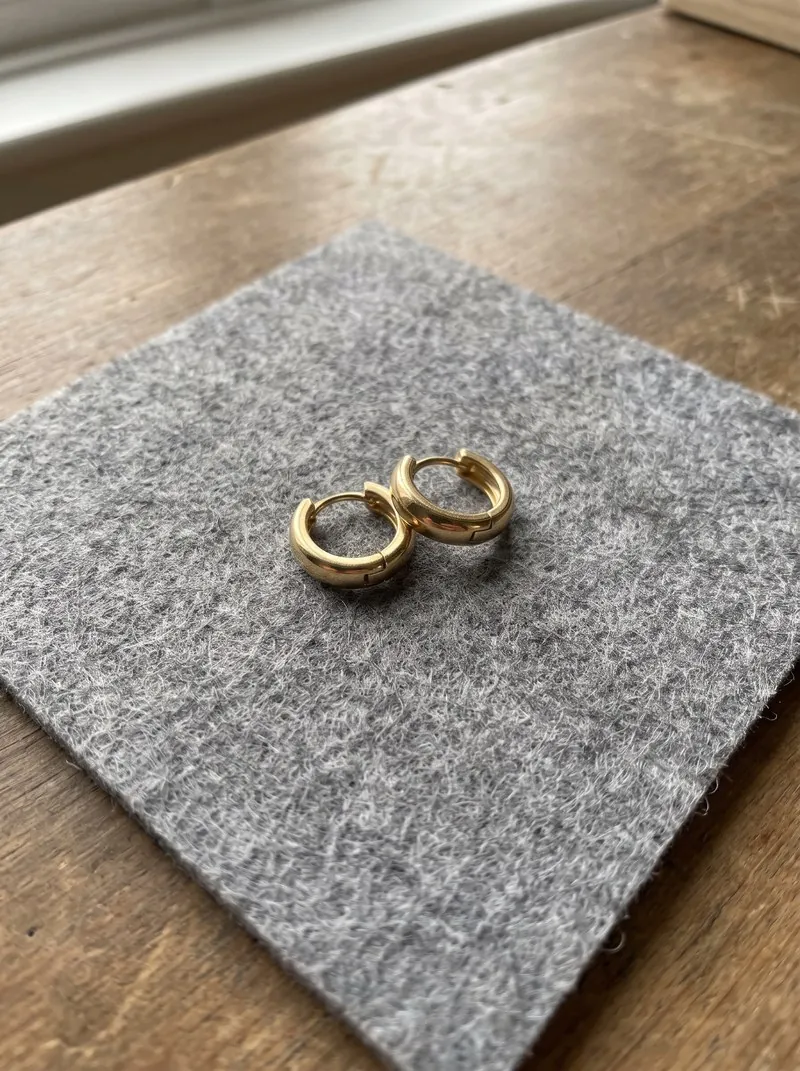
Of the 294 virtual try-on jobs in the sample, 149 (50.7%) were for jewelry or eyewear: jewelry 97 (33.0%) and eyewear 52 (17.7%). Tops followed with 84 jobs (28.6%), two-piece sets with 27 (9.2%), dresses and other one-pieces with 16 (5.4%) and trousers and other bottoms with 11 (3.7%).
The product type is a required setting in virtual try-on, so the table covers all 294 jobs, not only those where a seller chose to answer.
| Product type | Try-on jobs | Share of the 294 |
|---|---|---|
| Jewelry | 97 | 33.0% |
| Tops | 84 | 28.6% |
| Eyewear | 52 | 17.7% |
| Two-piece sets | 27 | 9.2% |
| Dresses and other one-pieces | 16 | 5.4% |
| Trousers and other bottoms | 11 | 3.7% |
| Bags | 4 | 1.4% |
| Footwear | 3 | 1.0% |
Which jewelry and eyewear pieces
Among jobs that named the piece, necklaces were the most requested jewelry with 40 jobs, ahead of earrings (18), jewelry sets (9), bracelets (6) and rings (3). Optical frames outnumbered sunglasses, 24 jobs to 16.
| Piece | Group | Jobs |
|---|---|---|
| Necklace | Jewelry | 40 |
| Earrings | Jewelry | 18 |
| Jewelry set | Jewelry | 9 |
| Bracelet | Jewelry | 6 |
| Ring | Jewelry | 3 |
| Eyeglasses (optical frames) | Eyewear | 24 |
| Sunglasses | Eyewear | 16 |
2. Studio white leads the backgrounds
Of the 304 jobs that set a background, 208 (68.4%) used studio white. With studio grey (14 jobs), 73.0% asked for a plain studio backdrop. Lifestyle, outdoor, city street and garden scenes together came to 49 jobs, 16.1%.
Studio white is the default background in virtual try-on, so its share combines sellers who chose white with sellers who kept the default. Either way, most of the images requested were set on white, the background Amazon requires for a main image.
| Background | Jobs | Share of the 304 |
|---|---|---|
| Studio white | 208 | 68.4% |
| Lifestyle scene | 21 | 6.9% |
| Original background kept | 17 | 5.6% |
| Studio grey | 14 | 4.6% |
| Outdoor | 11 | 3.6% |
| City street | 10 | 3.3% |
| Garden | 7 | 2.3% |
| Custom scene | 6 | 2.0% |
| Other | 10 | 3.3% |
3. Portrait formats over square
Of the 469 jobs that set an output format, 244 (52.0%) asked for 3:4 and 83 (17.7%) for 4:5. Square 1:1 came to 63 jobs (13.4%) and vertical 9:16 to 27 (5.8%). The three upright formats together made up 75.5%; 44 jobs (9.4%) kept the ratio of the original photo.
3:4 is the default format in most Herofab tools, so its share combines sellers who chose it with sellers who kept the default.
| Format | Jobs | Share of the 469 |
|---|---|---|
| 3:4 portrait | 244 | 52.0% |
| 4:5 portrait | 83 | 17.7% |
| 1:1 square | 63 | 13.4% |
| Original ratio kept | 44 | 9.4% |
| 9:16 vertical | 27 | 5.8% |
| 16:9 landscape | 6 | 1.3% |
| Other | 2 | 0.4% |
4. The front view, on a standing model
Of the 392 jobs that set a view, 364 (92.9%) asked for the front only. The back alone accounted for 19 jobs (4.8%), and the front and back together for 9 (2.3%).
Model poses follow the same pattern. Of the 298 jobs that set a pose, 259 (86.9%) used a standing pose facing the camera; leaning came next with 10 jobs (3.4%), and every other pose had fewer. The front view and the standing front pose are both defaults.
| View | Jobs | Share of the 392 |
|---|---|---|
| Front only | 364 | 92.9% |
| Back only | 19 | 4.8% |
| Front and back | 9 | 2.3% |
Model pose
Poses requested from fewer than three accounts are grouped as other.
| Pose | Jobs | Share of the 298 |
|---|---|---|
| Standing, facing the camera | 259 | 86.9% |
| Leaning | 10 | 3.4% |
| Arms crossed | 5 | 1.7% |
| Standing, three-quarter turn | 5 | 1.7% |
| Walking | 5 | 1.7% |
| Hands in pockets | 4 | 1.3% |
| Hands on hips | 4 | 1.3% |
| Other | 6 | 2.0% |
5. What this means for a product page
Accessories lead the demand for on-model images. The size of a necklace, an earring or a pair of frames is hard to judge from a packshot alone, and an image on a person shows it at a glance.
A plain studio image remains the base of a catalogue. Scene images add context next to the white main image; they do not replace it where a marketplace asks for white.
Upright formats fill more of a phone screen than square ones in a single-column feed. A 3:4 or 4:5 crop is worth planning at the shoot rather than cutting later from a square.
Back views are rare in the requests. For garments with back details, closures or prints, a back view answers questions that a front view cannot.
6. How this was counted
The sample is every image job requested by seller accounts on Herofab between 5 October and 22 November 2026: 515 jobs from 222 accounts. Herofab's internal accounts are excluded.
Each figure is a count of requests, read from the settings of each job. No images were opened or reviewed for this report, and no account can be identified from it: any value requested from fewer than three accounts is grouped as other.
Each table counts only the jobs where that setting applies, so the totals differ: the product type is set on all 294 virtual try-on jobs, a background on 304 jobs, an output format on 469, a view on 392 and a pose on 298.
7. Limits
Seven weeks and 222 accounts describe the sellers who used Herofab in late 2026, not the whole market. Herofab presents itself first to jewelry and eyewear sellers, which raises the share of accessories in this sample.
Studio white, 3:4, the front view and the standing front pose are defaults. Their shares combine deliberate choices with settings that were left unchanged.
Small groups say little. Pieces and poses with only a few jobs are listed as counts, without a conclusion drawn from them.
Checklist
- A white main image for every product, sized for the strictest marketplace in the range.
- On-model images for jewelry and eyewear, where size and fit are hard to read from a packshot.
- Upright 3:4 or 4:5 crops for product pages and mobile feeds.
- A back view for garments with back details, closures or prints.
- Scene images in addition to the white main image, not instead of it.
Updated 23 November 2026
Free to reuse under CC BY 4.0. Credit: Herofab (herofab.app).
ai-product-photo-report-2026.json · ai-product-photo-report-2026.csv