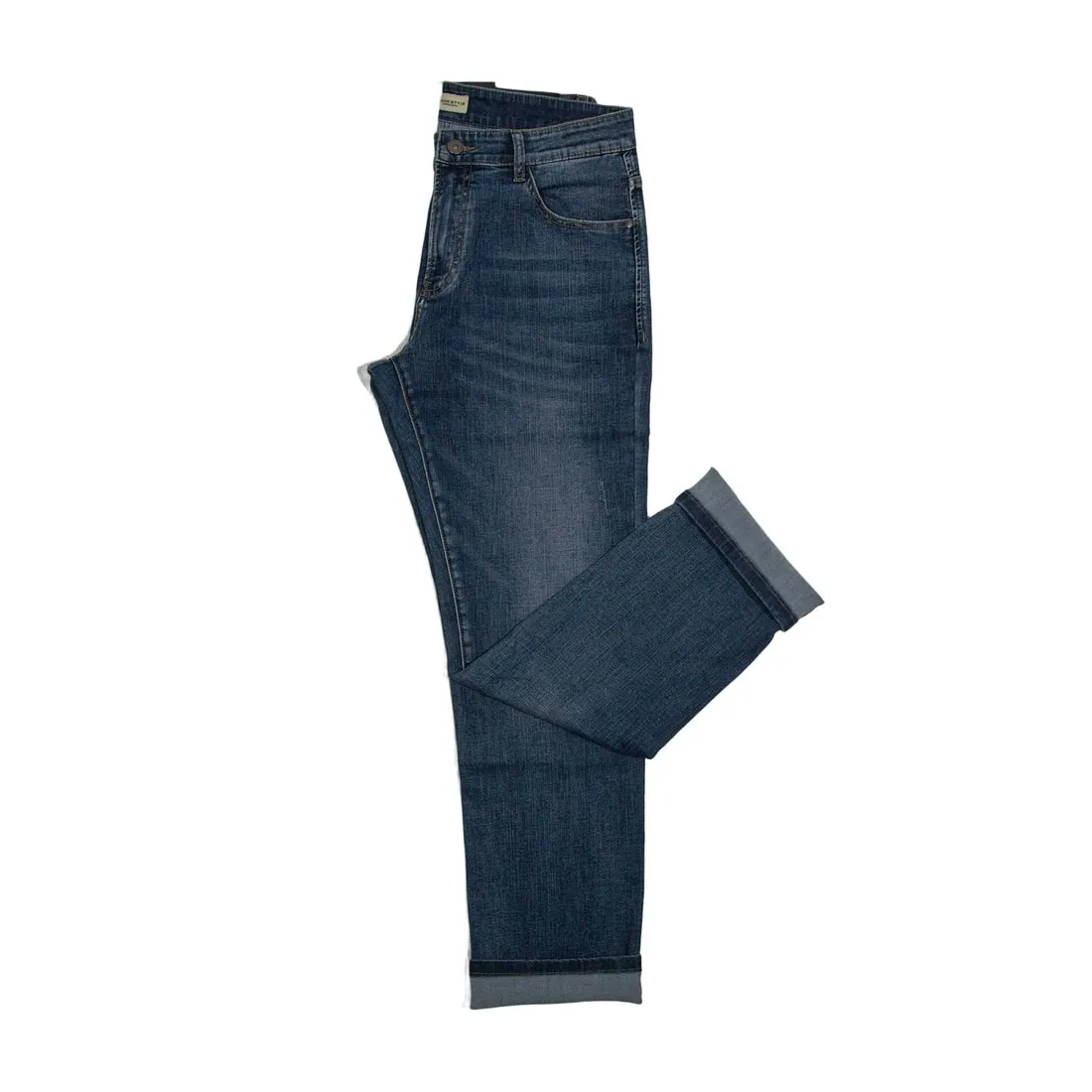
WebP was designed to make pages load faster. It compresses a photograph more tightly than JPEG at similar visible quality, has a lossless mode, and supports a transparent background. Browsers display it without help, which is why many shops and marketplaces convert uploaded images to it for delivery.
Accepting WebP as an upload is a different matter. Some marketplaces list it among their formats and others do not, and one marketplace's own pages can disagree about it. JPEG and PNG remain the formats accepted nearly everywhere, so they are the safe choice for a file that has to go to several channels.
A WebP file saved from a website is often already compressed and reduced in size for display. Using it as the source of a new product image carries that loss forward. The original photo, or the largest JPEG or PNG available, is the better starting point.